
I’ve been using lead-acid batteries in my outdoor equipment for years, but after countless replacements and sluggish cold starts, I decided to try something new. Recently, I swapped out the old lead-acid battery in my zero-turn mower for a lithium iron phosphate (LiFePO4) battery—and the results blew me away.
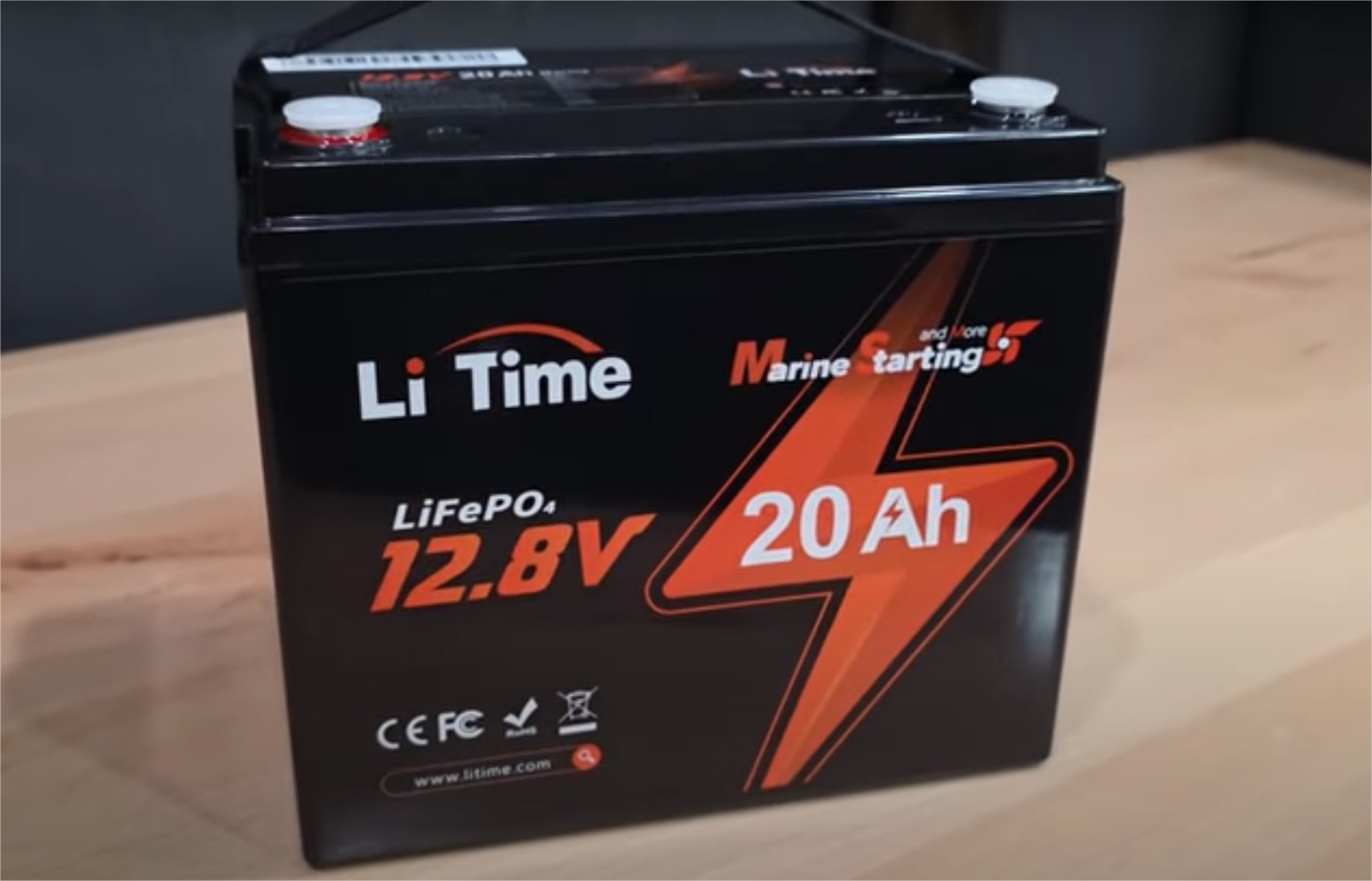
This wasn’t just about testing a new product; it was about seeing first hand how modern lithium batteries compare to traditional lead-acid ones in performance, weight, and overall value. In this post, I’ll walk you through my experience, the installation process, and why I believe lithium is the future for small engines, motorcycles, and even tractors.
Why Cranking Amps Matter More Than You Think
When it comes to starting engines, cold cranking amps (CCA) are the real deal-breaker. My old Interstate lead-acid battery had just 300 CCA, which often meant weak starts, especially in cooler weather. The lithium battery I installed, rated at 12.8V and 20Ah, delivered:
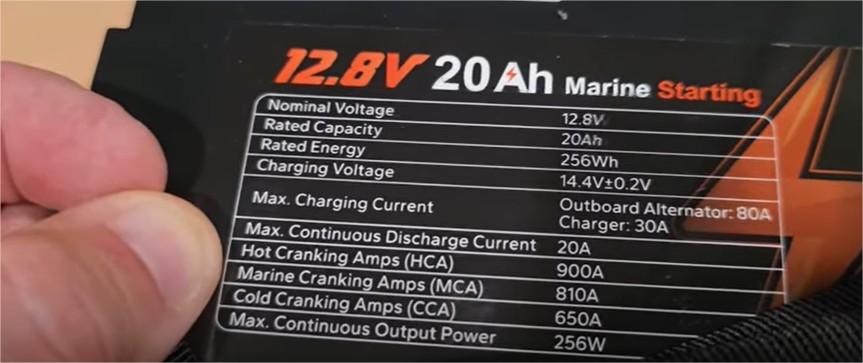
- Cold Cranking Amps (CCA): 650
- Hot Cranking Amps (HCA): 900
- Marine Cranking Amps (MCA): 810
That’s more than double the cranking power of my old battery. The difference was immediate—the mower fired up with confidence, no hesitation at all. This experience taught me that when choosing a battery for starting applications, cranking amps should be the top priority, not just capacity.
A Noticeable Drop in Weight
Another big win for lithium is the weight reduction. My new battery weighs only 9.8 lbs compared to the 16 lbs lead-acid unit it replaced. While this doesn’t drastically change how a zero-turn mower handles, the benefits in other vehicles are huge.
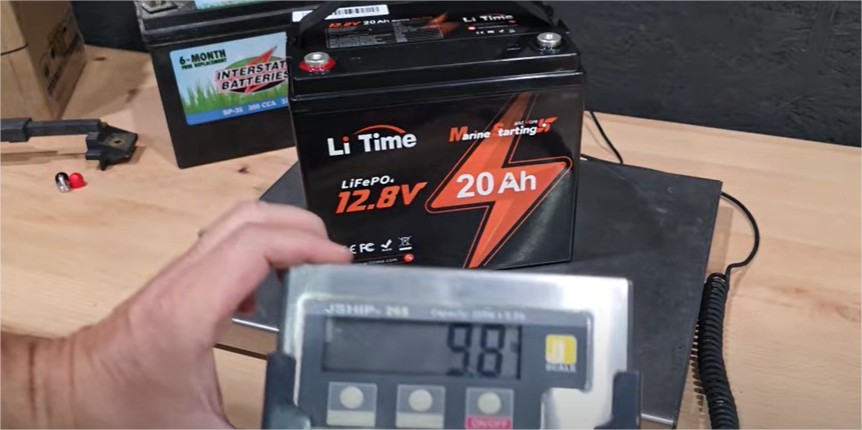
For example, motorcycles like Harley-Davidsons or performance vehicles benefit greatly from lower battery weight. A lighter battery improves balance, handling, and in some cases even fuel efficiency. It’s an upgrade that not only powers the engine but also enhances the overall ride.
Longevity and Warranty You Can Count On
One of the most frustrating things about lead-acid batteries is how often they need replacement. In my experience, they rarely last more than a couple of years before losing efficiency. Lithium iron phosphate (LFP) batteries, on the other hand, are designed for the long haul.
Here’s what stood out to me:
- Longer Lifespan: Lithium batteries can last several times longer than lead-acid.
- More Charge Cycles: They can handle thousands of charge-discharge cycles without significant degradation.
- Warranty Advantage: The lithium battery I used came with a 5-year warranty, something I’ve never seen with a standard lead-acid battery.
This kind of durability not only reduces maintenance but also makes the higher upfront cost worth it in the long run.
The Installation Process Was Simple
One of my biggest concerns was whether the installation would be complicated. To my surprise, swapping in the lithium battery was just as straightforward as replacing a traditional one. I didn’t need any special tools or extra equipment.
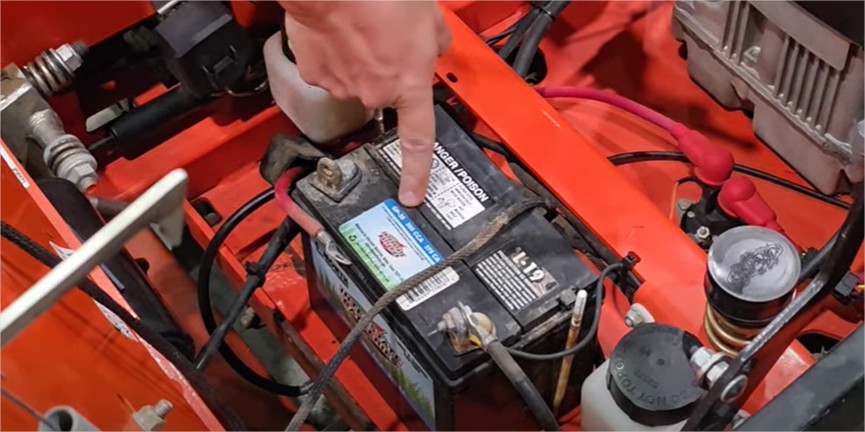
The steps were simple:
- Removed the old lead-acid battery by disconnecting the zip ties and bolts.
- Checked the battery class (SP35) to ensure the new unit fit correctly.
- Installed the lithium battery in the same slot without modifications.
- Secured the connections and tested the start-up.
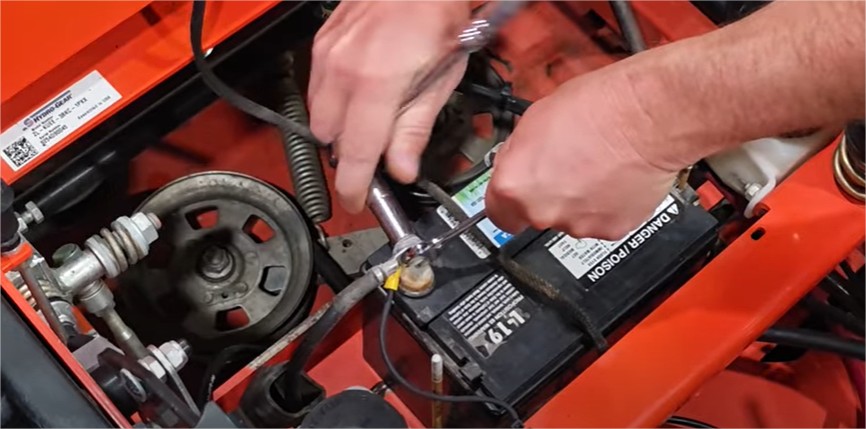
The mower started instantly, proving that the lithium battery was a perfect match. This ease of installation reassured me that anyone can make the switch without headaches.
Compatibility Across Vehicles
What really impressed me was the versatility of lithium batteries. I’ve seen them work not only in my mower but also in Harley-Davidson motorcycles and even tractors. The benefits—higher cranking amps, reduced weight, and longer lifespan—carry over seamlessly to different types of vehicles.
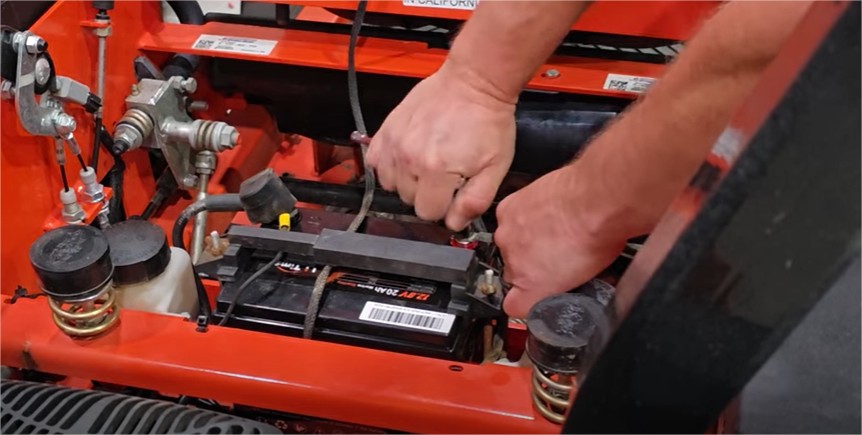
This versatility makes lithium a smart investment if you own multiple machines that rely on reliable starting power. Instead of juggling different battery types, you can standardize with lithium and enjoy consistent performance across your equipment.
Key Benefits of Lithium Batteries Over Lead-Acid
To sum up my experience, here are the biggest takeaways:
- ⚡ Higher Cranking Amps: Stronger, more reliable starts in all weather conditions.
- ⚖ Lighter Weight: Easier handling and better performance in motorcycles and small vehicles.
- 🔋 Longer Lifespan: Thousands of cycles with minimal degradation.
- 🛠 Easy Installation: Fits directly into existing battery slots.
- ✅ Warranty Coverage: Longer protection than traditional batteries.
- 🔄 Versatility: Suitable for mowers, bikes, tractors, and more.
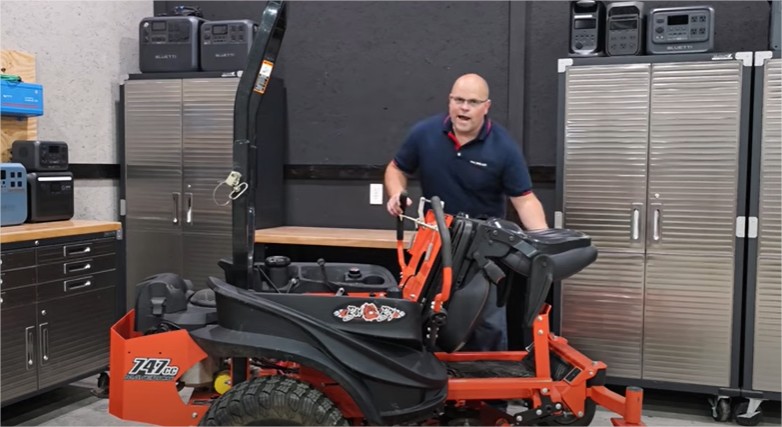
These advantages make it clear that lithium technology isn’t just hype—it’s a real upgrade that solves the common frustrations we’ve all had with lead-acid batteries.
My Final Thoughts
After completing this upgrade, I can confidently say I’ll never go back to lead-acid batteries. The lithium battery didn’t just perform better—it felt like a complete modernization of my equipment. From instant starts to reduced maintenance, it offered benefits that far outweigh the initial cost.
For anyone on the fence about making the switch, my advice is simple: go for it. Whether you’re upgrading a mower, motorcycle, or tractor, lithium batteries provide reliability, efficiency, and peace of mind that lead-acid just can’t match.
If you’re tired of sluggish starts and frequent replacements, this is the upgrade your machines deserve.