
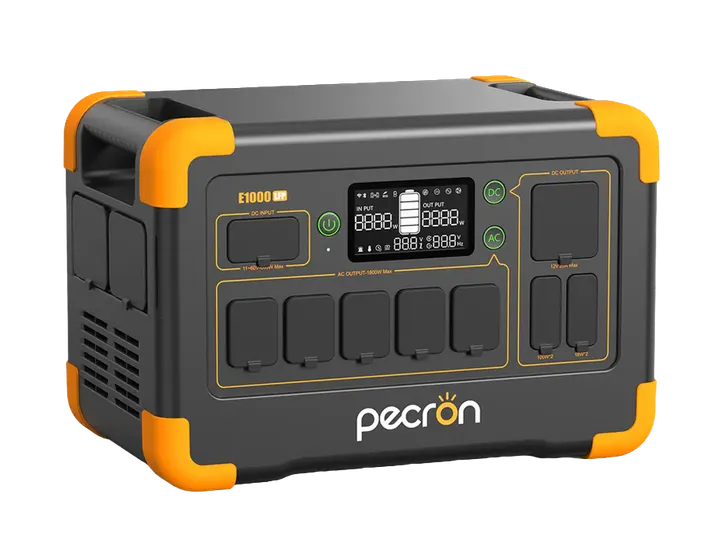
Pecron E1000 LFP
4.9 / 10 · Mid Range
Pecron E1000 LFP
The Pekron E1000 LFP looks competitive on paper, but repeated overheating, idle drain, and reliability concerns make it hard to recommend.
This power station offers a useful port selection, solid usable capacity, and fast charging on paper, but the review testing found thermal issues serious enough to overshadow those strengths. If you need a unit for dependable backup or heavier continuous use, the biggest concern is that it may shut down or run hot when pushed.
Watch Before You Buy
See how it actually performs

Best For
This is best for users who want reliable performance without jumping into ultra expensive systems.
Watch For
Limited expansion if your power needs grow significantly
Quick Decision
The fast answer most buyers actually want
This section is built to help you decide quickly whether this product fits your needs before you dig through the rest of the review.
Standout Feature
Good real-world usable capacity relative to its rated battery size.
Biggest Tradeoff
Thermal management appears to be the main weakness, with overheating during testing and fan behavior that raises reliability concerns.
Value Summary
This may only make sense for lighter, occasional use where heat buildup and standby inefficiency are less likely to matter. For buyers who want dependable emergency backup, sustained high output, or confidence under stress, the tradeoffs look too serious.
Use Case Fit
Where this product fits best in real life
This section helps you quickly map the product to real scenarios so you can tell whether it fits your situation or whether you should be looking at something else.
Light-duty home backup for small devices
Situational FitIt may be usable for lighter loads like phones, laptops, and small electronics, but the standby drain and reported charge-state behavior make it less reassuring for true emergency readiness.
Higher-wattage appliances or sustained AC use
Situational FitThe inverter rating looks strong on paper, but the review found shutdowns and overheating during continuous discharge testing, so buyers planning to lean on that output should be cautious.
Portable solar and weekend off-grid use
Good FitThe port mix and solar input support give it some practical flexibility, but this fit depends on using it within moderate limits rather than expecting hard daily cycling or hot-weather performance.
Buying Options
Pecron E1000 LFP
Choose the best buying path based on how you like to shop
Scorecard
How this product stacks up where it actually matters
This scorecard gives a faster read on the categories most buyers care about so you can spot the strengths and tradeoffs without digging through every section first.
Usable Capacity
0.0 / 10
Real-world output was solid for the rated size, with roughly 88% AC efficiency reported in testing.
Thermal Performance
0.0 / 10
This is the main problem area. The unit reportedly overheated during discharge testing and also built up significant heat during fast charging.
Everyday Usability
0.0 / 10
The port layout is practical, but side port covers were frustrating and the fan behavior appears intrusive even when the unit is not actively doing much.
Emergency Readiness
0.0 / 10
Idle drain, fan activity, and the report that it does not stay fully topped off while plugged in all work against confidence as a backup power solution.
Pricing Intelligence
Value depends on whether you can trust it under load
A lower or competitive price does not fix reliability concerns. If a power station runs hot, drains too much at idle, or struggles during continuous use, the long-term value can fall apart even if the upfront cost looks reasonable.
Buying Insight
Do not judge this one by spec sheet value alone
The battery size, inverter rating, and port selection look competitive, but those strengths matter less if the unit struggles under real sustained use.
Buying Insight
It makes more sense only if your demands are modest
If you only need occasional lighter-duty use, the compromises may be easier to tolerate. For heavy or emergency-focused use, the value case is much weaker.
Buying Insight
Consider reliability as part of the real price
A cheaper unit is not the better buy if overheating, cooldown delays, or standby losses create frustration or reduce confidence when you need power most.
Amazon Path
Usually best for speed, easy checkout, and familiar returns.
How I Test
Real-world testing matters more than paper specs
This draft focuses on how a product behaves in practical use, not just how it looks in the spec sheet. Heat, stability, idle drain, and charging behavior matter because those are the issues buyers actually live with.
Test Focus
Usable capacity testing
The unit was discharged to measure how much real energy was available from the rated battery capacity on both AC and DC output.
Test Focus
Continuous load and thermal stress testing
It was run under sustained higher-output conditions in a controlled indoor environment to see whether it could maintain output without overheating or shutting down.
Test Focus
Charging, idle drain, and everyday behavior checks
Testing also looked at fast AC charging heat buildup, fan behavior, standby losses, and practical issues like port covers and general usability.
Technical Details
Key specs that matter early in the buying decision
This section belongs near the top because serious buyers often want to sanity check the core specs before they commit more time.
Battery Capacity
1024Wh
Battery Chemistry
LiFePO4
AC Output
1800W pure sine wave inverter
Solar Input
Up to 600W
What I liked
Good usable capacity in real-world testing
Strong port selection for the size
Fast AC charging on paper
Straightforward front-panel layout
What gave me pause
Overheated during continuous discharge testing
Fast charging also created significant heat buildup
High idle loss with AC inverter on
Fans reportedly run even at full charge with ports off
Questions that matter before and after the click
This section is split intentionally so buyers can either validate the purchase decision or dig deeper into real world ownership questions.
Based on this review, that is hard to say confidently. The main concerns are overheating under load, standby inefficiency, and the note that it may not remain fully topped off even when plugged in.
The inverter rating suggests it can handle meaningful AC loads, but the testing found problems during sustained discharge. Shorter or lighter loads may be less of an issue, but buyers should not assume the paper rating tells the whole story.
For the base unit, the reported solar input looks reasonable. If you expand capacity significantly, that same input may become limiting and make full-day recharging less realistic.
The review measured charging and load noise at 47.3 dB and described it as louder than many competing units. The bigger concern is that the fans reportedly kept running even when the unit was full and the ports were off.
Not especially efficient based on this test. With the inverter on and AC ports activated but no active load, it reportedly lost 40% of its battery over 24 hours.
Not completely. While the unit looked rugged at first, one of the bottom bumper feet reportedly came off during careful handling, which raises some questions about long-term durability.
Should you buy the Pecron E1000 LFP?
Based on the review testing, this does not look like an easy recommendation. The battery capacity and port selection are decent, but the overheating behavior, constant fan activity, and poor no-load efficiency are the kinds of problems that can matter most when you need a power station to be dependable.