
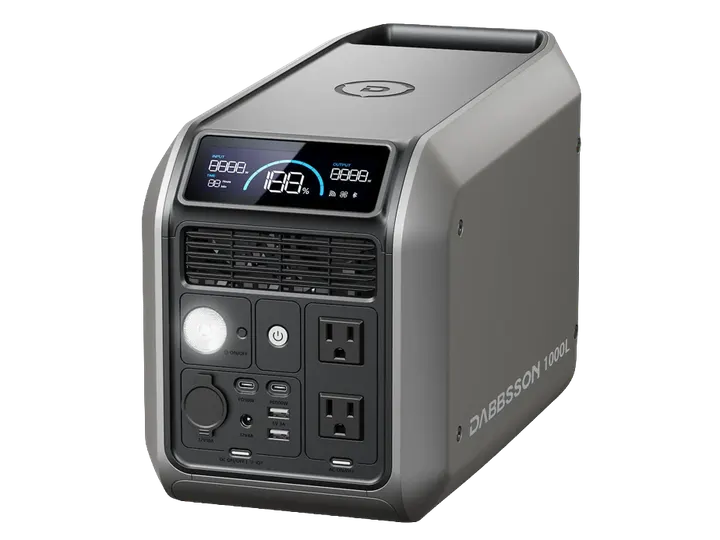
Dabbsson 1000L
4.2 / 10 · Mid Range
Dabbsson 1000L
The Dapsen 1000L looks promising on paper and has a solid hardware foundation, but the current firmware-related issues make it hard to recommend without caution until those problems are clearly resolved.
This portable power station offers a 1200W inverter, 1008Wh battery capacity, a practical port layout, and relatively quiet operation in lighter charging use. The main concern is not the hardware itself, but two meaningful issues found in testing: unreliable solar charging behavior with a tested panel setup and an inaccurate output display during AC use. If those issues are fixed, it could be a more competitive option, but based on this test result, buyers should be careful.
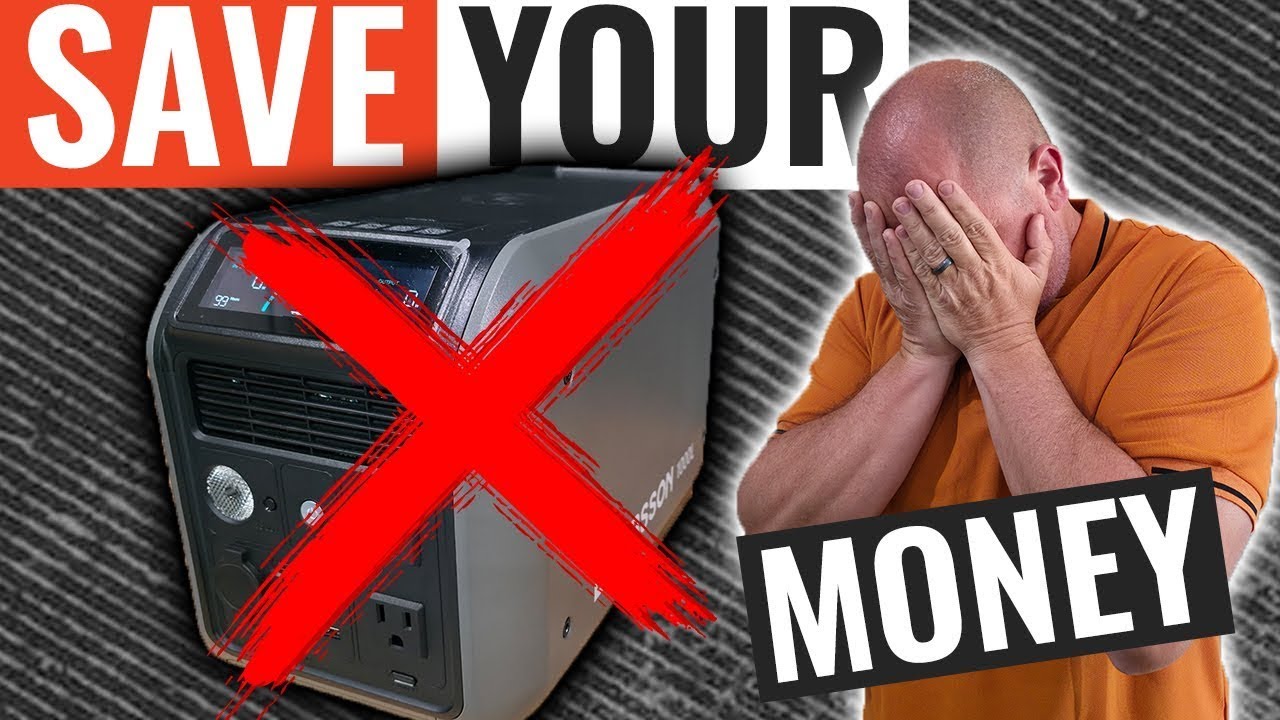
Watch Before You Buy
See how it actually performs
Best For
This is best for users who want reliable performance without jumping into ultra expensive systems.
Watch For
Limited expansion if your power needs grow significantly
Quick Decision
The fast answer most buyers actually want
This section is built to help you decide quickly whether this product fits your needs before you dig through the rest of the review.
Standout Feature
Good portability paired with a 1200W continuous inverter and a clean, practical output layout.
Biggest Tradeoff
The current unit showed two major usability issues: inconsistent solar charging behavior and inaccurate output readings on the display.
Value Summary
The Dapsen 1000L could make sense for buyers who like the size, port selection, and inverter capacity, but the value really depends on whether the reported firmware issues have been fixed before purchase.
Use Case Fit
Where this product fits best in real life
This section helps you quickly map the product to real scenarios so you can tell whether it fits your situation or whether you should be looking at something else.
Portable backup power for light to moderate home use
Good FitIts inverter size and portable form factor make it suitable for basic backup tasks, but confidence in the unit depends on whether the firmware-related issues have been addressed.
Buyers who prioritize portability and simple output access
Excellent FitThe unit appears easy to move, the port layout is practical, and the screen design is straightforward, which should appeal to users who want a simple all-in-one setup.
Solar-dependent users who need reliable input behavior
Situational FitThis is not the safest pick for solar-first buyers based on the test result, since the reviewed unit had trouble charging properly from a tested solar panel setup.
Buying Options
Dabbsson 1000L
Choose the best buying path based on how you like to shop
Scorecard
How this product stacks up where it actually matters
This scorecard gives a faster read on the categories most buyers care about so you can spot the strengths and tradeoffs without digging through every section first.
Portability and Layout
0.0 / 10
The unit appears easy to move and the output layout is practical for its size class.
Usable AC Efficiency
0.0 / 10
The measured efficiency of about 82.4% is usable, but it is on the lower side compared with newer power stations.
Charging and Input Reliability
0.0 / 10
Solar charging behavior raised a major concern during testing, which hurts confidence for buyers who plan to rely on solar input.
Display and User Feedback
0.0 / 10
The screen layout is easy to read, but inaccurate output readings during testing are a meaningful issue.
Pricing Intelligence
Worth considering only if the current issues are resolved
Price alone should not drive this decision. Even if the specs look competitive, buyers should weigh actual usable capacity, display accuracy, and charging reliability before treating it as a good value.
Buying Insight
Specs are only part of the value story
A 1200W inverter and 1008Wh battery sound solid, but the real value depends on how well the unit performs in actual use, not just on paper.
Buying Insight
Wait for confirmed fixes if buying for solar use
If solar charging matters to you, it makes sense to wait until there is clear confirmation that the charging issue has been resolved.
Buying Insight
Consider firmware maturity as part of the price
Even if the purchase price looks attractive, early firmware issues can reduce real-world value if they affect reliability or trust in the display.
Amazon Path
Usually best for speed, easy checkout, and familiar returns.
How I Test
Real-world testing over spec-sheet promises
This review approach focuses on how a power station actually behaves in use: usable output, charging behavior, display accuracy, noise, and protection features. If a product falls short in real testing, that matters more than what the box claims.
Test Focus
Usable capacity and inverter efficiency testing
The unit was tested to see how much of the stated battery capacity could actually be delivered through the AC inverter, with the result landing around 82.4% efficiency.
Test Focus
Continuous AC load and overload protection checks
The inverter was run at continuous output and also pushed beyond its rating briefly to verify whether the protection system responded properly.
Test Focus
Solar input, display accuracy, and noise observation
Testing included checking whether the unit would accept solar input from a panel within the stated input range, whether the screen reported output accurately, and how noisy the fans were under different charging conditions.
Technical Details
Key specs that matter early in the buying decision
This section belongs near the top because serious buyers often want to sanity check the core specs before they commit more time.
Battery Capacity
1008Wh
Continuous AC Output
1200W
AC Outlets
2
USB-C Ports
2
What I liked
Portable size for a 1200W power station
Practical port layout with useful USB-C options
Screen layout is clear and easy to understand
Relatively quiet in lower charging modes
Overload protection appears to work properly
What gave me pause
Solar charging did not work properly in testing
Display output readings were inaccurate
Measured AC efficiency was on the lower side
Current recommendation depends on future firmware fixes
Questions that matter before and after the click
This section is split intentionally so buyers can either validate the purchase decision or dig deeper into real world ownership questions.
Not without some caution. The hardware seems promising, but the tested unit had two important issues: unreliable solar charging behavior and incorrect output readings on the display.
Based on this test, that is a concern. A 400W panel setup that appeared to be within range did not charge the unit properly, so solar-focused buyers should be careful until that is clearly fixed.
The reviewer suggested the problems may be firmware-related and potentially fixable, but buyers should not assume that a fix is in place unless there is confirmed proof from updated units or follow-up testing.
It was described as very quiet when charging below roughly 400W input, and still moderate rather than loud once charging speed increased.
Not fully on the tested unit. The display reportedly jumped between clearly incorrect wattage readings, so an external wattmeter was needed to verify actual output.
Yes, based on the test, it did shut off after being pushed over its 1200W rating for a short time, which suggests the protection system is functioning.
Should you buy the Dabbsson 1000L?
If Dapsen resolves the solar charging issue and the display inaccuracies through firmware, the 1000L may become a reasonable portable power station with good everyday usability. Until then, this feels more like a wait-and-see product than an easy recommendation.