
In an era where power reliability is more essential than ever, integrating a robust battery backup into your solar infrastructure is more than a smart choice—it’s a necessity. This article explores the hands-on installation and setup of the Bluetti EP800 battery system, seamlessly paired with an existing Infase microinverter solar array. Whether you’re a homeowner or an installer, this real-world guide offers insights into optimizing your energy independence with professional precision.
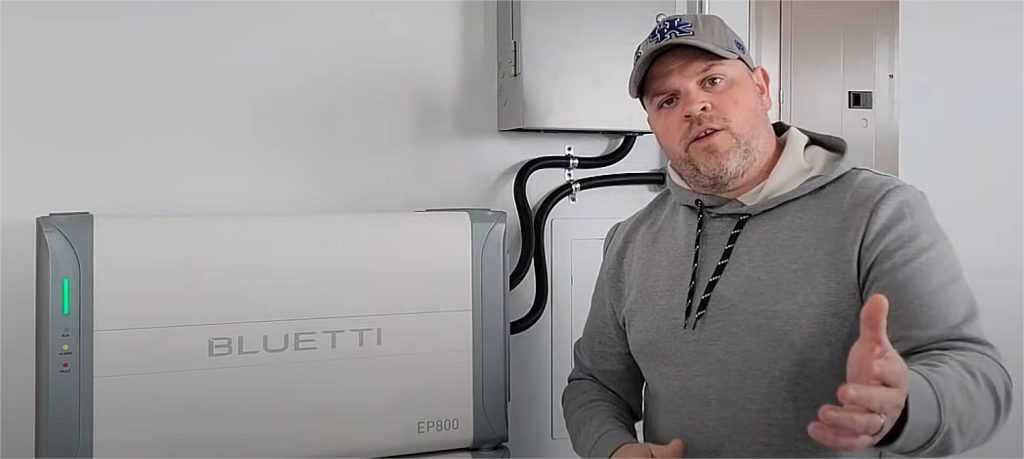
Starting with the Right Hardware
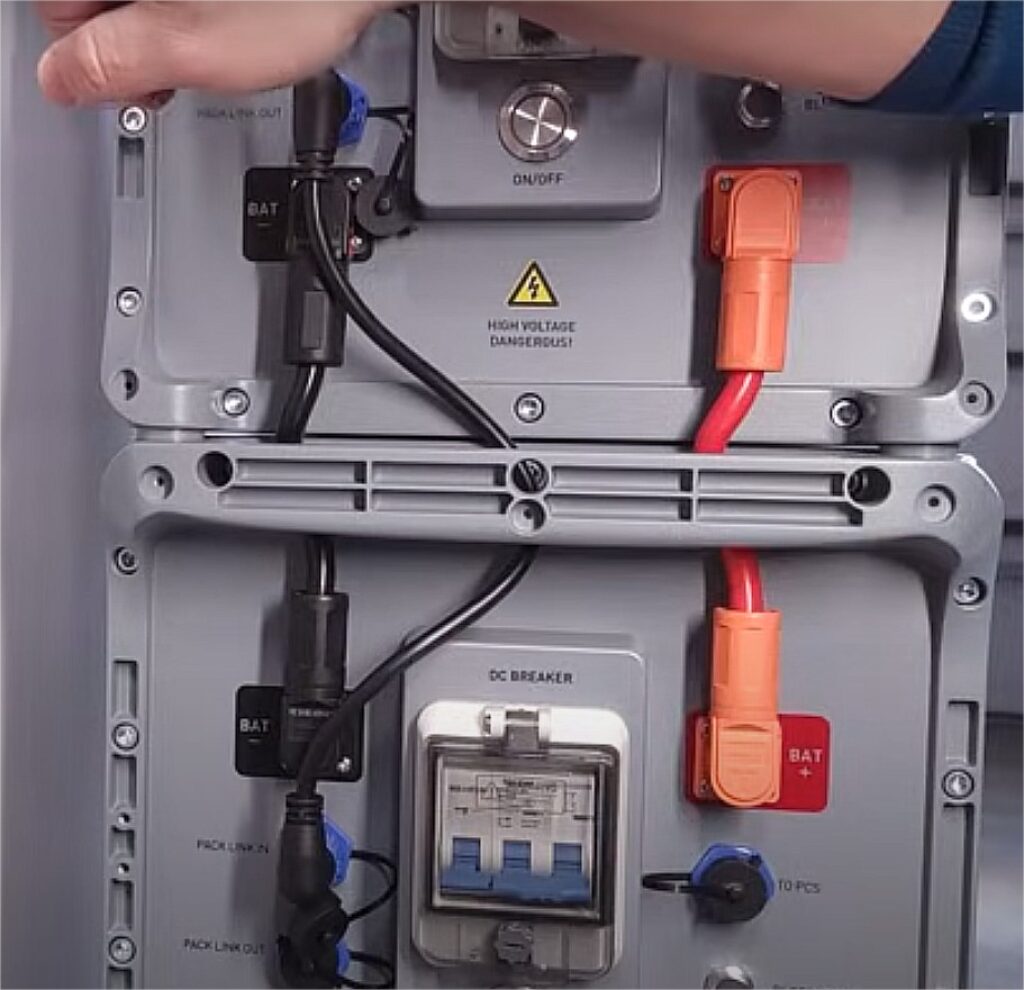
At the heart of this installation lies the Bluetti EP800, powered by three B500 batteries. These were carefully unboxed, inspected, and prepared for integration with the existing solar infrastructure.
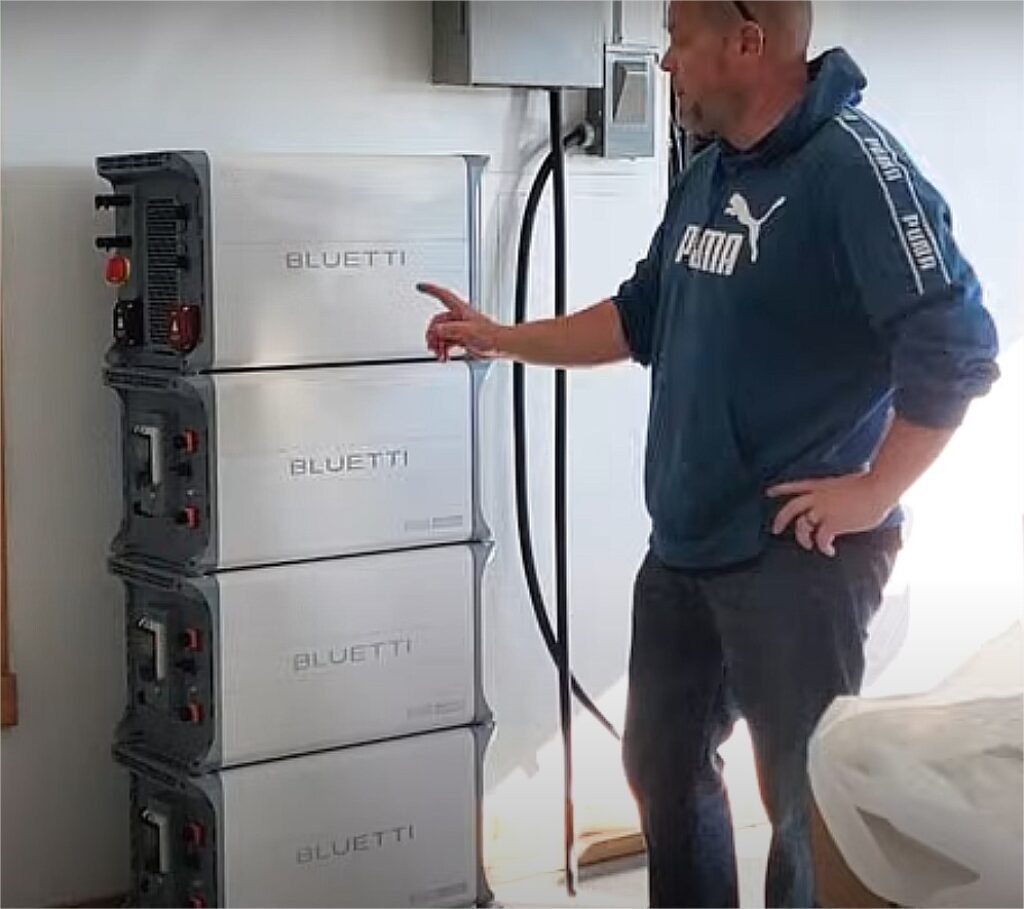
- The EP800 supports both AC and DC coupling, allowing flexibility for grid and solar inputs.
- The creator configures the system primarily as a standby generator, with battery charging from both grid and solar.
- All components, from breakers to transfer switches, were matched meticulously to ensure compatibility and safety.
This strategic choice allows homeowners to retain their existing solar setup while supercharging their backup capabilities.
Essential Circuit Management with Transfer Switches
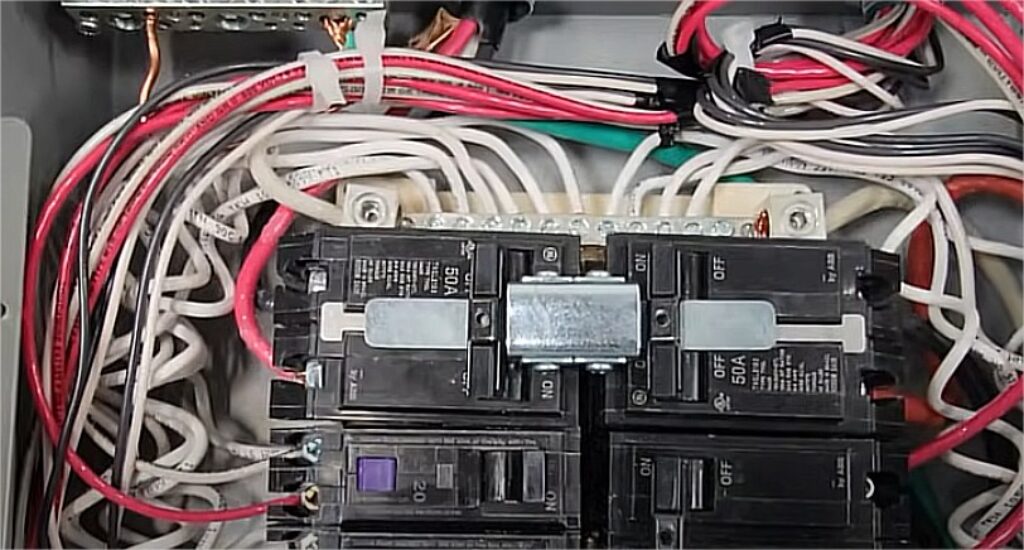
One of the most critical aspects of the installation is selecting and wiring the right transfer switch. A subpanel was configured specifically for essential load management:
- The setup includes six 15A and four 20A circuits, plus a dedicated 30A breaker for a water heater.
- All breakers used were dual-function AF/GFCI types, ensuring protection and code compliance.
- The transfer switch allows automatic switchover during outages, isolating critical circuits.
This layer of customization ensures that in a blackout, the most important appliances stay online without manual intervention.
Wiring Done Right: Disconnects and Layout
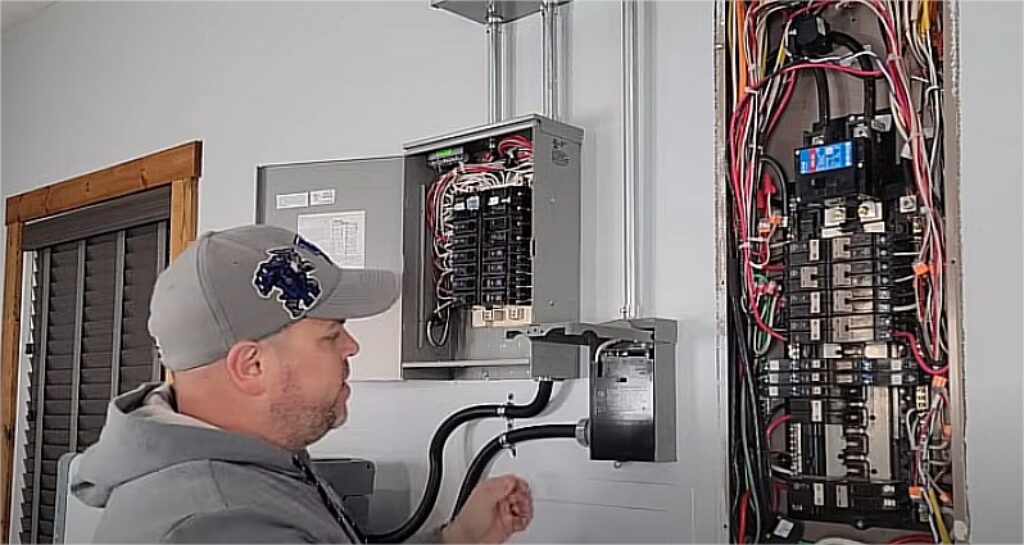
Clean and safe wiring is not just about organization—it’s about efficiency and longevity. The installation leveraged smart wiring strategies to streamline the entire process:
- AC and DC disconnects were installed to isolate various parts of the system during service.
- A wiring trough was used to neatly route cables between the main panel, inverter, and battery bank.
- Although a permanent DC disconnect couldn’t be installed due to spacing, a temporary workaround with solar input ensured continuity.
These tactics reduce clutter and simplify future maintenance while optimizing power flow across the system.
Professional Involvement and Safety First
While the video showcases expert-level DIY work, it strongly advises collaboration with a licensed electrician:
- Certain installations, such as breaker panel integrations and permit filings, must adhere to local electrical codes.
- A professional ensures safety protocols are met, especially for high-voltage DC connections.
- Collaboration also streamlines inspections and approvals, reducing delays.
This emphasis on hybrid installation (DIY + pro oversight) is a critical takeaway for any homeowner retrofitting their power system.
Smart Software Configuration and System Behavior
Beyond the hardware, the Bluetti EP800 offers user-configurable settings that define how and when backup power is used:
- Battery state-of-charge thresholds can be set via the app to determine grid vs. battery usage.
- Users can prioritize energy savings or emergency readiness depending on preference.
- Real-time monitoring and app-based controls allow for fine-tuned performance.
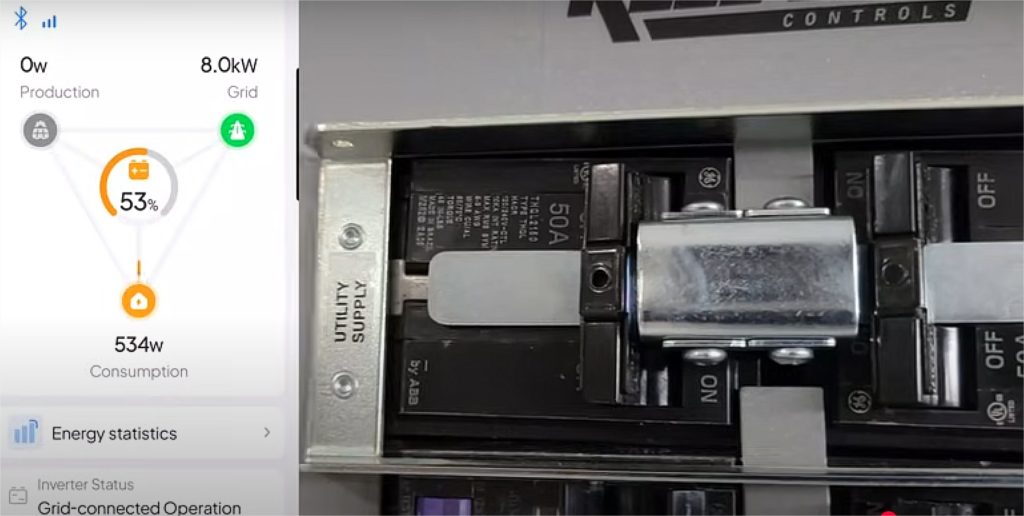
This level of customization adds intelligence to resilience, making the system responsive to both environmental conditions and user needs.
Final Thoughts: Real-World Challenges and Practical Solutions
The installation didn’t go without hiccups—space constraints, temporary solar connections, and custom wiring decisions were all addressed on the fly:
- Site-specific limitations are common in home installations.
- Practical flexibility is just as important as planning.
- Every challenge was met with a safe, functional workaround.
These real-world insights make the Bluetti EP800 not just a theoretical solution, but a practical one for homeowners seeking grid independence.
Key Takeaways
- Dual-mode charging (AC & DC coupling) boosts uptime and system versatility.
- Thoughtful breaker and transfer switch selection ensures reliability.
- Clean wiring via troughs and disconnects enhances safety and maintenance.
- Professional oversight is non-negotiable for code compliance.
- App-based configuration gives users tailored control over energy use.
By blending robust hardware, clean design, and intelligent control, the Bluetti EP800 installation demonstrates that powering your home reliably doesn’t have to mean starting from scratch. It’s about upgrading what you already have—smartly, safely, and sustainably.