
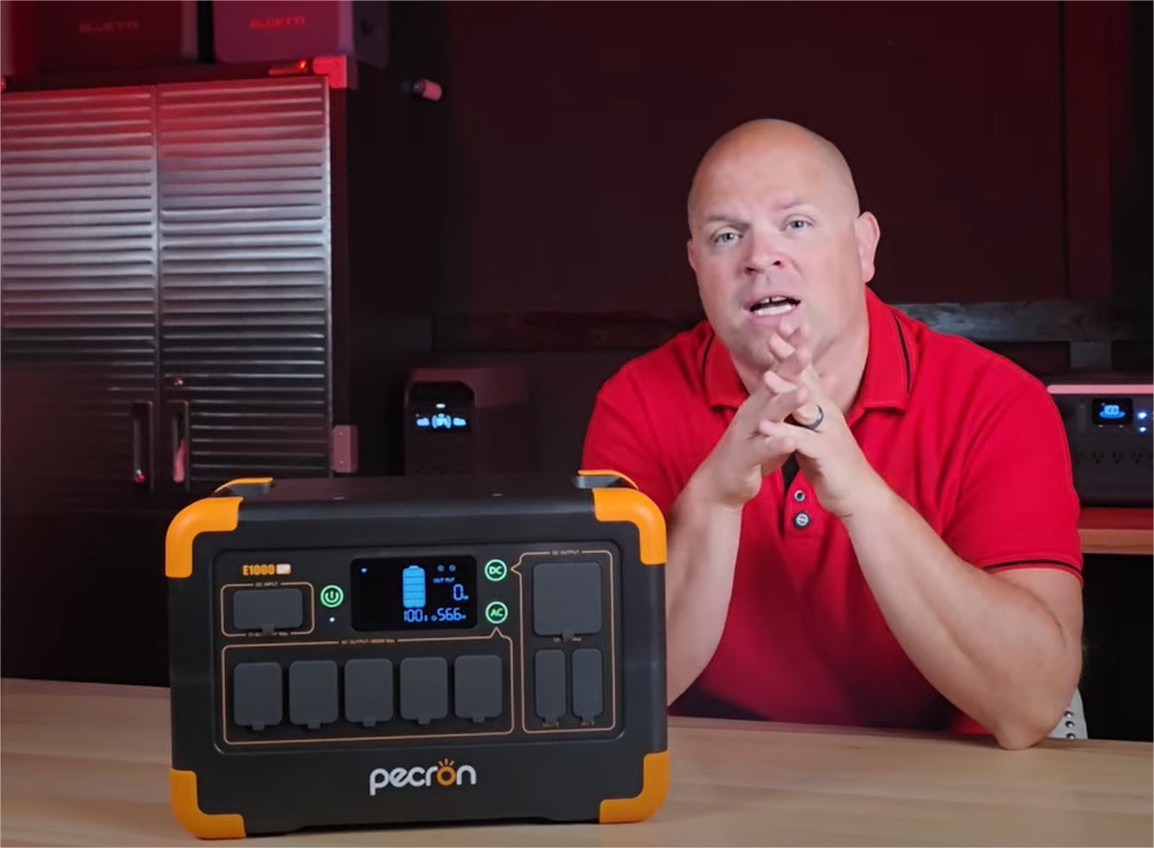
I recently got my hands on the Pecron E1000 LFP, a 1,024Wh portable power station promising LiFePO4 reliability, a strong 1,800W pure sine wave inverter, and rugged build quality. As someone who depends on portable power for camping, RV trips, and emergency backup, I wanted to see if it truly delivers beyond the specs sheet. My experience was a mix of highs and frustrating lows.
Overheating Issues Limit Practical Use
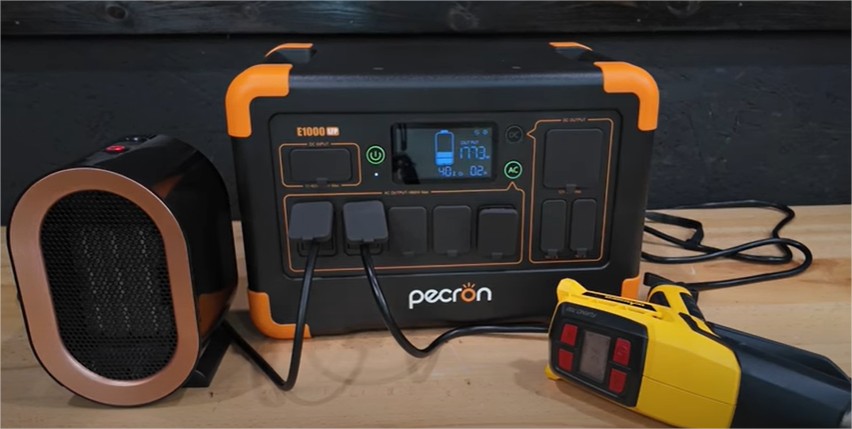
One of the first things I noticed was the thermal management—or lack thereof. Under continuous discharge or fast AC charging, the E1000 overheated quickly, triggering automatic shutdowns.
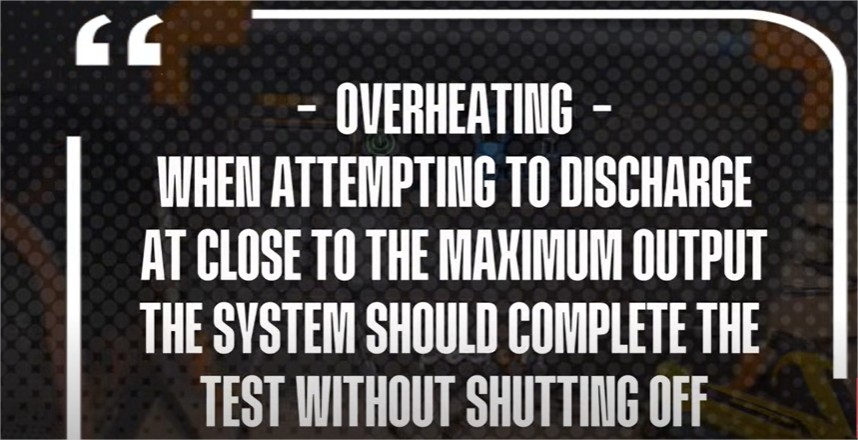
- Continuous heavy loads caused forced cooldowns.
- Fast charging at full capacity made the device reach critical temperatures.
- Long cooldown times interrupted usability during emergencies.
While the battery capacity itself is solid, these overheating issues make it hard to rely on this unit for consistent performance in critical situations.
Build Quality and Design Don’t Match the Rugged Look
On paper, the E1000 looks tough, but reality tells a different story. The casing feels robust, yet small details exposed weaknesses.
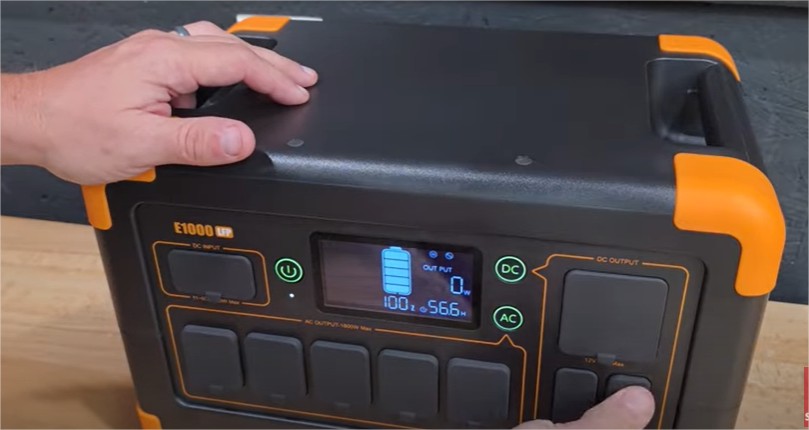
- A bumper foot detached despite careful handling.
- Protective port covers for AC and expansion ports were awkward to close.
- The rugged exterior doesn’t fully translate to long-term durability.
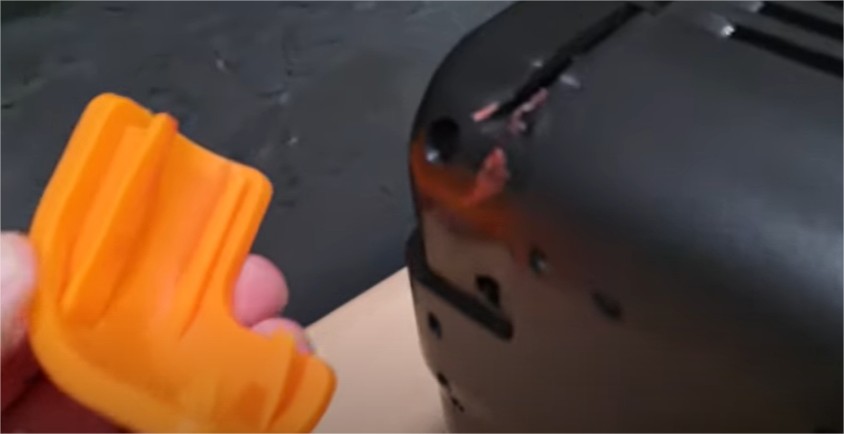
If you plan to take this unit into rough environments, these minor flaws could become significant annoyances.
Battery Chemistry Is Solid, But Overshadowed
The LiFePO4 (LFP) cells used in the E1000 are generally excellent for longevity and safety. Real-world tests confirmed an 88% efficiency, which is competitive in the 1 kWh class.
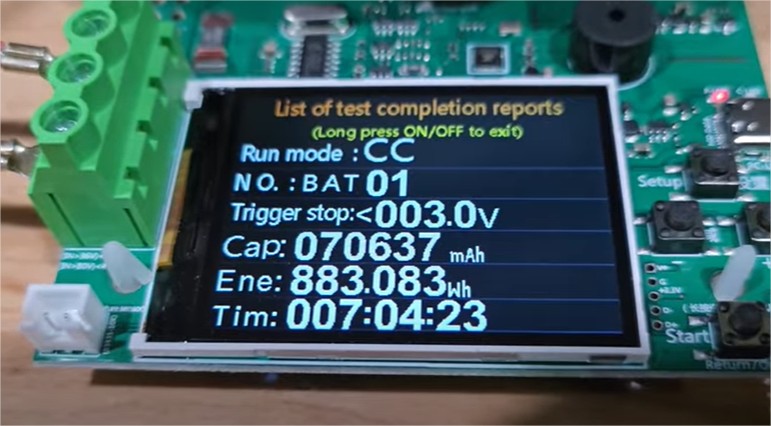
- Battery capacity meets expectations.
- LFP chemistry reduces thermal runaway risks.
- Cycle life is promising for long-term use.
However, these positives are largely overshadowed by thermal shutdowns and operational inefficiencies, limiting how much of the capacity you can actually use safely.
Noise Levels and Idle Power Draw Are Higher Than Expected
Even when idle, the E1000 isn’t quiet. Fans run continuously, generating noticeable noise.
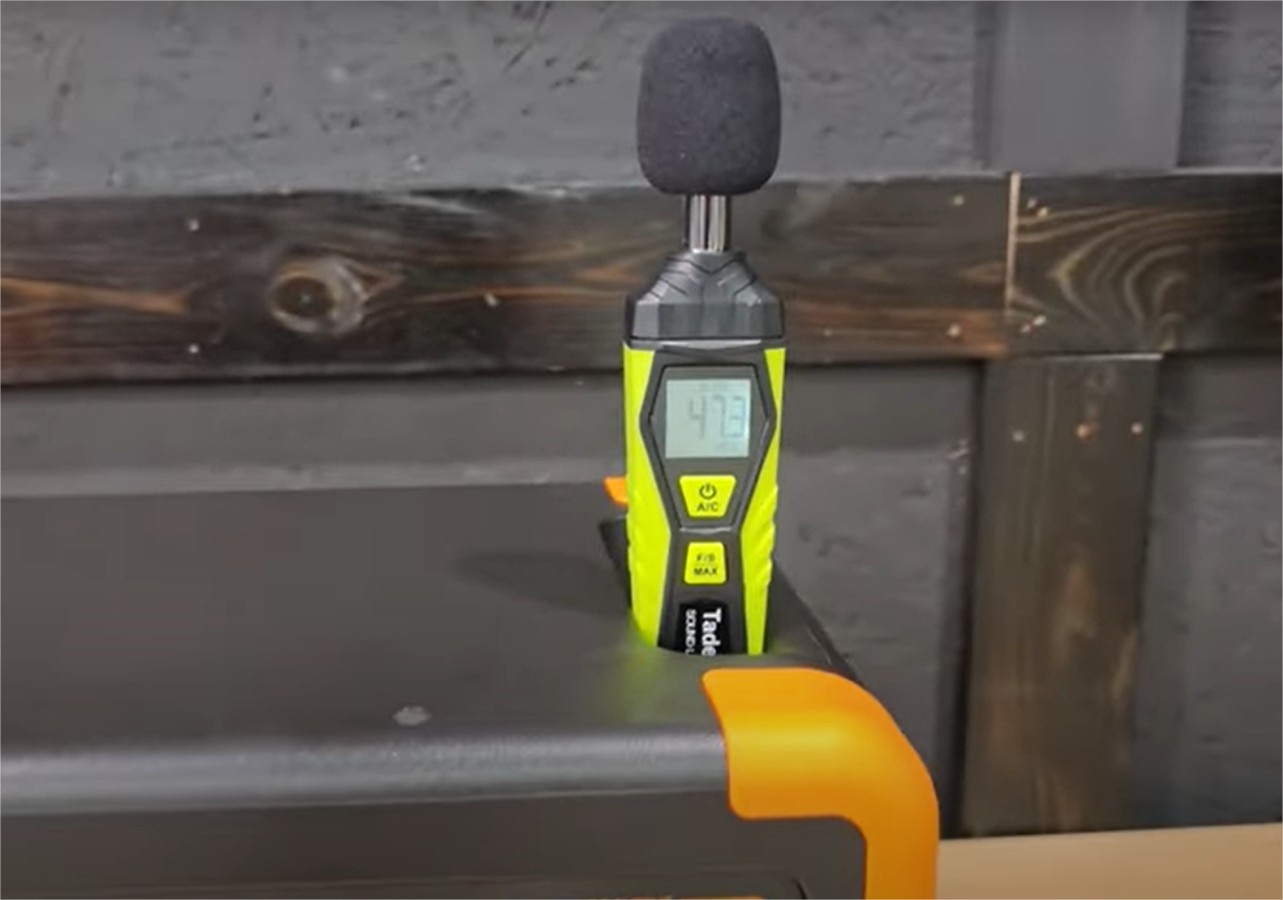
- Idle fan noise measured around 47.3 dB.
- Standby inverter consumption drained about 40% of the battery over 24 hours.
- Extended camping or emergency use could be compromised by constant noise and inefficient standby.
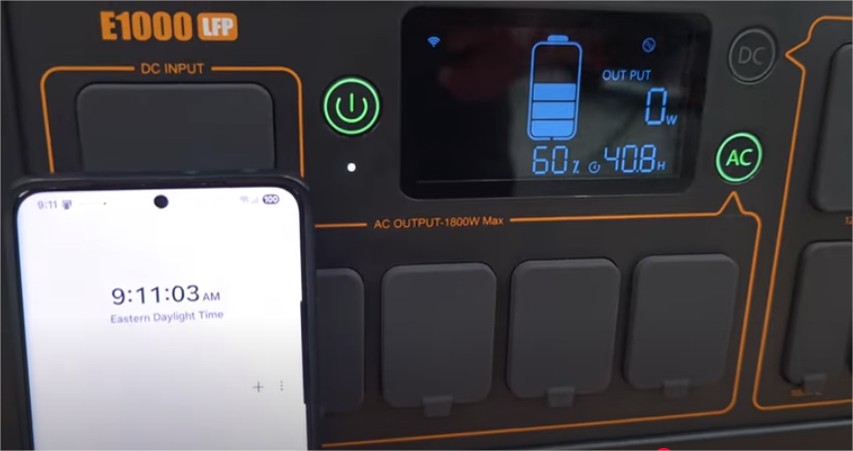
These factors reduce comfort and practicality, especially when using the unit overnight or in quiet environments.
Charging Performance Comes With Risks
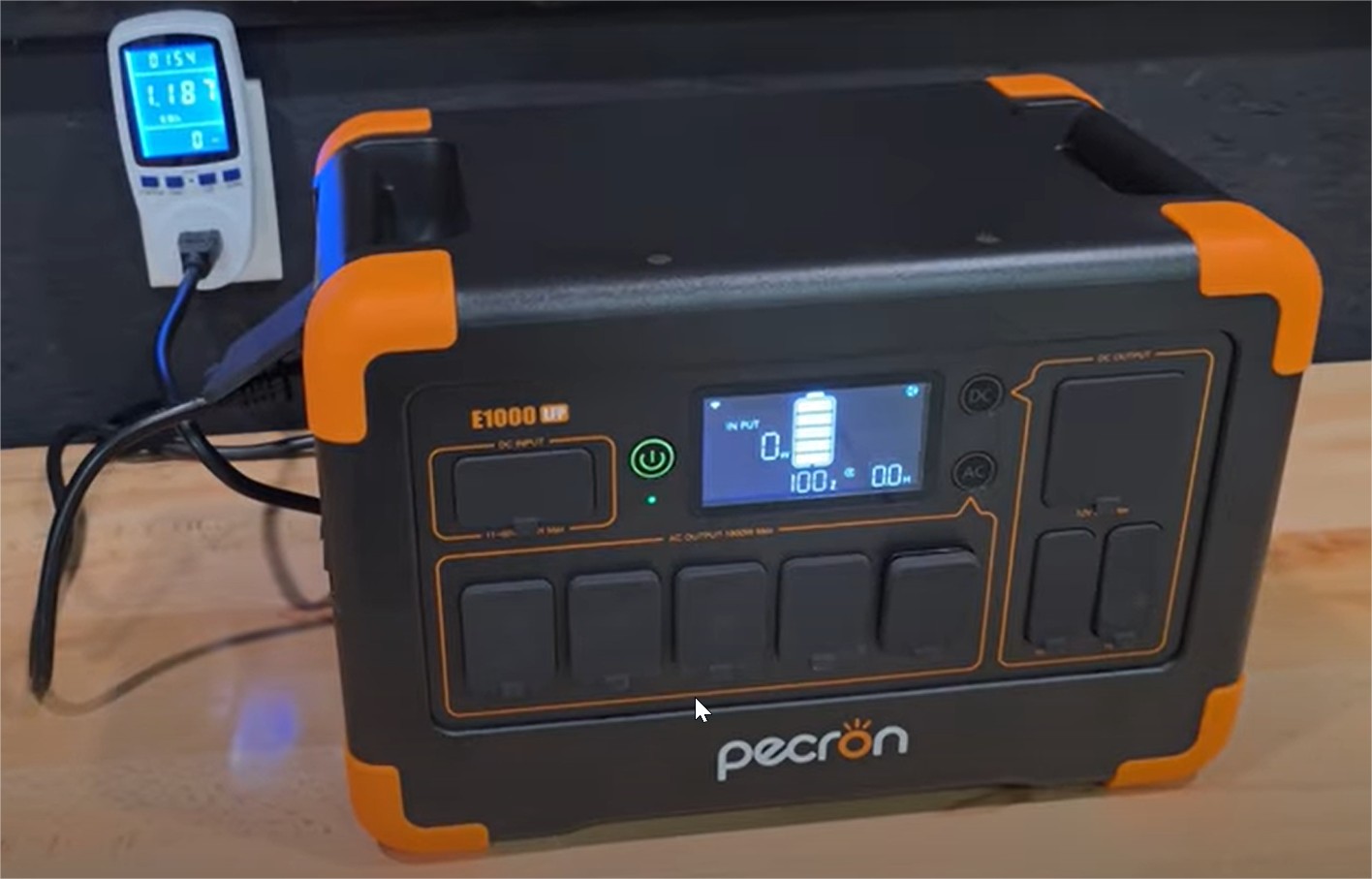
The E1000 supports fast AC charging up to 1,000W, which is impressive—but not without downsides.
- Rapid AC input worsened overheating issues.
- Solar input maxes at 600W, sufficient for stock capacity but limits expansion.
- Quick charging triggers cooldowns, reducing usability in urgent scenarios.
Additionally, the unit struggles to maintain a full charge when plugged into AC, which could leave you with a partially discharged battery in an emergency.
My Final Thoughts and Recommendations
After thoroughly testing the Pecron E1000 LFP, I have to admit that its real-world performance doesn’t fully align with the impressive specifications. While the LiFePO4 cells, inverter strength, and nominal battery capacity are positives, critical flaws undermine reliability:
- Overheating during heavy use and fast charging
- Extended cooldown periods
- Elevated noise levels
- Standby efficiency issues
- Minor build quality concerns
For anyone seeking a dependable 1 kWh-class portable power station, especially for emergencies, off-grid use, or extended outdoor trips, I would recommend exploring better alternatives. The Pecron E1000 LFP is fine for lighter use or as a backup for non-critical devices, but its limitations mean it falls short of being a true all-around solution.

If you’re in the market for a reliable, efficient, and safe portable power station, it’s crucial to look beyond flashy specs and prioritize thermal management, build quality, and standby efficiency.
Key Takeaways:
- ⚡ Strong LiFePO4 battery and 1,800W inverter.
- 🔥 Overheating severely limits continuous use.
- 🛑 Cooling system struggles; fan noise is noticeable.
- 🔋 Battery capacity good, but efficiency impacted by thermal issues.
- ❌ Standby drain reduces readiness for emergencies.
- 🧰 Minor build flaws affect durability.
Ultimately, the Pecron E1000 LFP is a reminder that not all 1 kWh portable power stations are created equal. Real-world testing matters—especially if you rely on your power station for critical situations.