
Building a home solar system starts with knowing your setup. Remember, a reliable solar battery system isn’t just about panels—it’s about smart design, safety, and strategic planning.
Understanding Your DIY Solar System Components
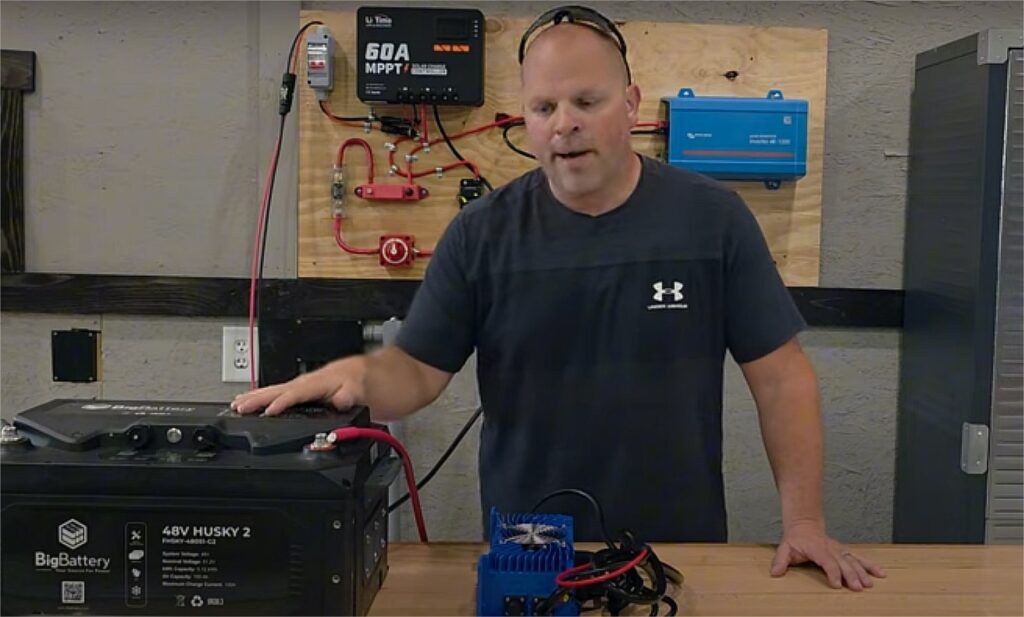
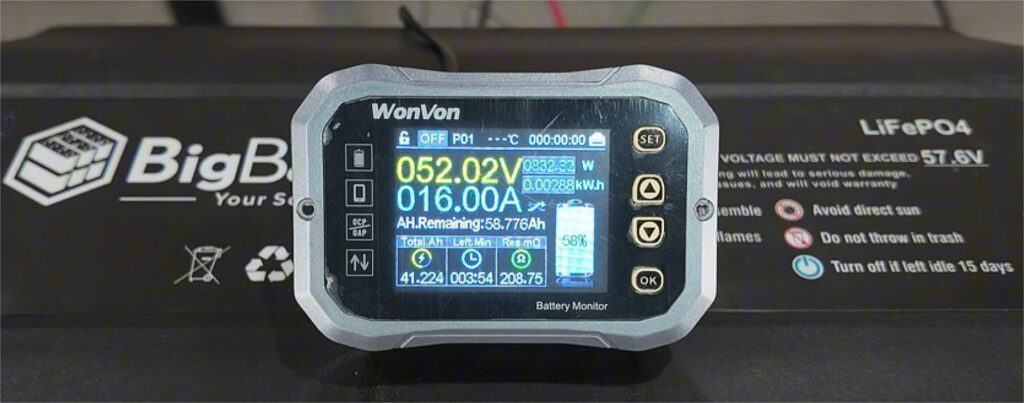
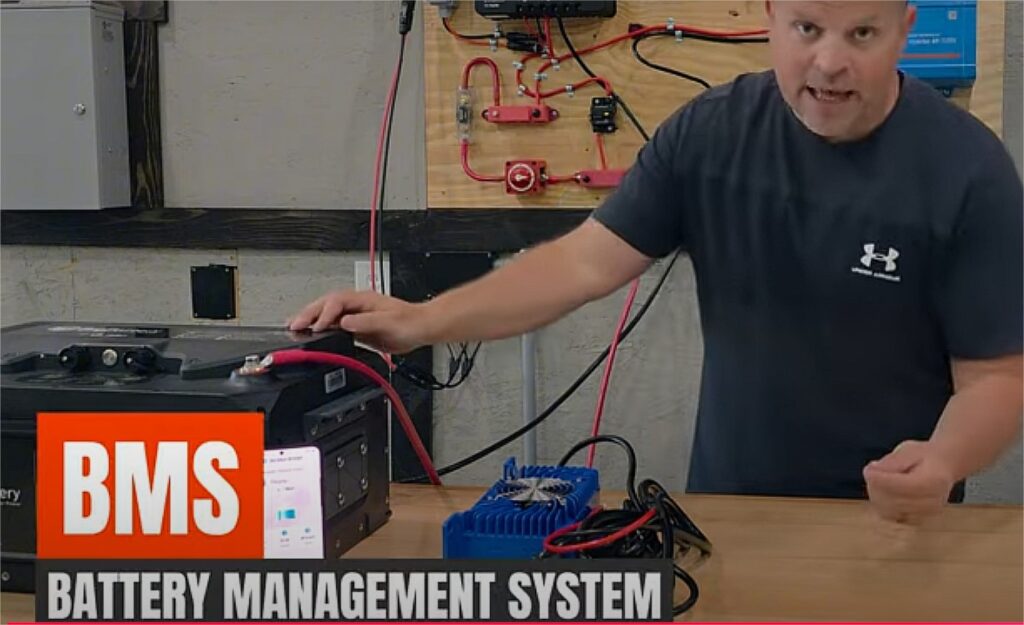
In this example, I use a 100 Ah Husky 2 LiFePO4 battery tied to a DIY 2.4 kW solar array. Key components include bus bars for positive and negative terminals, and a shunt with a meter for monitoring amp‑hours drawn or charged via the battery.
- Single or dual bus bars can support direct connections or shunt integration
- Voltage and current wiring must be correctly sized to avoid losses or safety hazards
- The shunt’s data connects via Bluetooth to an app, enabling real‑time monitoring
This foundation ensures that both solar and auxiliary AC chargers can safely charge your system at different times.
Daytime: Charging with Solar Panels & MPPT Controller
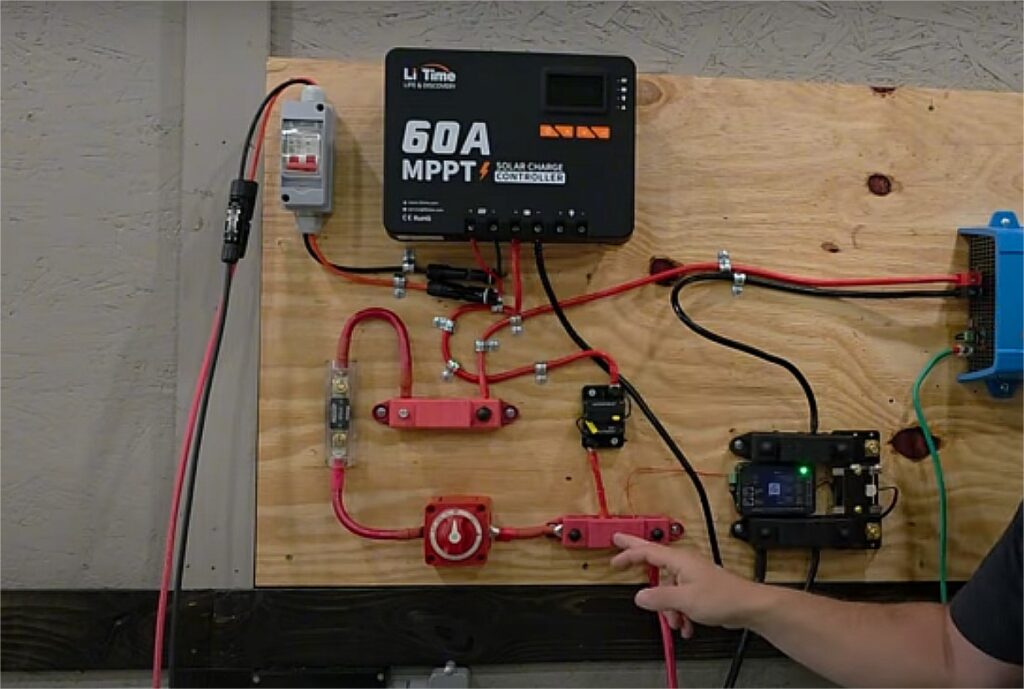
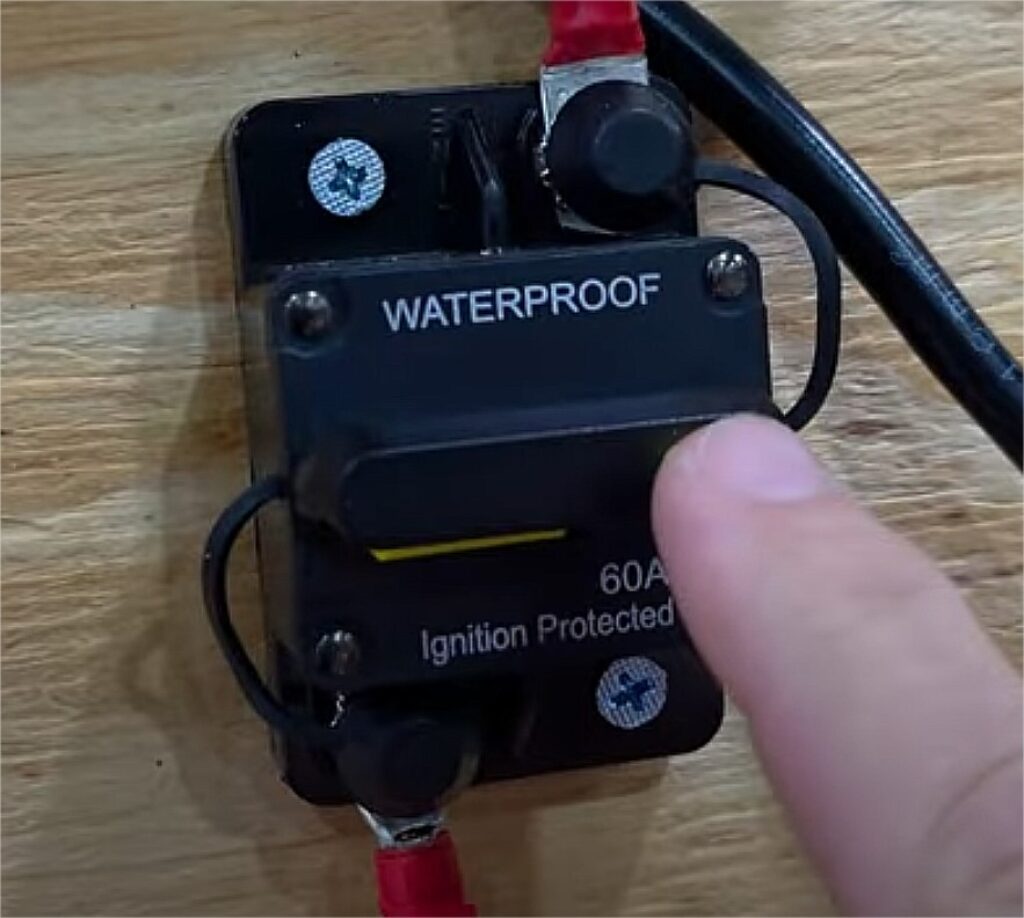
During daylight, the system charges through solar panels via a charge controller—preferably MPPT. The setup combines two panel arrays in parallel to boost amperage, feeding through a breaker and fuse into the battery.
Why MPPT matters:
- Regulates voltage and current to prevent overcharging and backflow
- Retrieves up to 15–30% more energy compared to PWM controllers
- Supports different battery chemistries (LiFePO4 vs lead–acid) via selectable profiles
Once breakers and fuses are in place, the charge controller activates, and the app displays charging metrics—e.g., 35 A at 53 V (~2 kW) into the battery bank.
Nighttime Backup: AC Charging for Emergencies
Night-Proof Your Power Supply
When solar isn’t available—during storms or at night—you still need options. The system supports AC charging via a standard battery charger connected directly to the battery terminals.
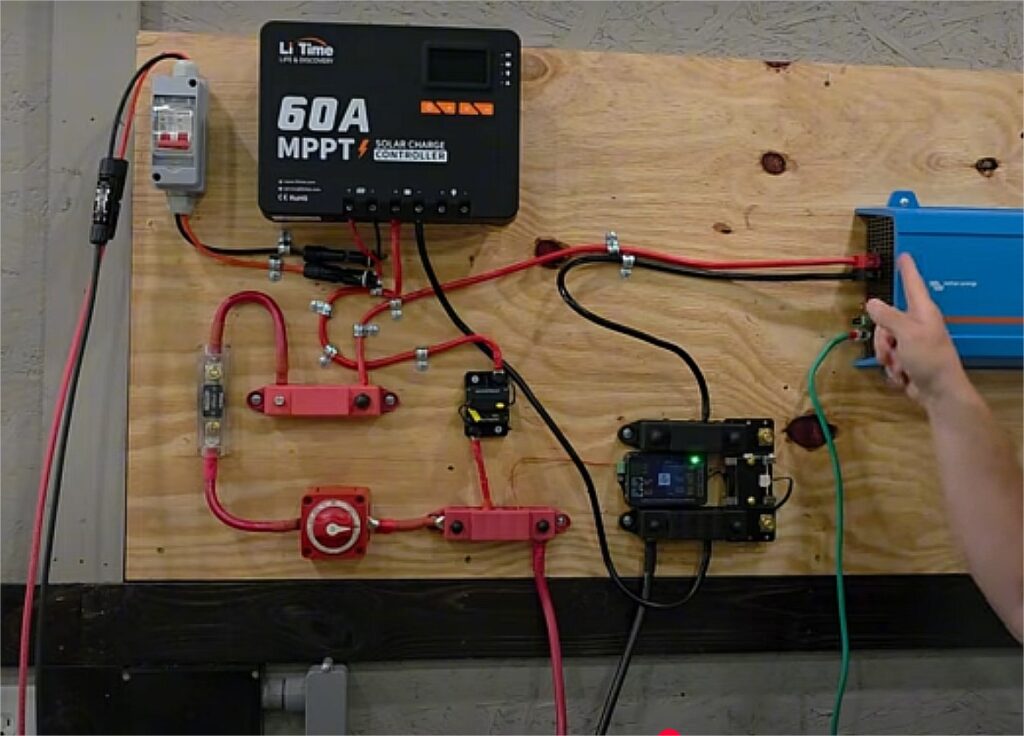
Key backup charging options:
- Grid/AC charger: Ideal for topping up your battery offline
- Generator: Many hybrid inverters include an AC‑charging function
- Vehicle alternator conversion: Common in RV setups using 12/24 V DC‑DC chargers
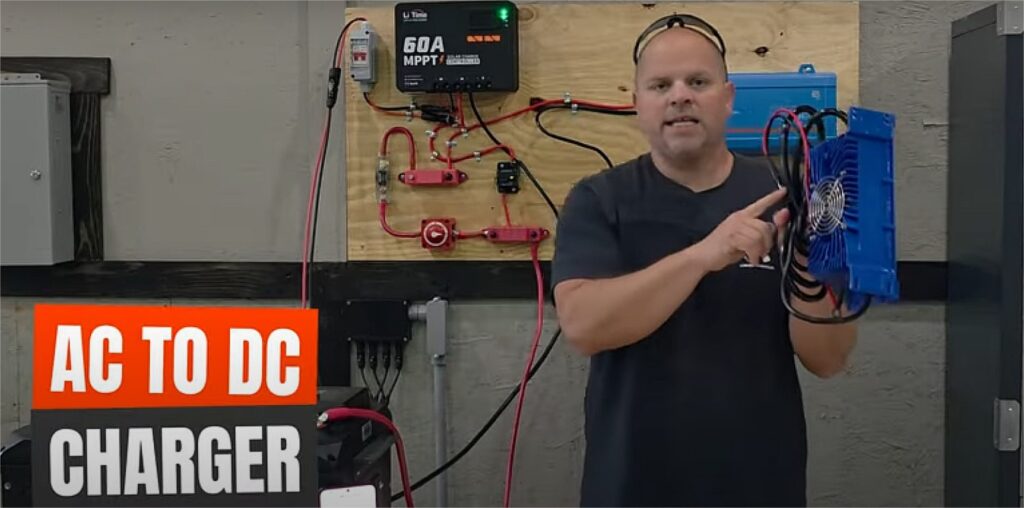
This flexibility ensures your system can stay charged regardless of sun availability.
Best Practices & System Efficiency Tips
Building a robust DIY solar battery system hinges on combining hardware with smart design and maintenance.
System wiring and protection:
- Fuse and breaker placement close to the battery and bus bars minimizes risk
- Accurate wire sizing and short cable runs reduce energy loss
- Use bus bars rated for terminal lugs and shunt connections
Battery health & charging settings:
- Select a charge controller profile matching LiFePO4 to avoid over/under‑charging
- Stick to the manufacturer’s charging voltages
- Avoid full discharge (0%) and frequent full charges; keep LiFePO4 between ~20–80% state‑of‑charge
Maintenance & system longevity:
- Monitor voltages and current via app or panel display
- Keep terminals clean, tighten connections, and wipe panels clear of dirt(debris)
- Install the charge controller in a cool, ventilated location
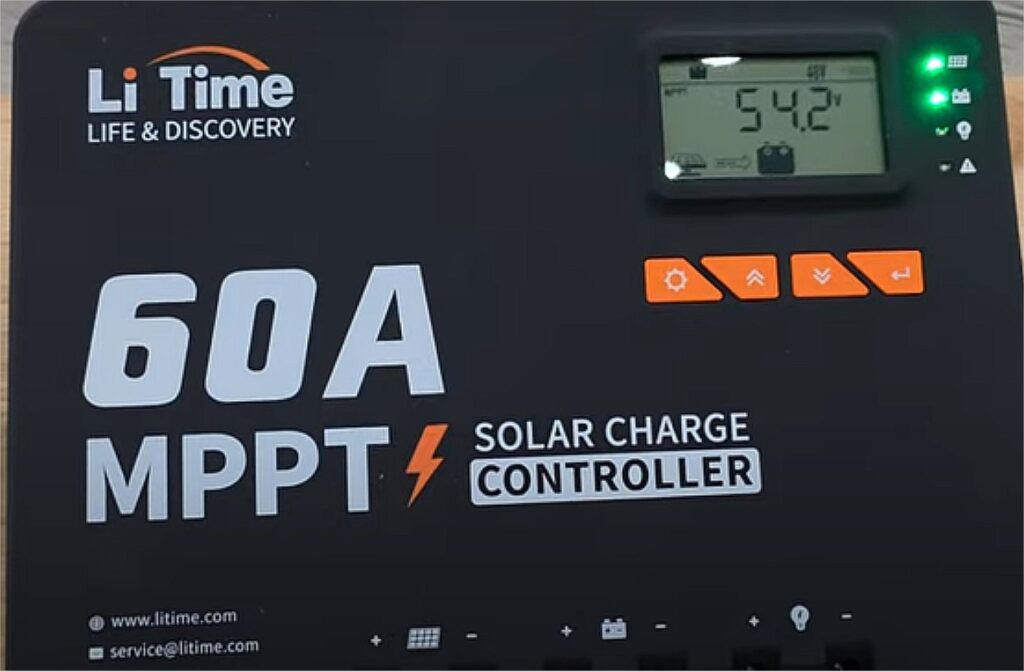
These steps maintain peak performance and prolong battery lifespan.
Optimizing for Maximum Efficiency & Scalability
To build a future‑ready solar setup that performs day‑to‑day, think long term.
Efficiency strategies:
- Panel orientation & shading: Align panels for maximum sunlight; even minor shade drastically reduces output
- MPPT vs PWM: MPPT is pricier but delivers far greater energy yield, especially with large arrays or in colder climates
- Expandability: Install bus bars and breakers with capacity for more parallel panels or battery banks
- Consider future additions: Hybrid inverters, AC charging inputs, and remote monitoring apps make scalability smoother
Final Thoughts
The Winning Edge
This DIY solar charging blueprint provides a clear, flexible, and efficient approach to managing clean energy. By combining solar panels with MPPT charging and AC backup options, you gain:
- Autonomous daytime charging
- Redundant night‑time or emergency charge sources
- App‑based monitoring for real‑time insights
- Safety through proper wiring, protection, and maintenance
Whether you’re building your first off‑grid system or upgrading your energy independence, use this as a practical guide. The sun will set, but with the right combination of solar, charge controllers, and charging methods, your power won’t.