
With power outages becoming more frequent and the need for off-grid energy growing, I’m always on the lookout for reliable portable power stations. Recently, I got my hands on the Dabbsson DBS2100 Pro—a device that promises serious power and flexibility with a 2,400W inverter and a 2,150Wh battery. It sounded great on paper, but after running real-world tests, the picture became more nuanced.
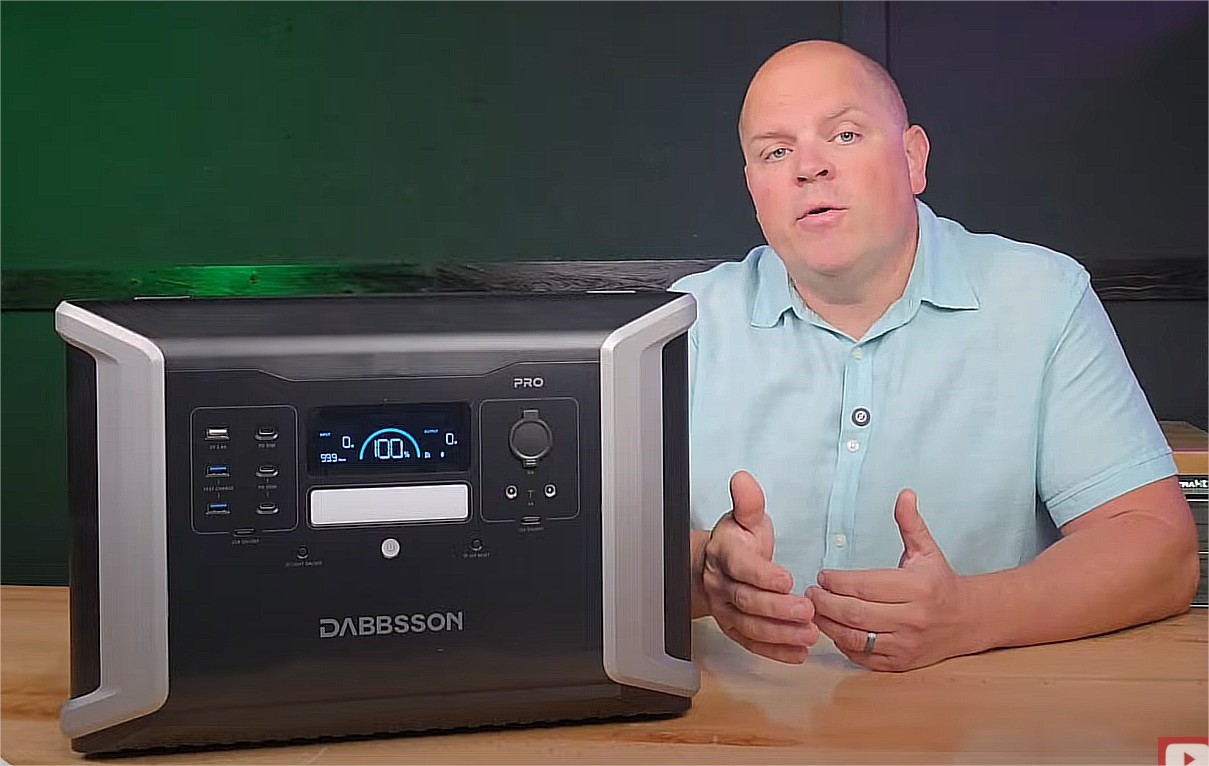
In this review, I’ll walk you through my hands-on experience with the DBS2100 Pro—from performance highs to the surprising flaws. If you’re considering it for RV use, backup power, or solar integration, read on before you invest.
First Impressions and Key Specs
Right out of the box, the Dabbsson DBS2100 Pro feels like a powerhouse. It comes packed with various output ports: AC outlets, USB ports, and a DC port, along with support for battery expansion and parallel connection.
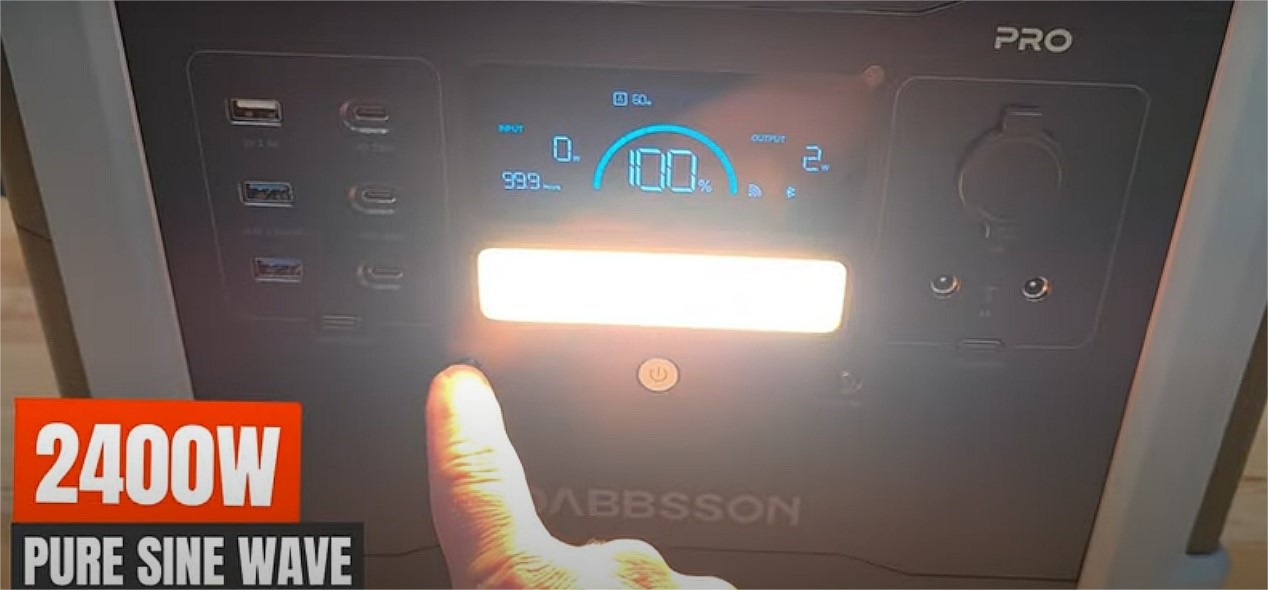
Key features include:
- 2,150Wh LiFePO4 battery with 4,500 cycles to 80%
- 2,400W pure sine wave inverter (surge: higher)
- Expandable to 12,900Wh with extra batteries
- 5-year manufacturer warranty
- Dual MPPT solar input support up to 1,200W
At a glance, this unit ticks a lot of boxes—especially with UPS functionality and solar compatibility. But as I dug deeper, things got a bit more complicated.
Performance vs. Expectations
Performance was a mixed bag. I expected it to sustain a 2,400W load easily, but during a high-load test, the inverter overheated and shut down—despite only discharging 37% of the battery. That was disappointing.
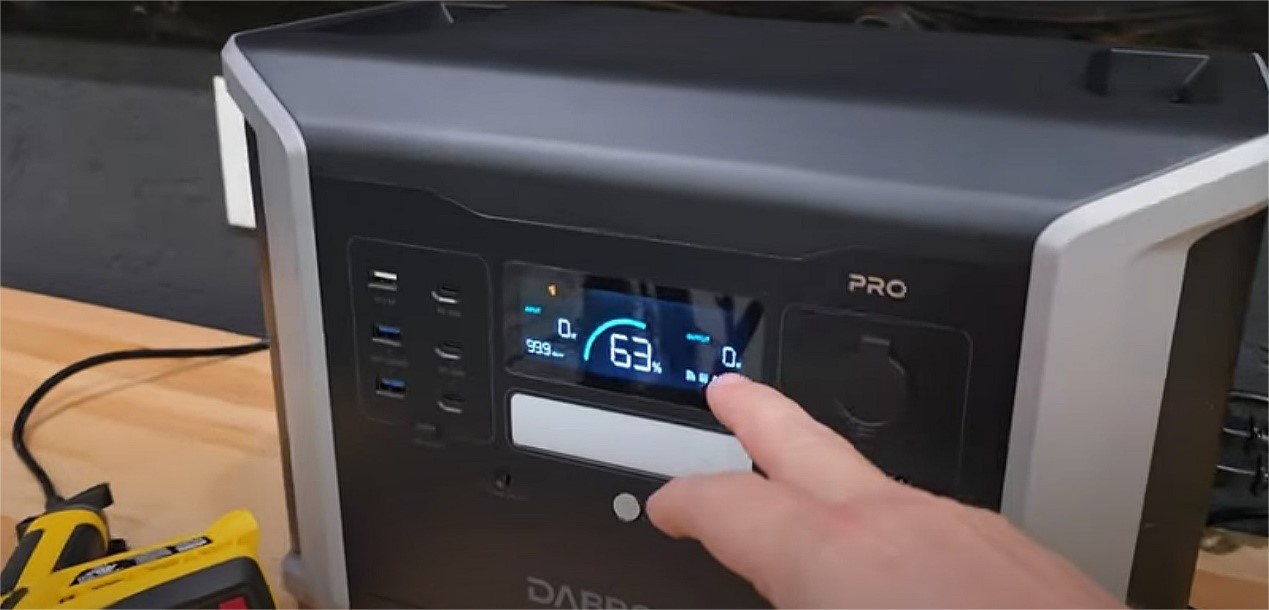
Here’s the breakdown:
- Inverter efficiency was excellent at 90.88%
- It couldn’t sustain the full rated load for extended periods
- Cooling system failed to prevent thermal shutdown during heavy usage
While it handled mid-range loads without a hitch, this overheating issue limits its real-world use for things like power tools or appliances that draw sustained high wattage. If you’re buying this expecting full-rated performance, be cautious.
Noise, Standby Power Draw, and Daily Usability
Let’s talk about comfort and usability. The unit runs at 49 dB during charging—not whisper quiet, but not obnoxious either. I used it in a workshop setting, and it didn’t interfere with conversations.
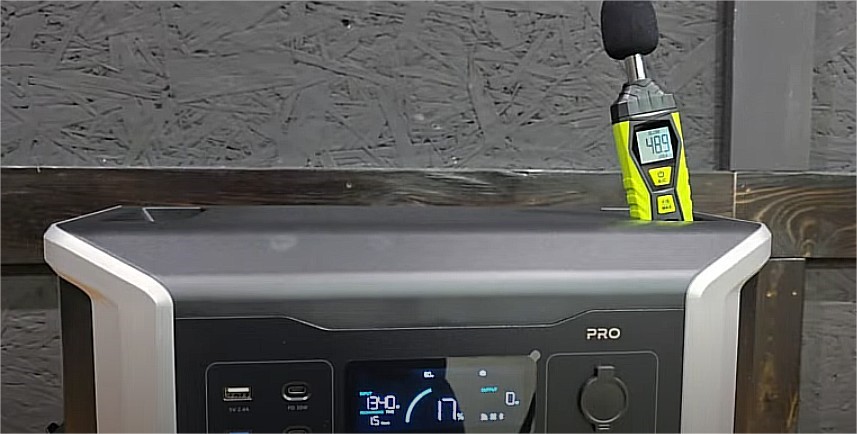
However, the real concern? Standby power draw.
- With the screen and AC outlets active, it lost nearly 40% battery over 12 hours
- That’s 69.87 watts per hour just sitting idle!

If you’re planning to use this as an emergency backup device, this is a critical issue. You’ll need to manually turn it off to preserve battery life when not in use, which limits its set-and-forget appeal.
Charging and Solar Integration: Pros & Cons
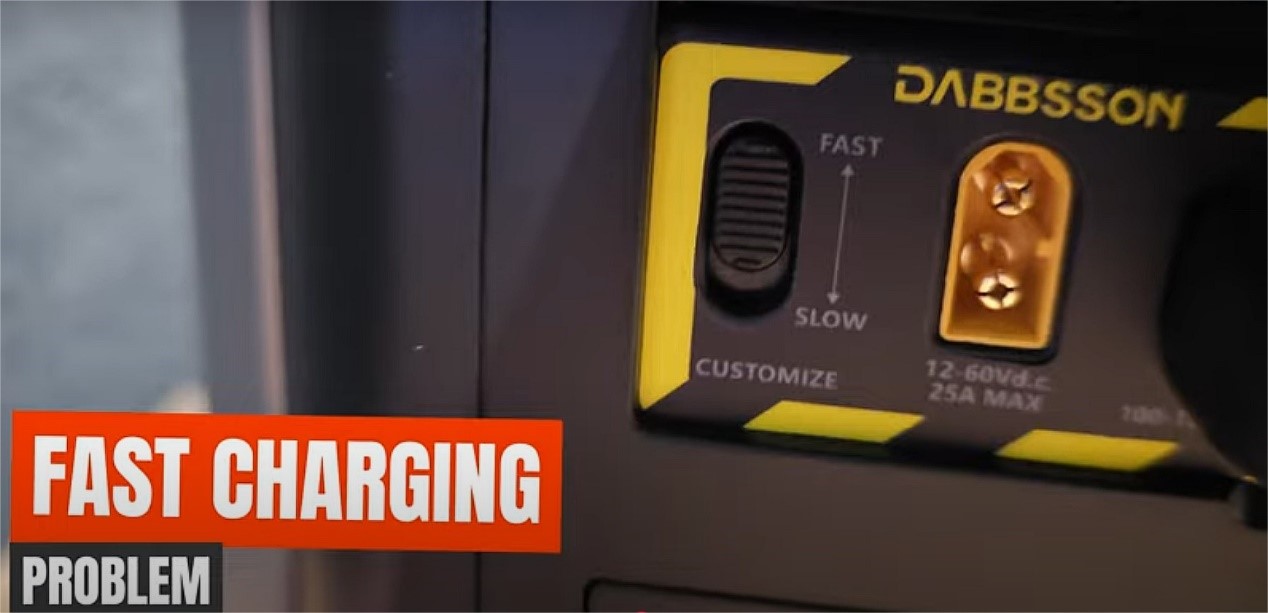
This part caught me off guard. Dabbsson claims the unit supports up to 1,800 watts of charging input. In reality, I only managed to pull about 1,360 watts—even when I enabled “fast charge” mode.

What’s more:
- Charging rate dipped prematurely and stayed low
- MPPT solar input range: 11–60V, 25A (max 1,200W)
- Difficult to string together multiple large solar panels without hitting limits
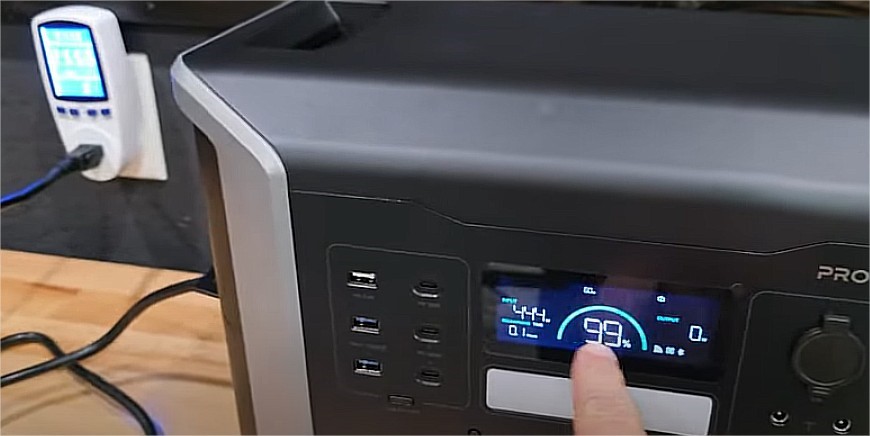
If you’re considering this for solar use, especially with larger off-grid setups, you might struggle to get the full potential from your panels. You’ll also likely need additional gear like DC breakers, voltage regulators, and proper cabling—adding to your overall cost and complexity.
UPS Switching and Long-Term Durability
On a positive note, the UPS function is impressive. I measured a 15-millisecond switch time—faster than the industry average of 20ms. For me, this meant a seamless transition when simulating outages. My sensitive electronics stayed powered on without a hiccup.
Other things I liked:
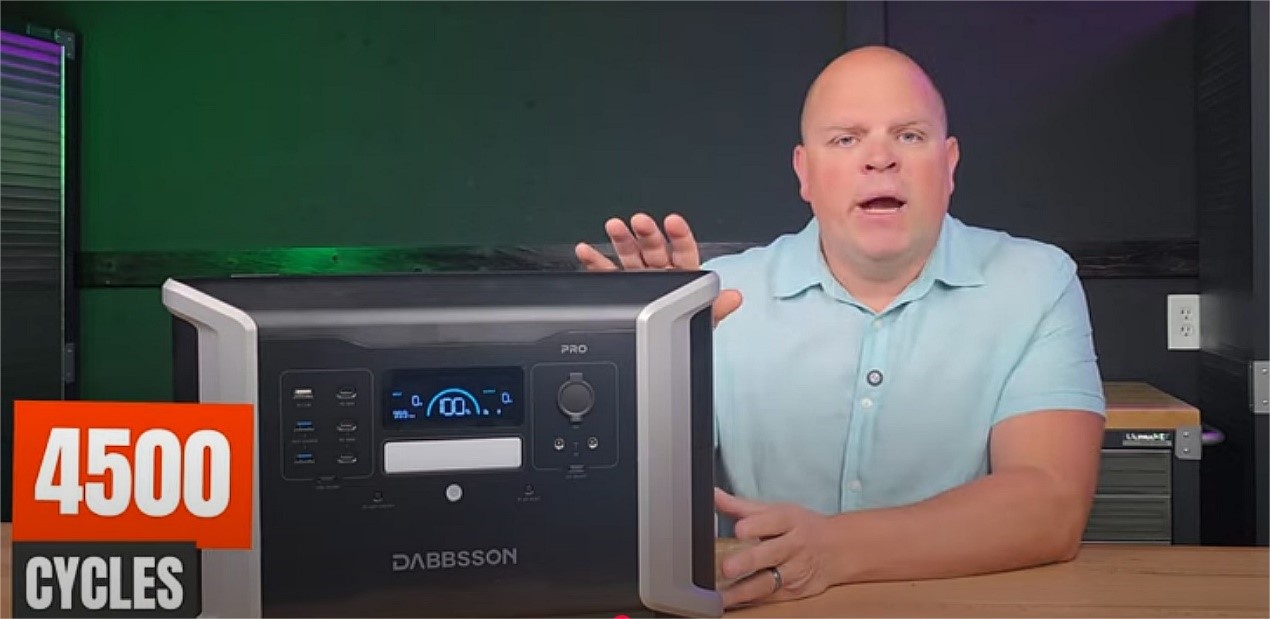
- Long-lasting LiFePO4 battery with 4,500 cycles
- 12.5 years of use with one cycle per day
- 5-year warranty gives peace of mind
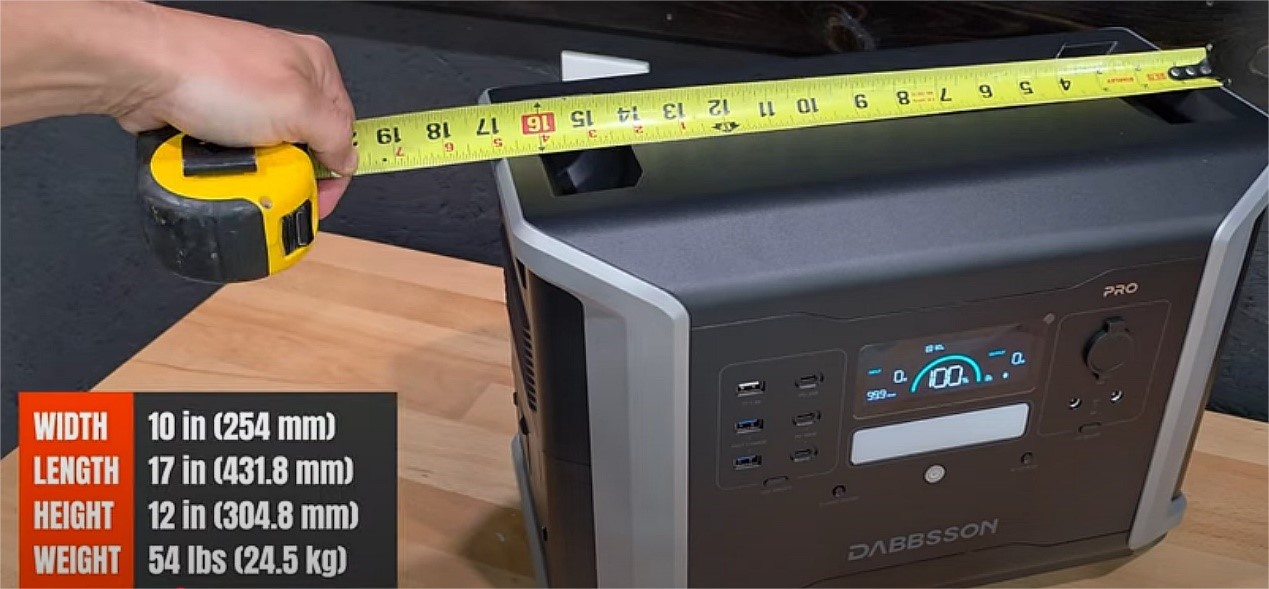
Still, I can’t ignore the design drawbacks. The handles feel flimsy, and the top panel is split, making stacking risky. The input/output ports are also awkwardly placed at the back, which makes wall placement inconvenient and increases floor footprint.
Final Thoughts: Is the DBS2100 Pro Worth It?
Here’s my honest verdict: The Dabbsson DBS2100 Pro offers a lot on paper—great specs, strong inverter efficiency, and expandable battery options. But in practice, it falls short in a few critical areas.
What I Liked:
- High efficiency (90.88%) under moderate loads
- Quiet operation at 49 dB
- Impressive UPS switchover speed (15ms)
- Expandable battery and decent solar support
- Long lifespan with quality LiFePO4 cells
What Needs Work:
- Inability to maintain 2,400W continuous output due to overheating
- Poor standby power efficiency
- Overstated charging input (real max ~1,360W vs. claimed 1,800W)
- Design flaws: weak handles, awkward port placement
- Solar input limitations for large panel arrays
If your use case involves moderate loads, occasional backup, or light off-grid power, the DBS2100 Pro could serve you well. But if you’re planning to run heavy-duty gear or rely on fast recharges and long-term unattended standby, you may want to explore more robust alternatives.
📌 Quick Summary
Here’s a bullet-point snapshot for quick reference:
- ✅ Good for: Moderate power needs, quiet environments, UPS backup, long-term value
- ⚠️ Watch out for: Overheating at high load, high standby drain, inflated charging claims
- 🌞 Best use cases: RVs, camping, light home backup, solar integration (with limitations)
For the price and on-paper features, the Dabbsson DBS2100 Pro looks great. But after hands-on testing, it’s clear that practical use may fall short for heavy users.