
If you’re exploring off-grid solar, home backup, or protection against rising energy costs, choosing the right inverter matters more than almost anything else. I’ve tested plenty of systems over the years, but the Fortress Power Solo 6.5 caught my attention because it sits in a very interesting middle ground.
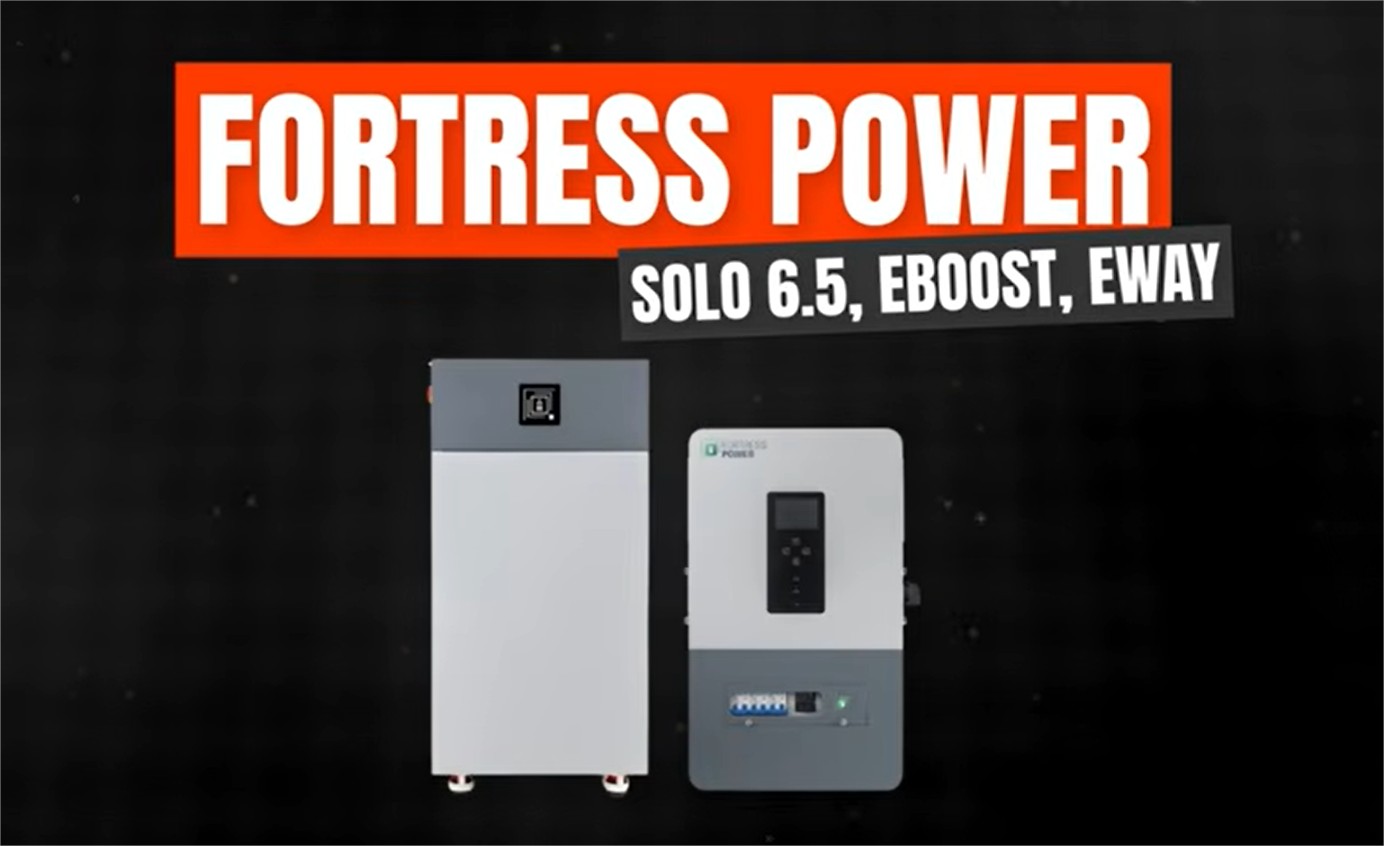
It promises true split-phase power, strong surge handling, flexible expansion, and Fortress-level build quality—without forcing you into a massive whole-home setup. After wiring it up, pairing it with the eWay and eBoost battery, and running real-world load tests, I wanted to share exactly how it performed and who it’s really built for.
A Smart Design Built for Flexible Off-Grid and Backup Use
The first thing I noticed with the Fortress Power Solo 6.5 is how purpose-built it feels. This is a zero-export inverter, meaning it’s designed to power loads and charge batteries—not feed power back to the grid. For many off-grid and hybrid users, that’s a positive, not a limitation.
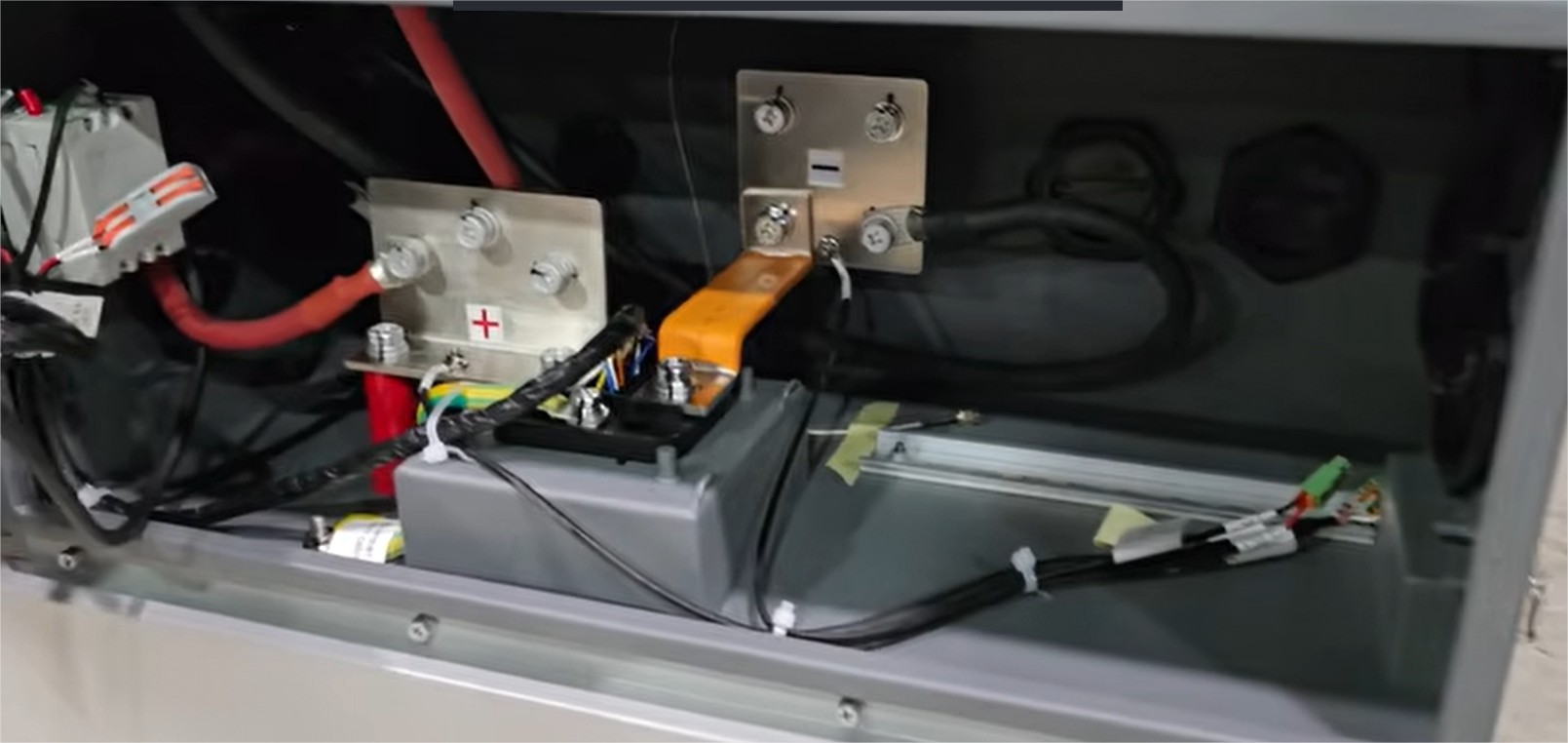
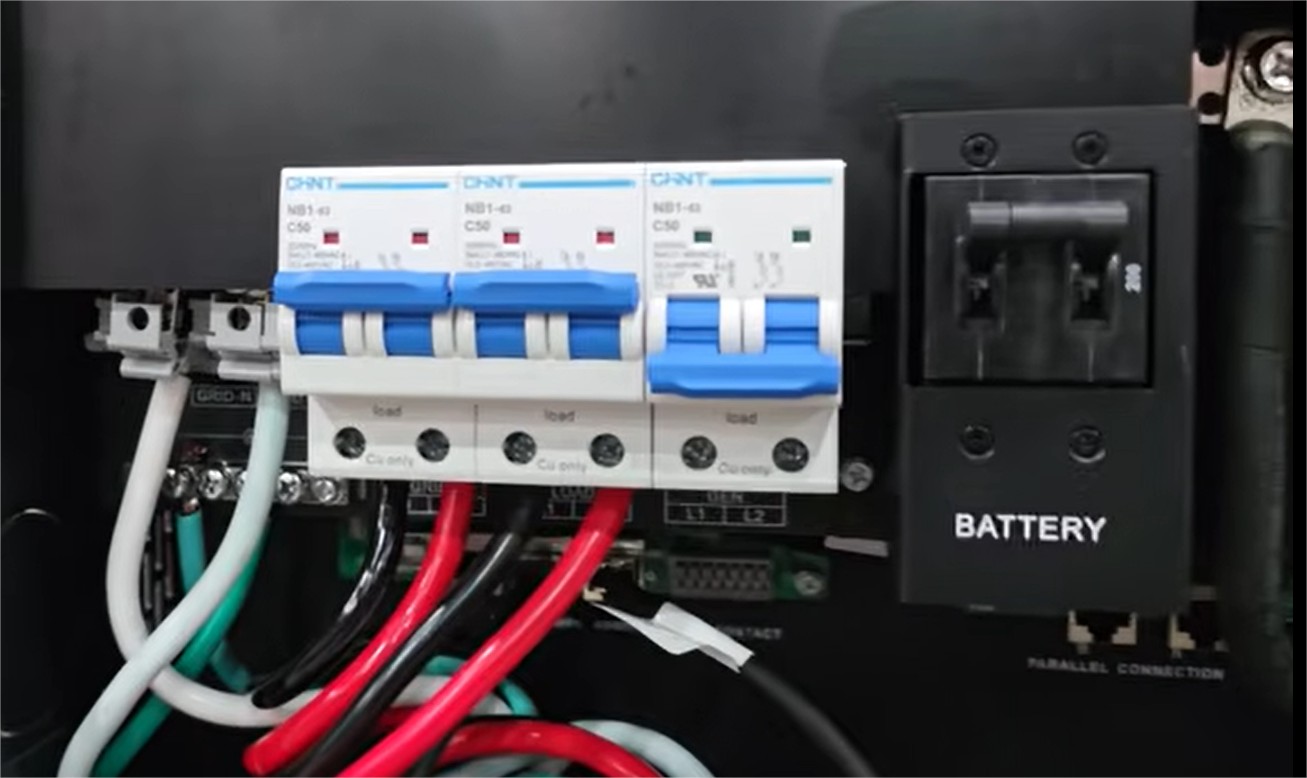
The layout is clean, logical, and installer-friendly, especially when paired with Fortress’ eWay system. Large bus bars, proper breakers, and clearly separated circuits immediately stood out. It’s obvious this system was designed by people who actually install and service power systems.
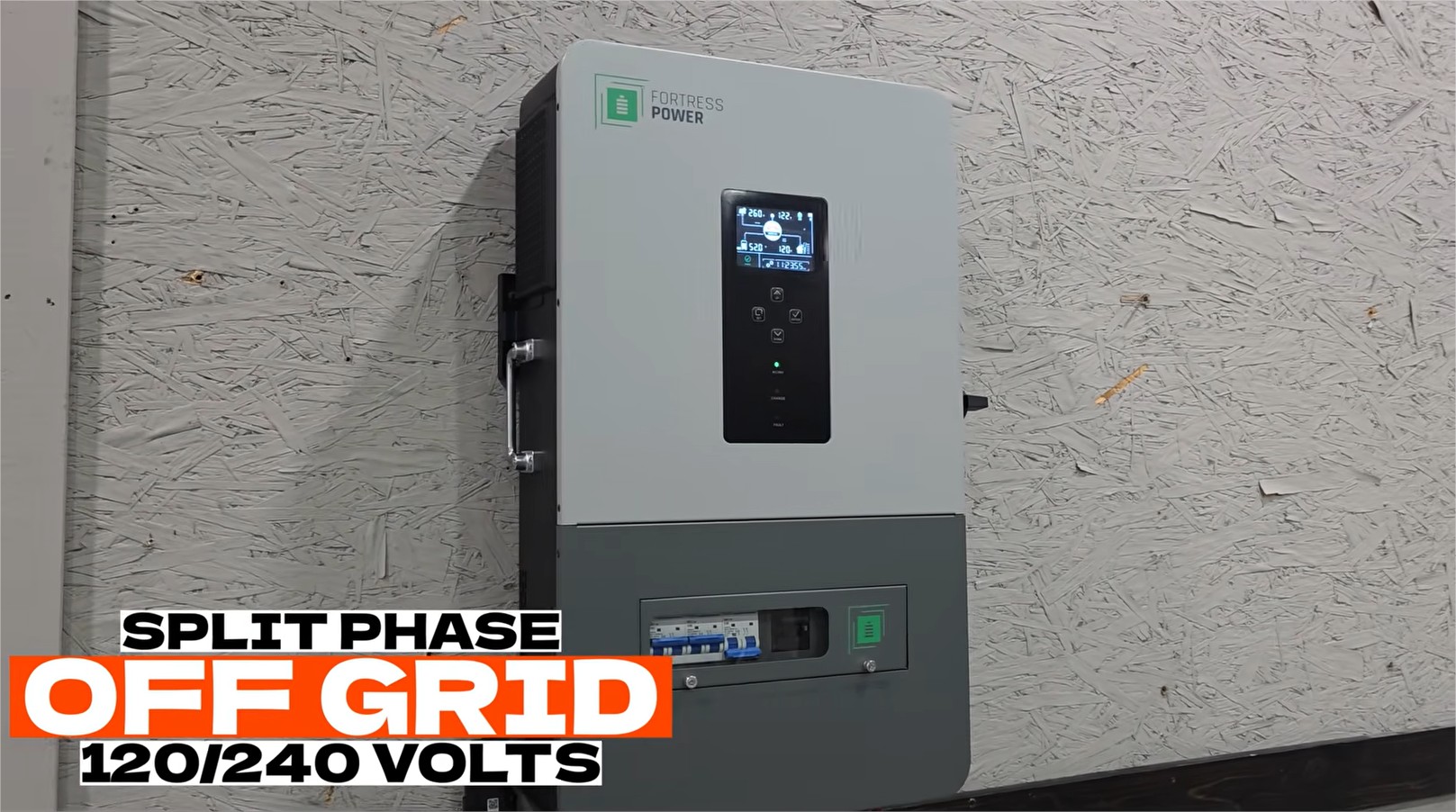
What really matters here is how easily everything integrates.
Key design highlights:
- True split-phase 120/240V output
- Two MPPT solar inputs handling up to 10kW total
- Heavy-duty bus bars rated for 700 amps
- Clean breaker layout for solar, battery, generator, and loads
This setup makes troubleshooting and future expansion far easier than many all-in-one units I’ve worked with.
Solar Input, Battery Charging, and Zero-Export Logic Explained
From a performance standpoint, the Fortress Power Solo 6.5 behaves exactly how I want a mid-range inverter to behave. It prioritizes solar charging first, uses AC charging only as a backup, and never tries to push power back to the grid.
That default logic is ideal if you’re running a hybrid system with grid backup or a generator. You can still operate completely off-grid if you want—I tested it both ways—and the inverter handled those transitions smoothly.
Battery charging is equally well thought out. While the paired eBoost battery can accept higher charge currents, the Fortress Power Solo 6.5 caps charging at a practical and safe level. That keeps temperatures manageable and avoids unnecessary stress on the battery cells.
What stood out to me is how balanced the system feels. Nothing feels rushed or pushed beyond its comfort zone.
Charging and input behavior I appreciated:
- Solar prioritized over AC every time
- Automatic fail-safe charging if batteries run low
- Smooth transitions without voltage instability
- Consistent performance under sustained load
For cabins, workshops, and partial-home backup, this behavior makes the system very predictable—and predictable is exactly what you want in a power system.
Real-World Output Testing and Surge Performance
Specs on paper don’t mean much to me unless the system proves itself under load. I tested the Fortress Power Solo 6.5 repeatedly near its rated 6,500-watt continuous output, and it handled it without complaint.
Under dynamic loads, I observed brief surges slightly above the rating—just over 7,000 watts—before the protection kicked in. That’s exactly how a properly designed inverter should behave: allow short surges, protect itself quickly, and recover cleanly.
What impressed me most was consistency. I ran the same tests across multiple days and got nearly identical results every time.
What the Solo 6.5 delivered in testing:
- Stable 6.4–6.5kW continuous output
- Clean surge handling without voltage collapse
- Reliable protection once limits were exceeded
- No thermal instability under sustained load
For anyone running pumps, compressors, or mixed household loads, this kind of predictable behavior is far more important than inflated surge numbers.
eBoost Battery Build Quality and Internal Design
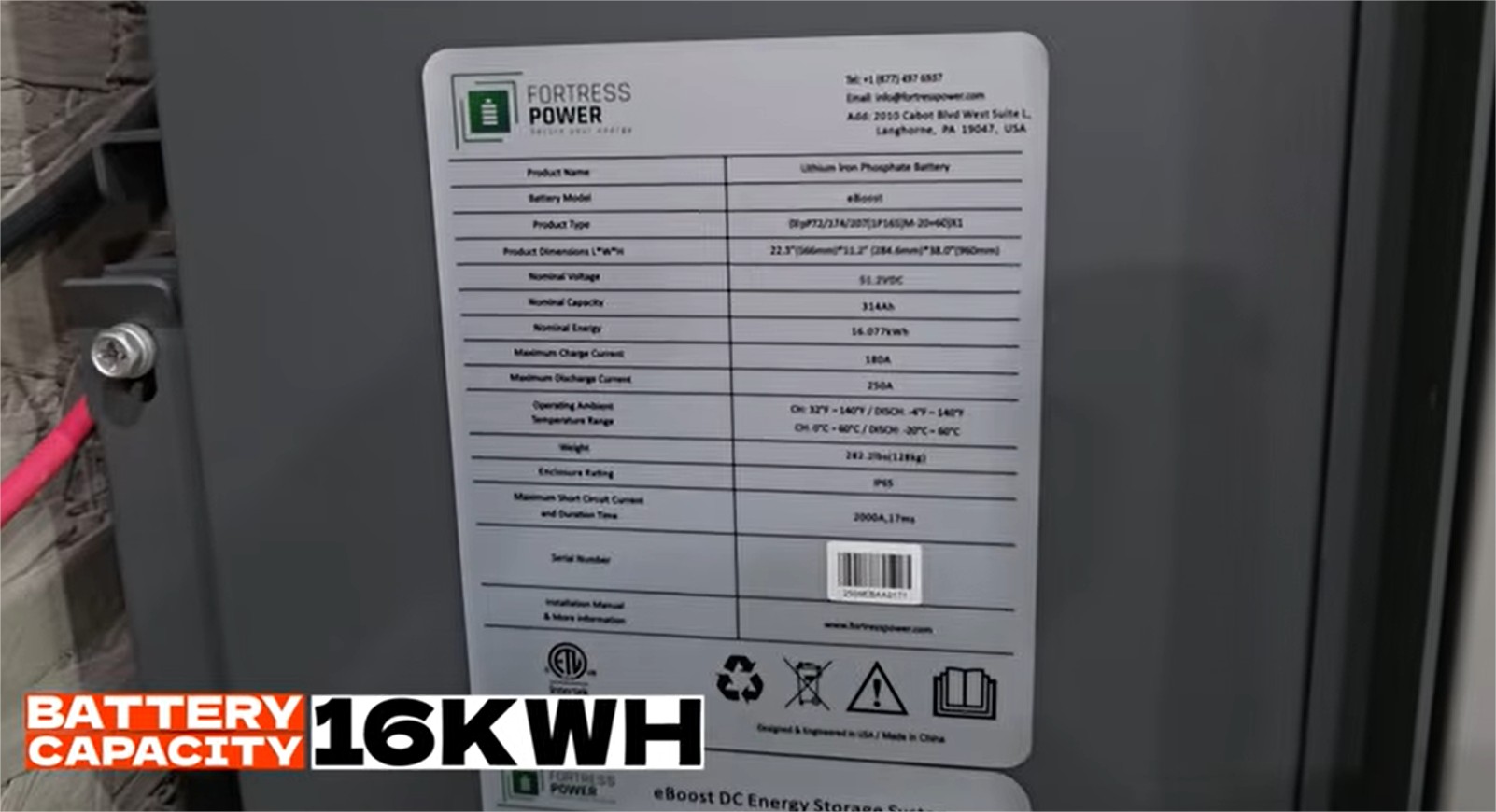
The eBoost 16kWh battery paired with this system deserves special mention. Fortress didn’t just focus on capacity—they focused on mechanical design and long-term usability.
One feature I absolutely loved was the adjustable rolling feet. Moving a 16kWh battery is not fun, but Fortress made it surprisingly manageable. Once positioned, the feet lock down solid and level the battery properly.
I also opened the battery (not recommended for users) to inspect internal build quality, and the craftsmanship was excellent. Everything was secured, ventilated, clearly labeled, and quality-checked.
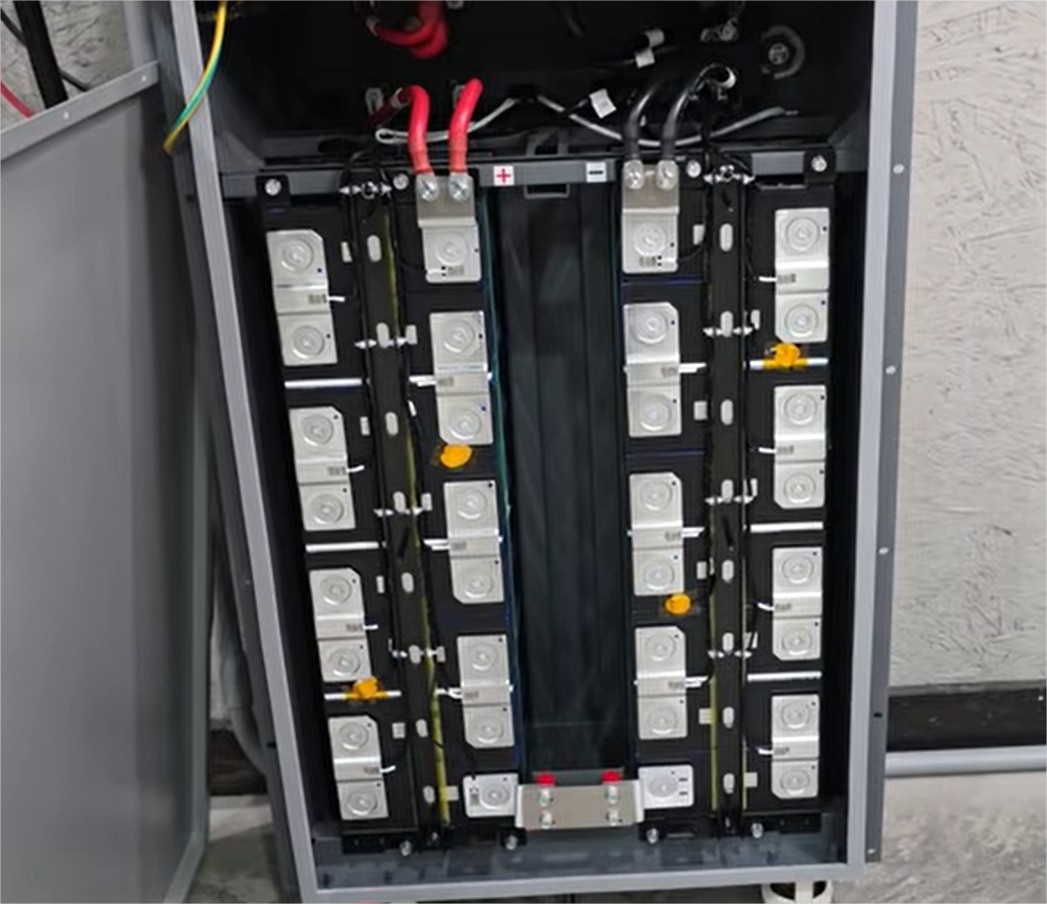
Inside the eBoost battery, I found:
- Properly welded connections and clean bus bars
- Neat sensor wiring with clear routing
- Solid mounting brackets and internal supports
- Grounded metal enclosure with weather protection
This is where Fortress Power Solo 6.5 really separates itself—this isn’t just about capacity, it’s about long-term reliability and safety.
App Control, Support Experience, and Daily Usability
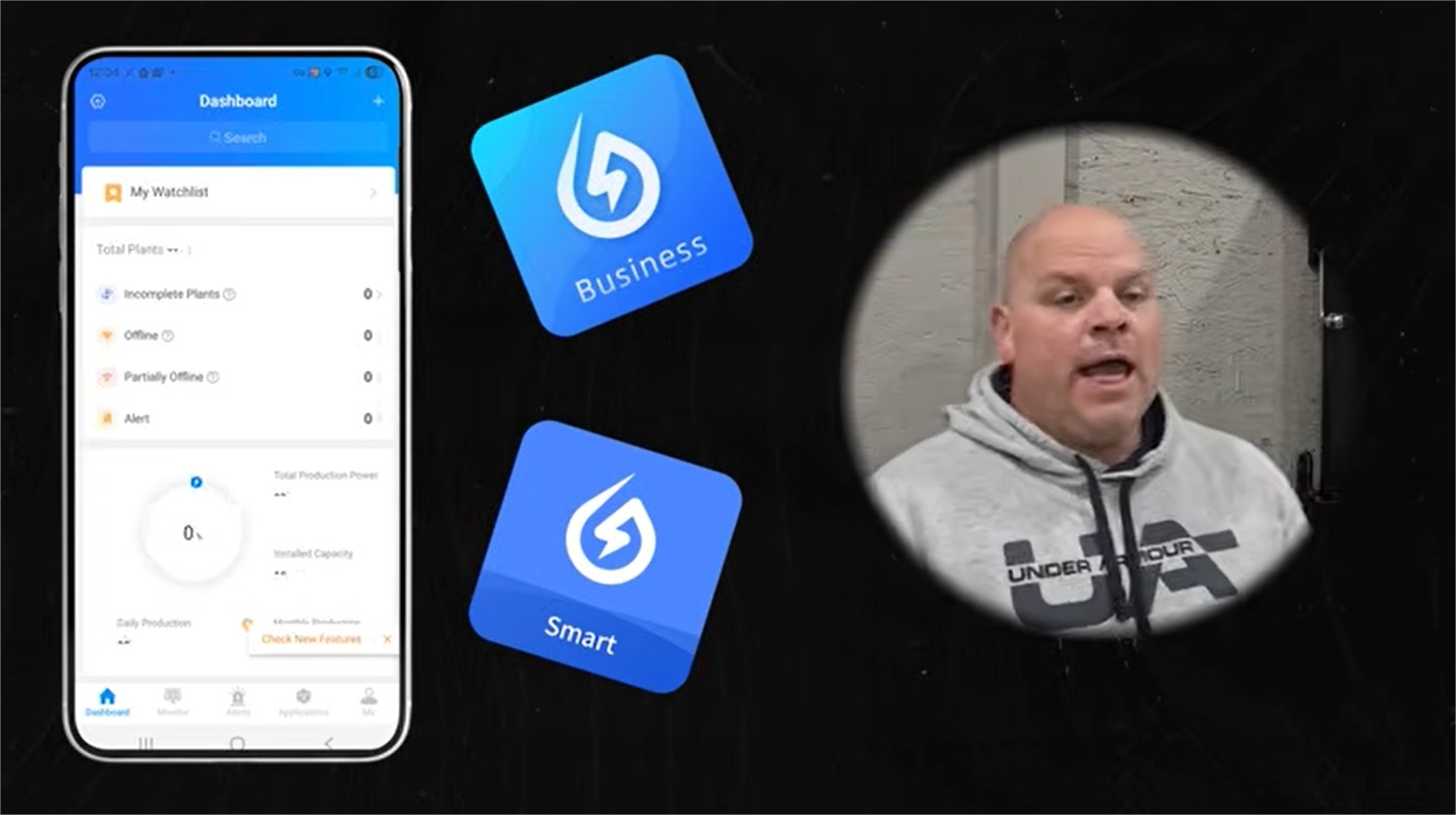
The Fortress Power Solo 6.5 uses the SolarMan app rather than a proprietary Fortress app, and while that may sound odd at first, it actually works well. I recommend the Business version if you’re self-installing—it gives far more control and visibility.
The interface isn’t flashy, but it’s functional and reliable. I was able to monitor output, charging behavior, and system status remotely without any headaches.
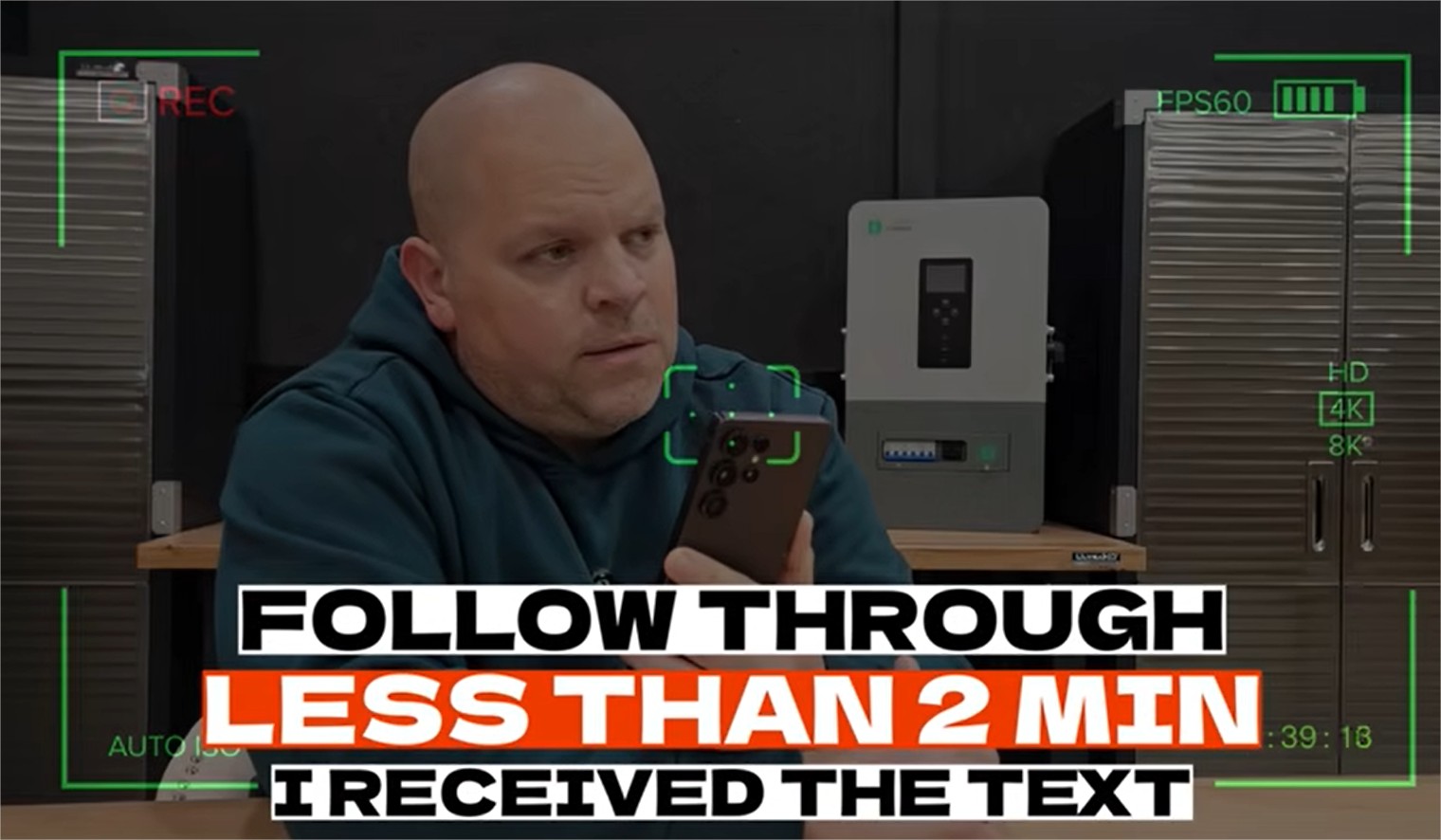
Where Fortress truly shines, though, is support. I tested this first-hand by calling them directly—and they answered. No tickets, no waiting days for an email reply. That level of support adds real value, especially for systems expected to run for years.
Noise Levels and Real-World Placement Considerations
No inverter in this class is silent, and the Fortress Power Solo 6.5 is no exception. Under light load, it’s barely noticeable. When charging hard or running near full output, you will hear it—but it’s controlled and not harsh.
I tested it in a reflective environment with concrete floors and wood walls, and even there, the noise was manageable. In a utility room or garage, it wouldn’t be an issue for most users.
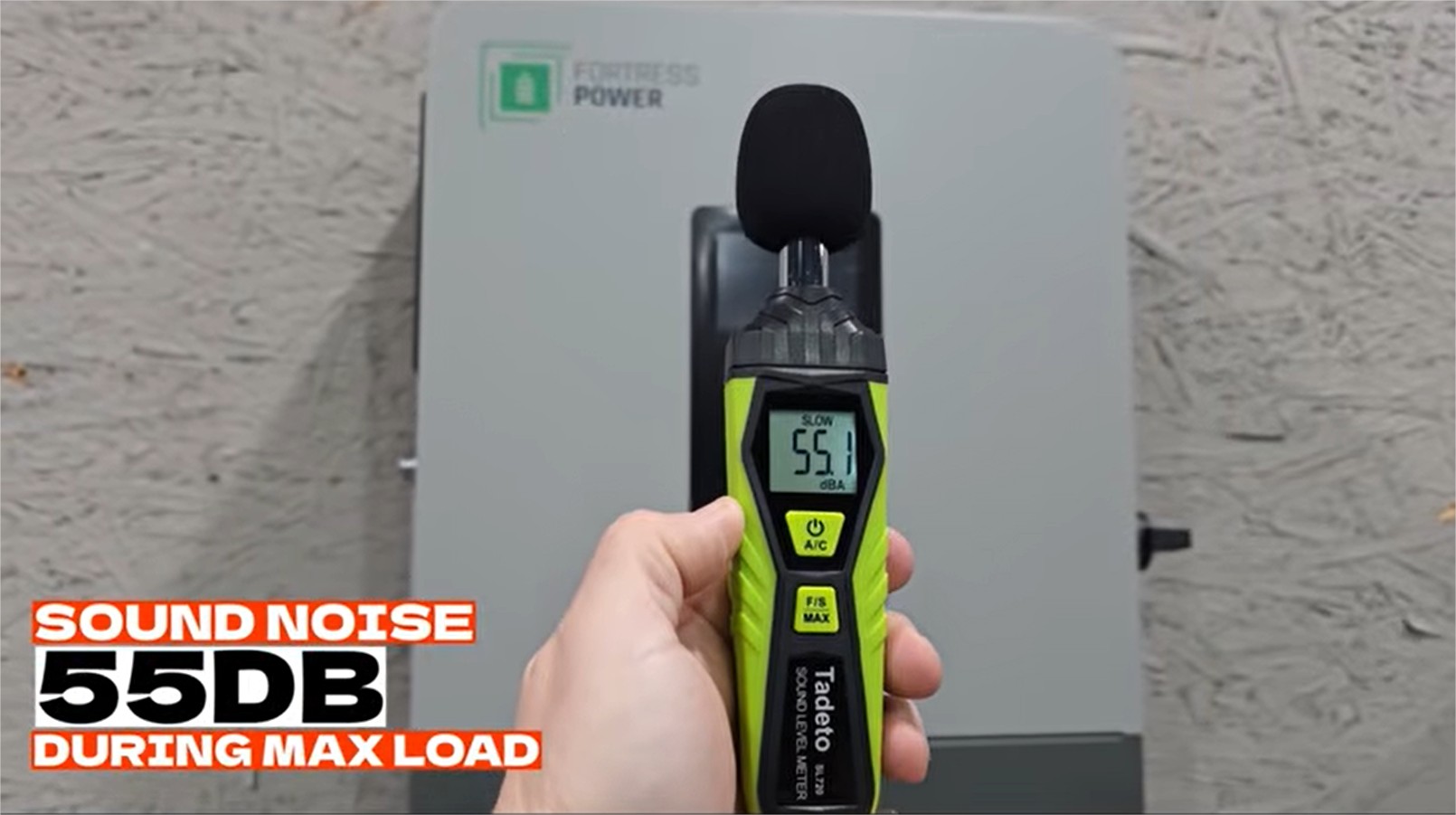
Noise observations:
- Audible at high load or heavy charging
- Not silent, but far from disruptive
- Suitable for garages, basements, or utility rooms
It’s a fair trade-off for the power and reliability this inverter offers.
Final Verdict: Who the Fortress Power Solo 6.5 Is Really For
After extensive testing, I see the Fortress Power Solo 6.5 as one of the best choices for users who want serious performance without jumping into a full utility-scale system.
It’s not designed for grid export, and it’s not trying to be everything for everyone—but what it does, it does extremely well.
I recommend the Solo 6.5 if you want:
- Reliable split-phase 120/240V power
- A clean off-grid or hybrid backup solution
- Strong build quality and real customer support
- Expandability without unnecessary complexity
If your energy needs grow beyond this, Fortress’ larger systems are a natural upgrade. But for many homes, cabins, and workshops, the Fortress Power Solo 6.5 hits a sweet spot that’s hard to ignore.