


When I first set out to expand my solar power setup, I ran into a frustrating wall—local regulations. In my area, installing inground solar mounts isn’t as simple as just putting them up. They require strict height compliance and multiple permits. After my attempt to get approval for a solar wall fell through, I started searching for alternatives. That’s when I discovered the Chiko Solar Carport Gazebo Pergola—a system designed to sidestep common permitting issues while still delivering a strong, professional-grade solar structure.
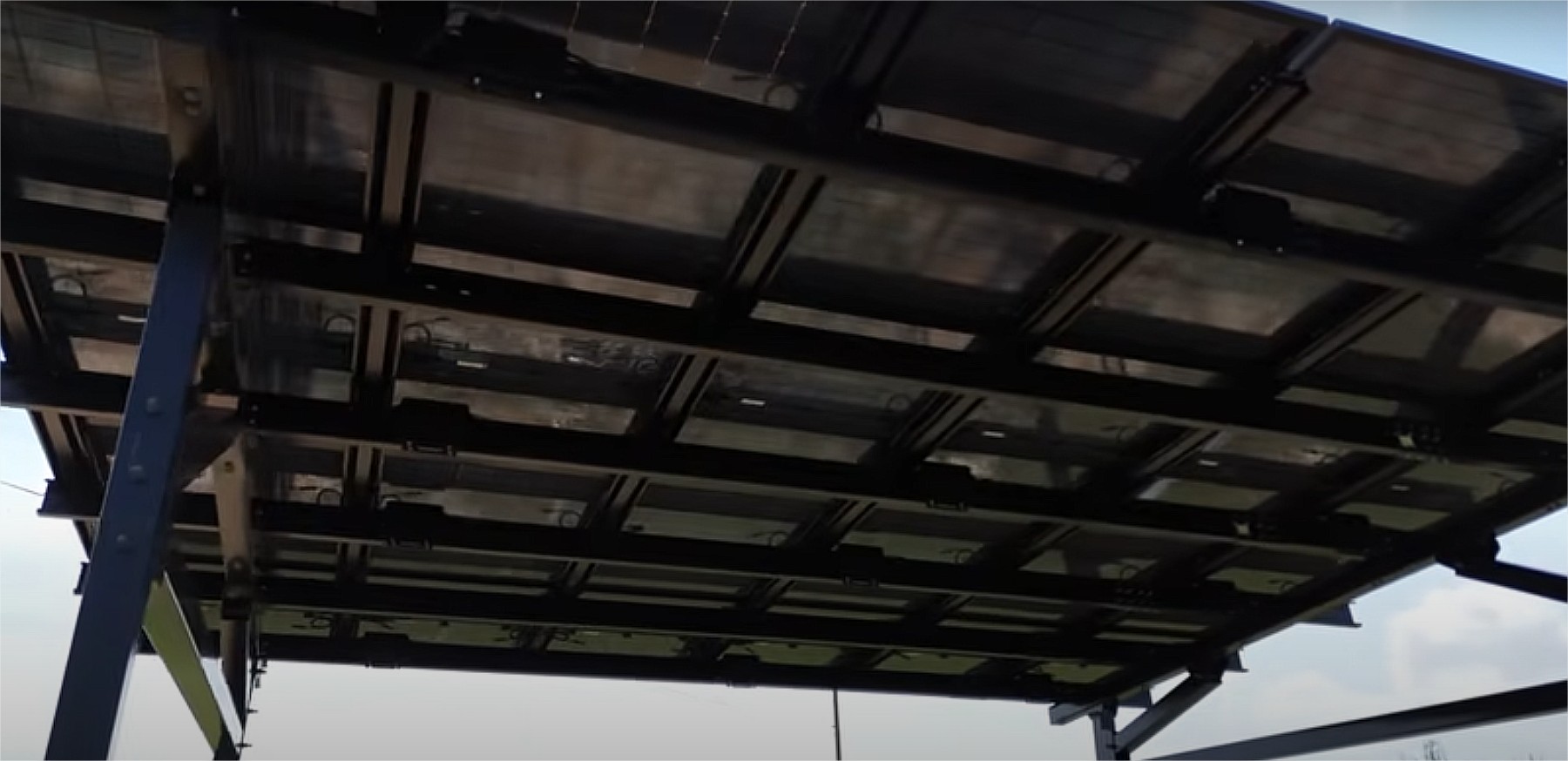

The moment I learned it came in 1, 2, and 4-car sizes, I knew it could fit both my energy needs and my property layout. What I didn’t expect was how much this installation would teach me about structure, precision, and planning.
Navigating the Permitting Roadblocks
Dealing with solar permitting can be one of the most time-consuming parts of the process. Many cities have rules that make ground-mounted panels almost impossible without extensive paperwork and inspections. The Chiko Solar Carport offered me a loophole—not by cutting corners, but by meeting code requirements in a smarter way.
Because it’s a freestanding, engineered structure, inspectors approved it without the headaches that come with ground arrays. This wasn’t just a win for me—it’s a game-changer for anyone in an area with restrictive solar laws.
Key benefits here were:
- No complicated zoning variances
- Meets code as a permanent structure
- Passes inspections more smoothly than inground solar
Building the Foundation: Over-Engineering for Strength
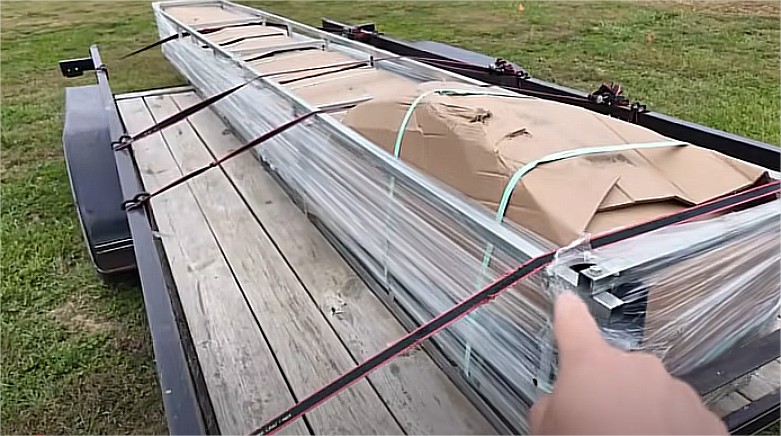

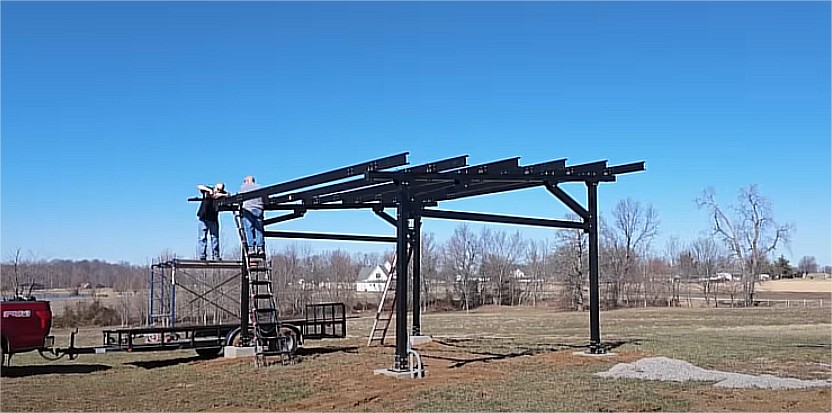
The installation began with unloading a massive 2,200 pounds of equipment. Before even thinking about the panels, I needed to build custom concrete footers.
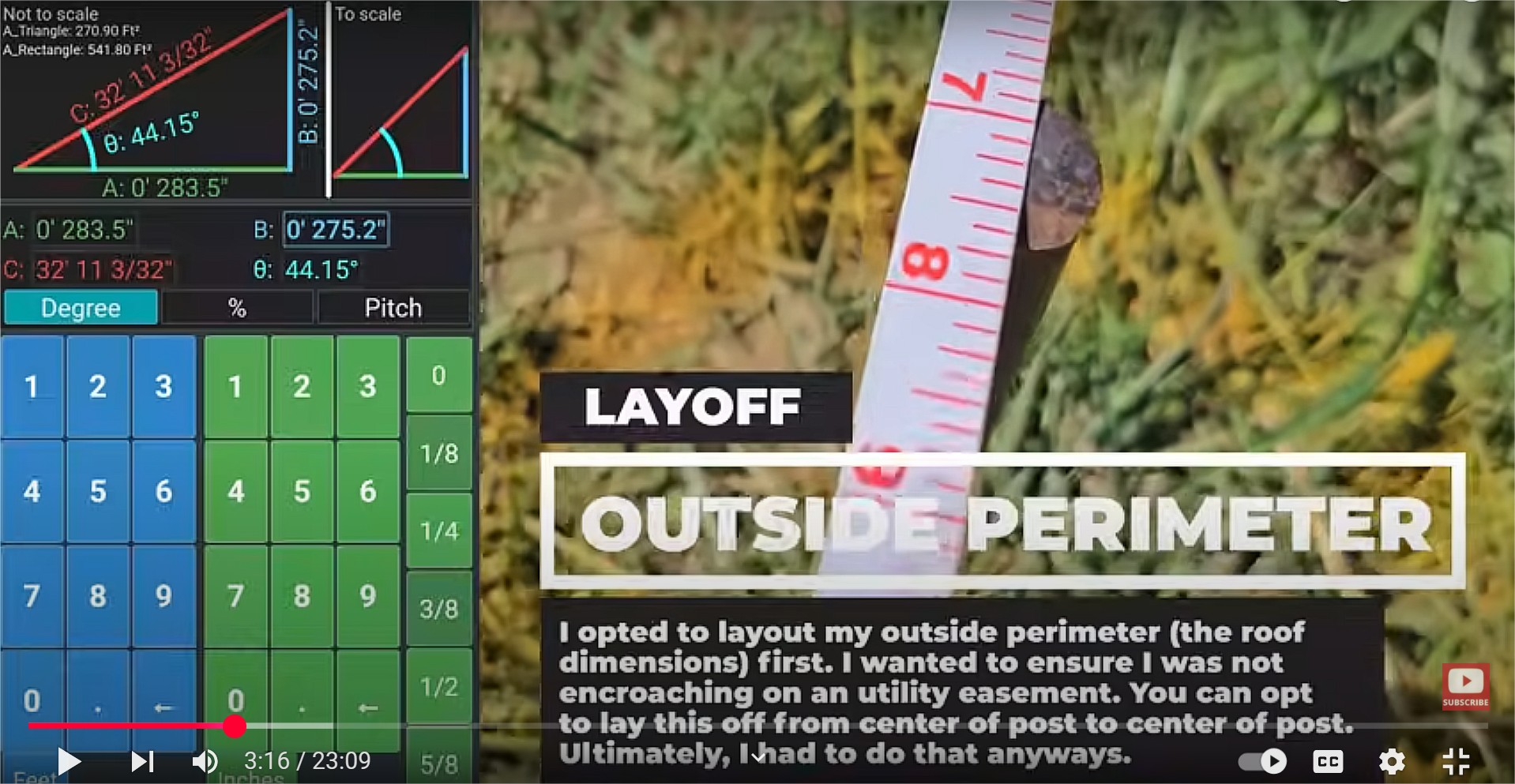

Instead of just following the basic code requirements, I went beyond—adding thick hog fencing and #4 rebar for reinforcement.
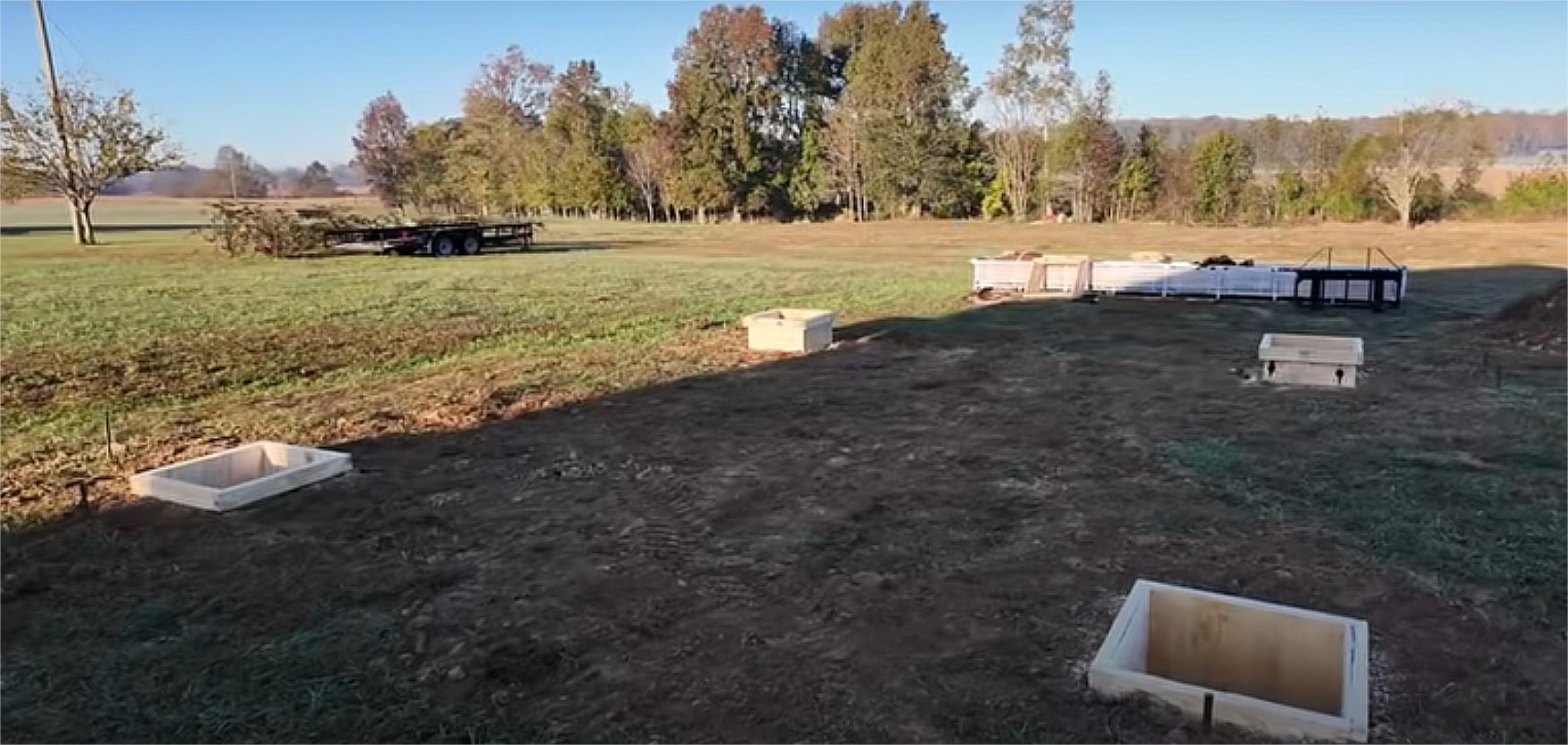

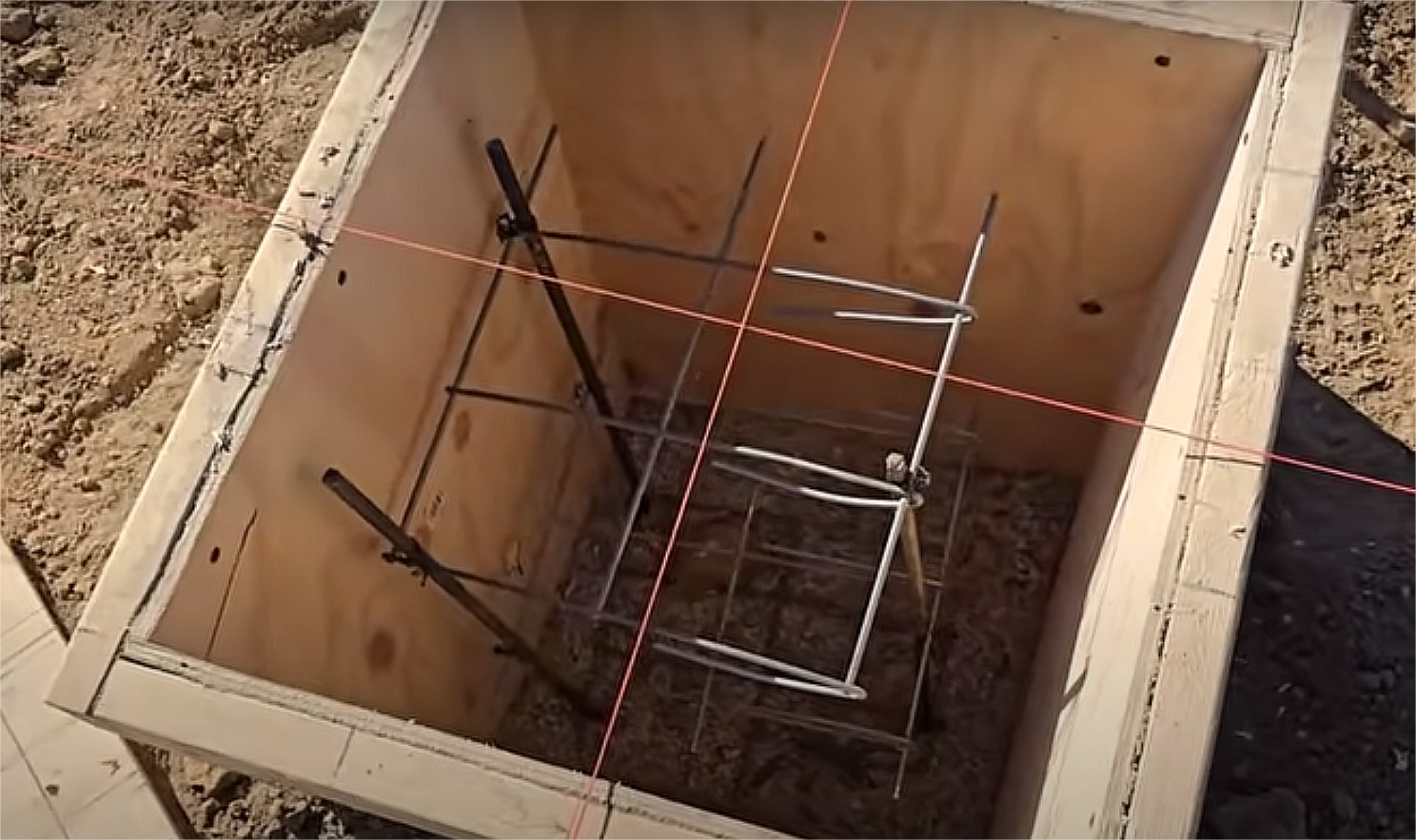

Why? Because a solar carport isn’t just a shade structure—it’s a heavy, high-value energy system that must withstand wind, snow, and time. Overbuilding the foundation gives me peace of mind knowing the structure will stay solid for decades.
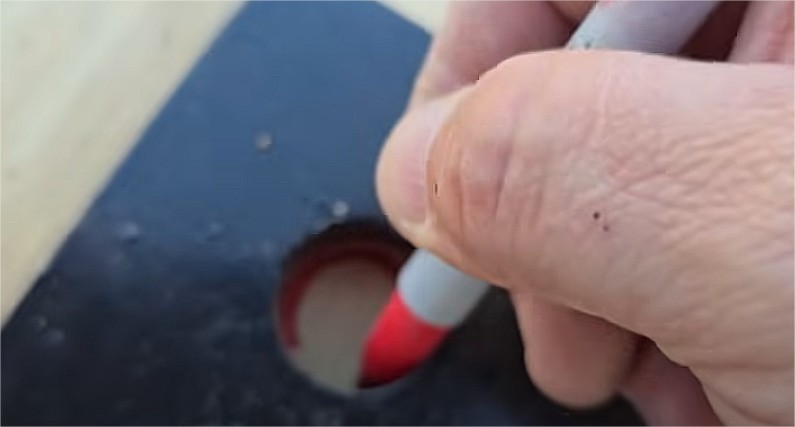

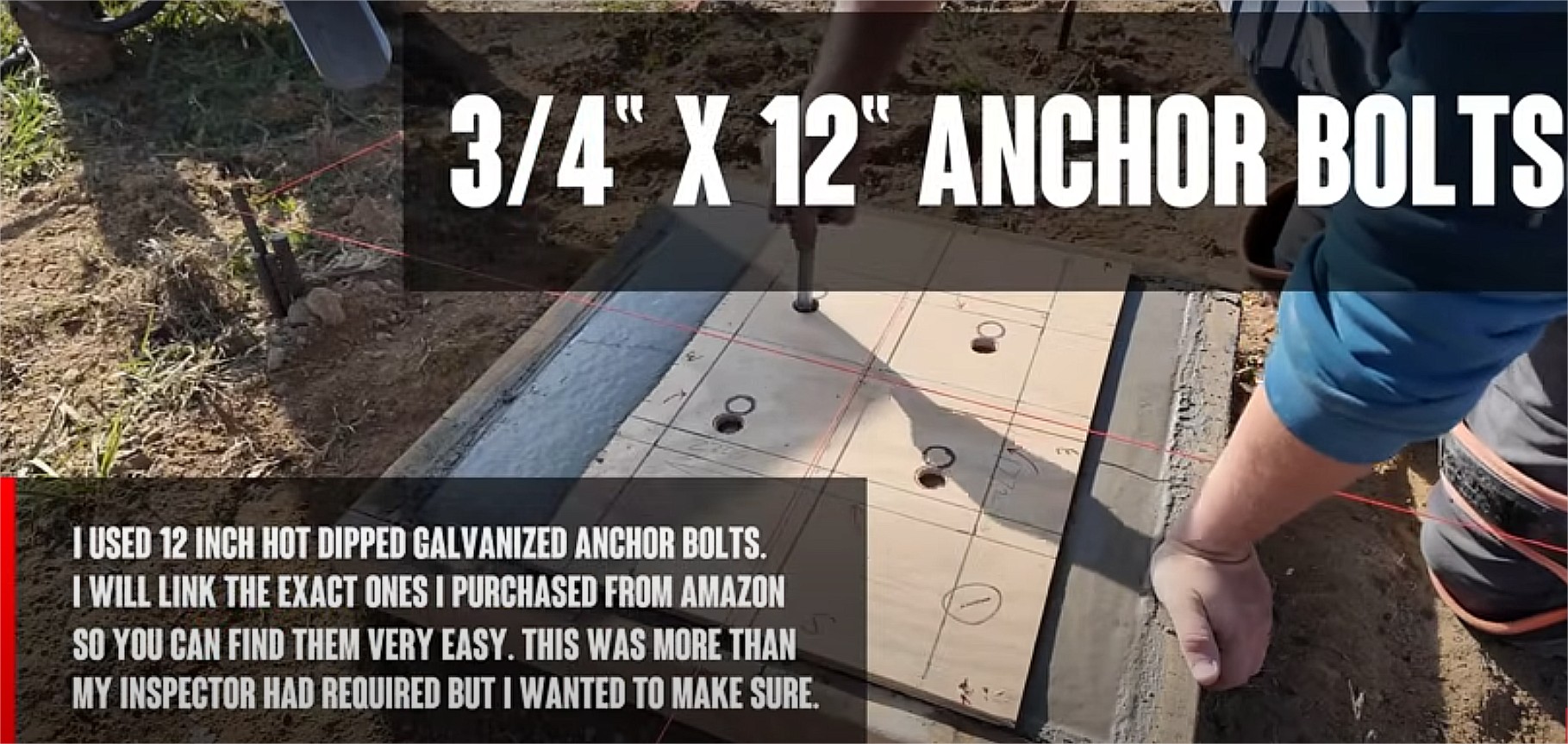
Foundation tips I followed:
- Used templates for precise anchor placement
- Ordered a concrete truck for efficiency
- Reinforced footers beyond code for added stability

Lessons Learned from a Major Mistake
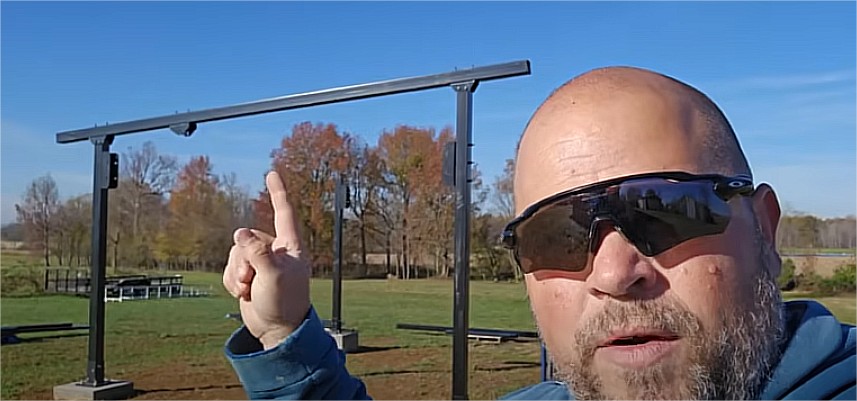

Here’s where I admit my big misstep. During the build, I installed a critical beam backward. It might sound minor, but the beam’s weight made it a nightmare to fix. I had to remove and reinstall it with extra help, costing me both time and energy.
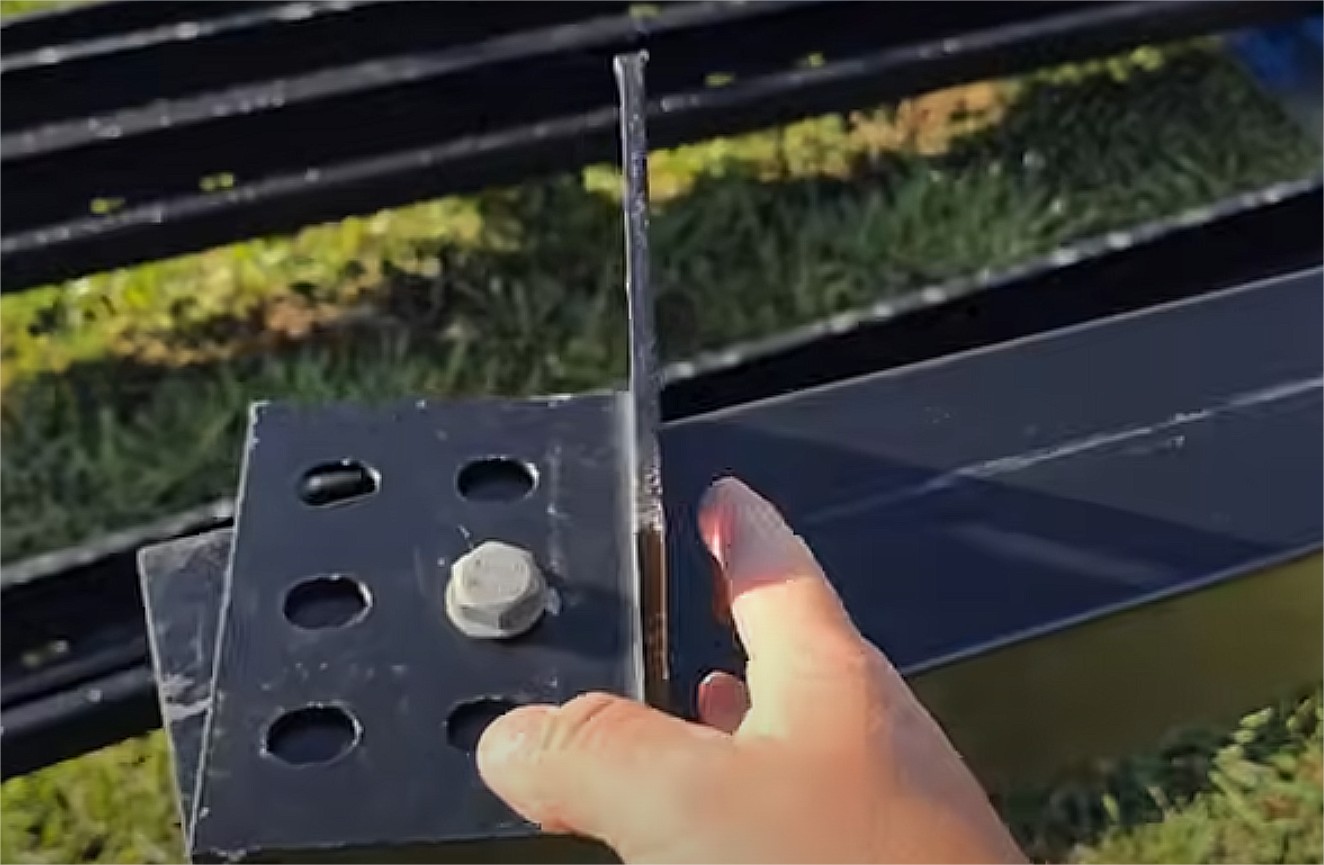

This mistake taught me 2 important lessons:
- Review the installation manual twice before each major step.
- Don’t try to lift or place heavy beams alone—ever.
Solar carports are not a one-person DIY project. Even if you have the skills, the weight and precision involved make it essential to have help—or better yet, a small crew.


Panel Mounting Precision
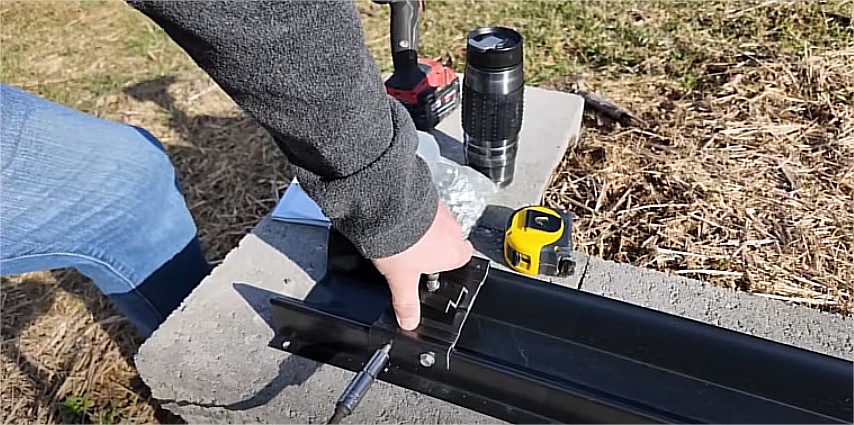

Once the main structure was in place, I moved on to installing the channel beams and mounting rails. This is where accuracy matters most. If your rails aren’t perfectly aligned, your panels won’t sit correctly, which can cause long-term performance and structural issues.
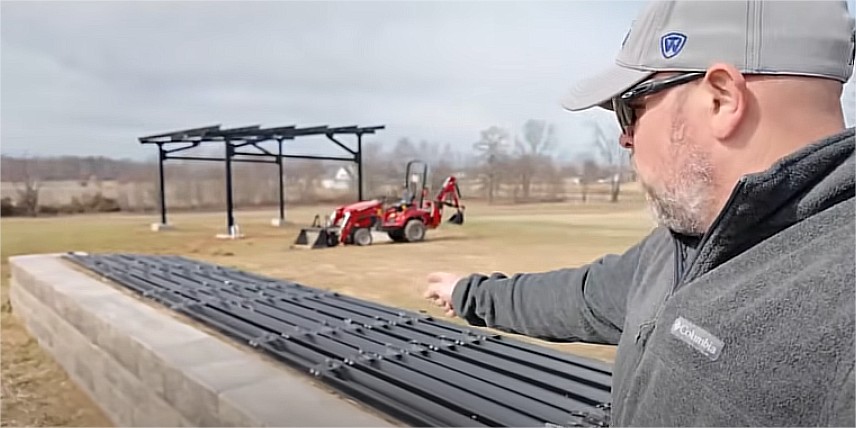

For my setup, I used Series 415W bifacial panels, which are slightly larger than standard. That meant precise lap joints and exact spacing were non-negotiable. The Chiko system made this process easier by supporting multiple panel types and sizes, as well as different electrical configurations like microinverters or DC optimizers.
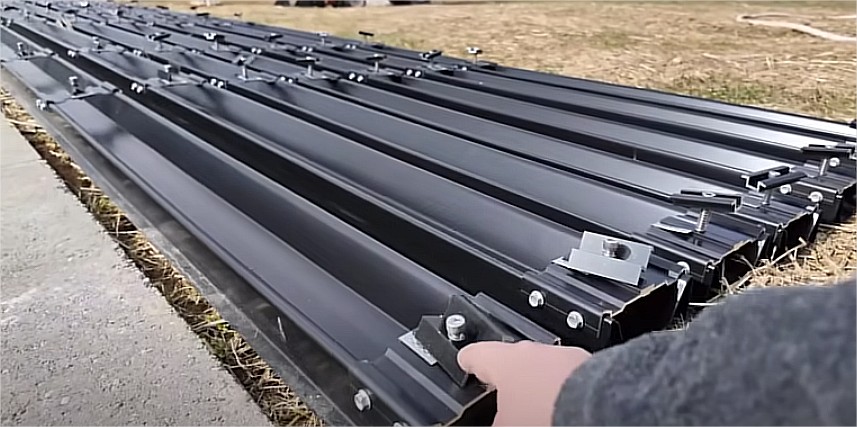

My alignment checklist:
- Measure twice before drilling
- Keep rails level and evenly spaced
- Ensure correct lap overlap for panel stability

Electrical Integration: Ready for the Next Step
Even though this part of the video build didn’t go into wiring in depth, I’m already planning my next move—switching from Enphase to Hoymiles microinverters. The Chiko carport’s modular design makes electrical integration flexible, meaning I can adapt it to future upgrades without major rework.
This is crucial because technology changes fast. By choosing a system that supports multiple inverter and optimizer options, I’m future-proofing my investment. In the next phase, I’ll walk through the wiring process and how I optimized it for both performance and safety.
Aesthetic and Functional Win
When the final bolts were tightened, I stood back and admired the result. The Chiko Solar Carport isn’t just functional—it looks good. Its design blends into the property, adds shaded parking, and houses a high-performance solar array.
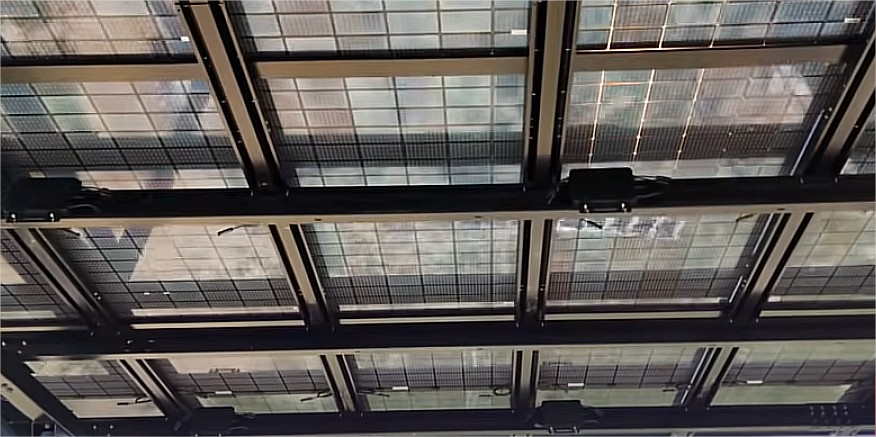

Solar installations are no longer just about energy production; they’re part of your home’s visual appeal. I wanted something that didn’t look like an industrial add-on, and the Chiko system delivered exactly that.
End results that stood out:
- A professional, modern appearance
- Dual-purpose as shade and energy source
- Code-compliant and structurally robust
Final Thoughts: Is the Chiko Solar Carport Worth It?
After going through this process from start to finish, I can confidently say—yes. If you’re in an area with strict solar permitting or you simply want a clean, multi-functional structure for your solar panels, this is a fantastic choice.
That said, it’s not a project to take on lightly. The weight, precision, and coordination required make it a team effort. But the payoff—a permit-friendly, attractive, and durable solar structure—makes it more than worth the effort.
Why I recommend it:
- Solves permitting challenges
- Built to last with over-engineered foundations
- Flexible panel and inverter compatibility
- Aesthetic appeal plus energy production
My Key Takeaways for Anyone Considering a Solar Carport
- Check local permitting rules before choosing your system.
- Overbuild your foundation—future weather events will thank you.
- Have a crew ready for heavy lifting and beam placement.
- Measure with precision for rail and panel alignment.
- Choose a flexible electrical setup to keep your system upgrade-ready.
If you’re ready to make the leap into solar without the headaches of traditional mounts, the Chiko Solar Carport might be the solution you didn’t know existed. It’s part renewable energy, part architectural upgrade—and 100% satisfying to see come together.