


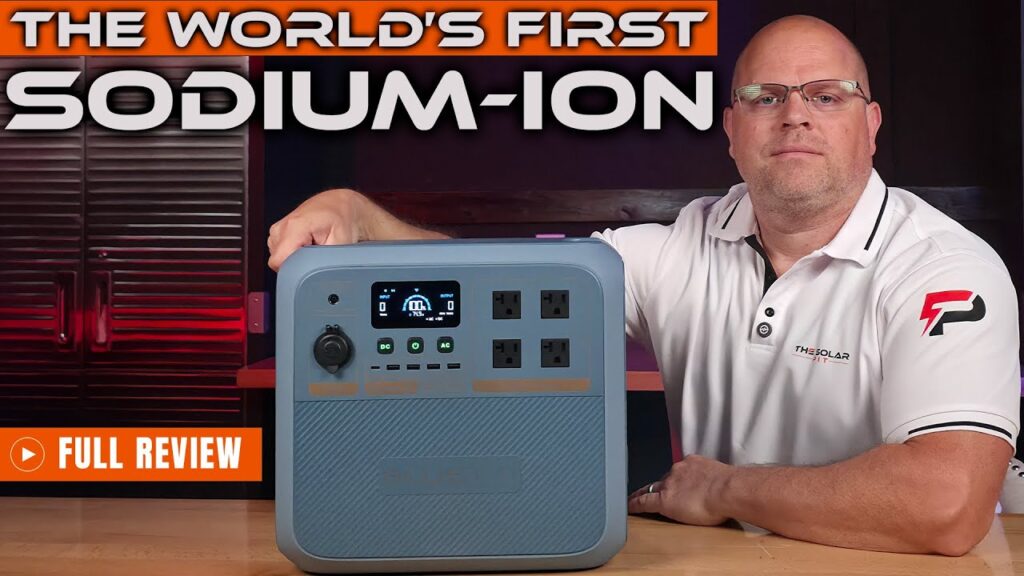
I’ve always relied on lithium-ion power stations for my backup energy needs, but when I came across Bluetti’s Pioneer Na, I knew I had to test it out for myself. This isn’t just another portable power unit—it’s the world’s first sodium ion power station, signaling a new era beyond lithium.
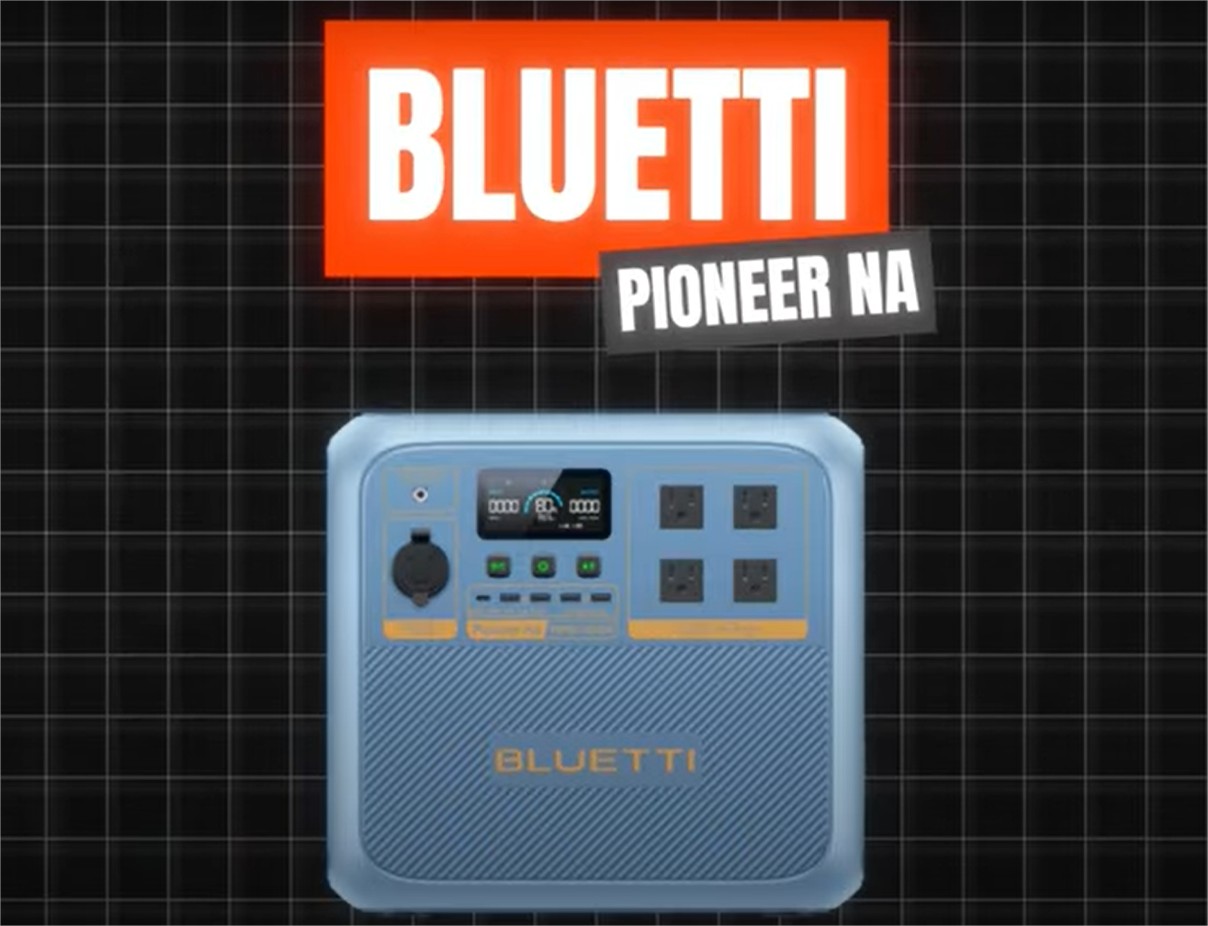

The idea intrigued me because sodium ion promises better cold-weather performance, faster charging, and exceptional safety features. After using the Pioneer Na for a while, I can confidently say this device delivers more than I expected. Let me share my first hand experience and why this feels like a real leap forward in portable power.

Why Sodium Ion Technology Feels Like a Game-Changer
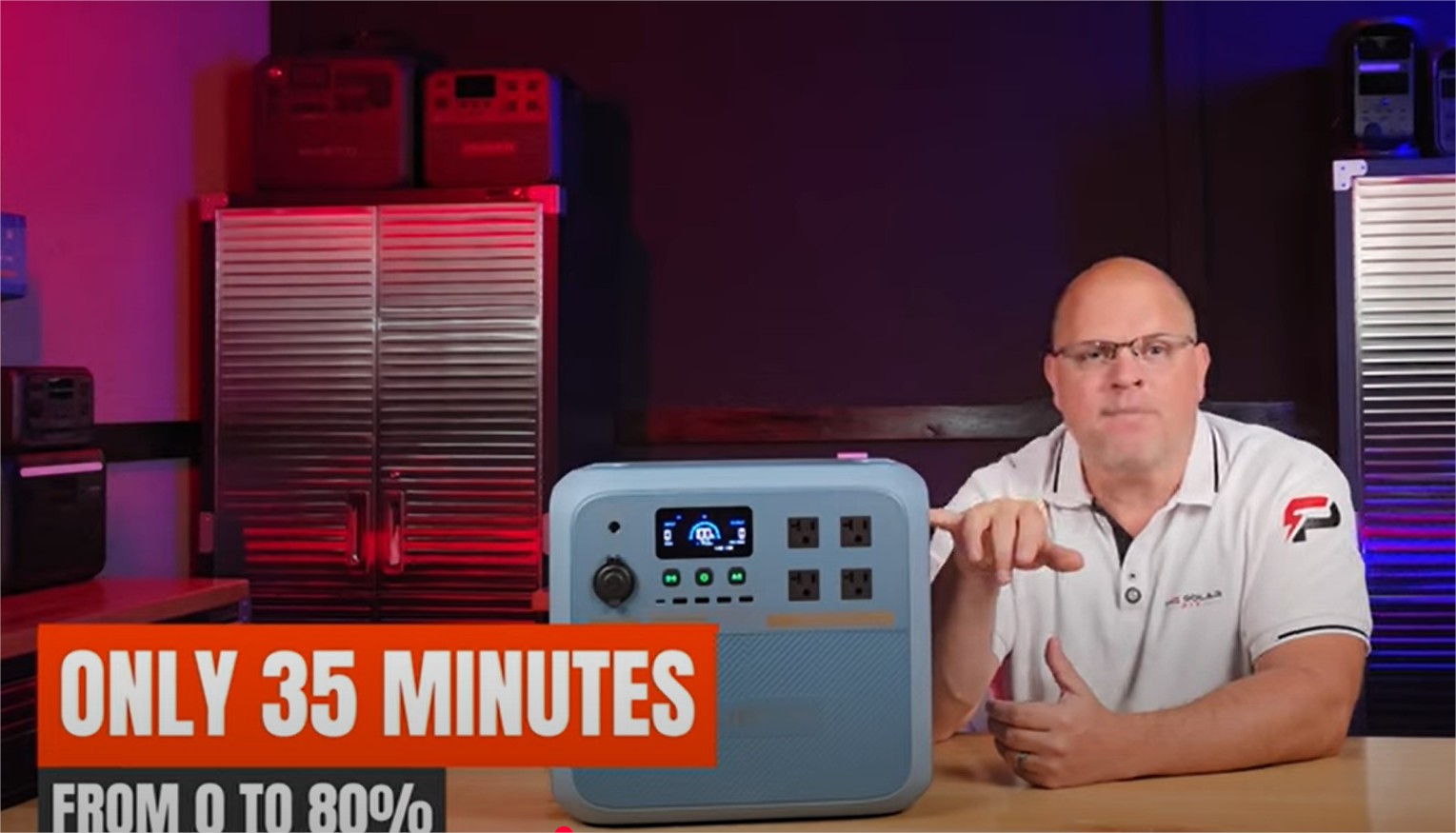
When I first heard about sodium ion batteries, I wondered how they could stand against lithium. But after testing, I was impressed by how aggressively they handle power. The Pioneer Na charges from 0 to 80% in just 35 minutes with dual AC and solar input—that’s crazy fast compared to most lithium systems I’ve used.

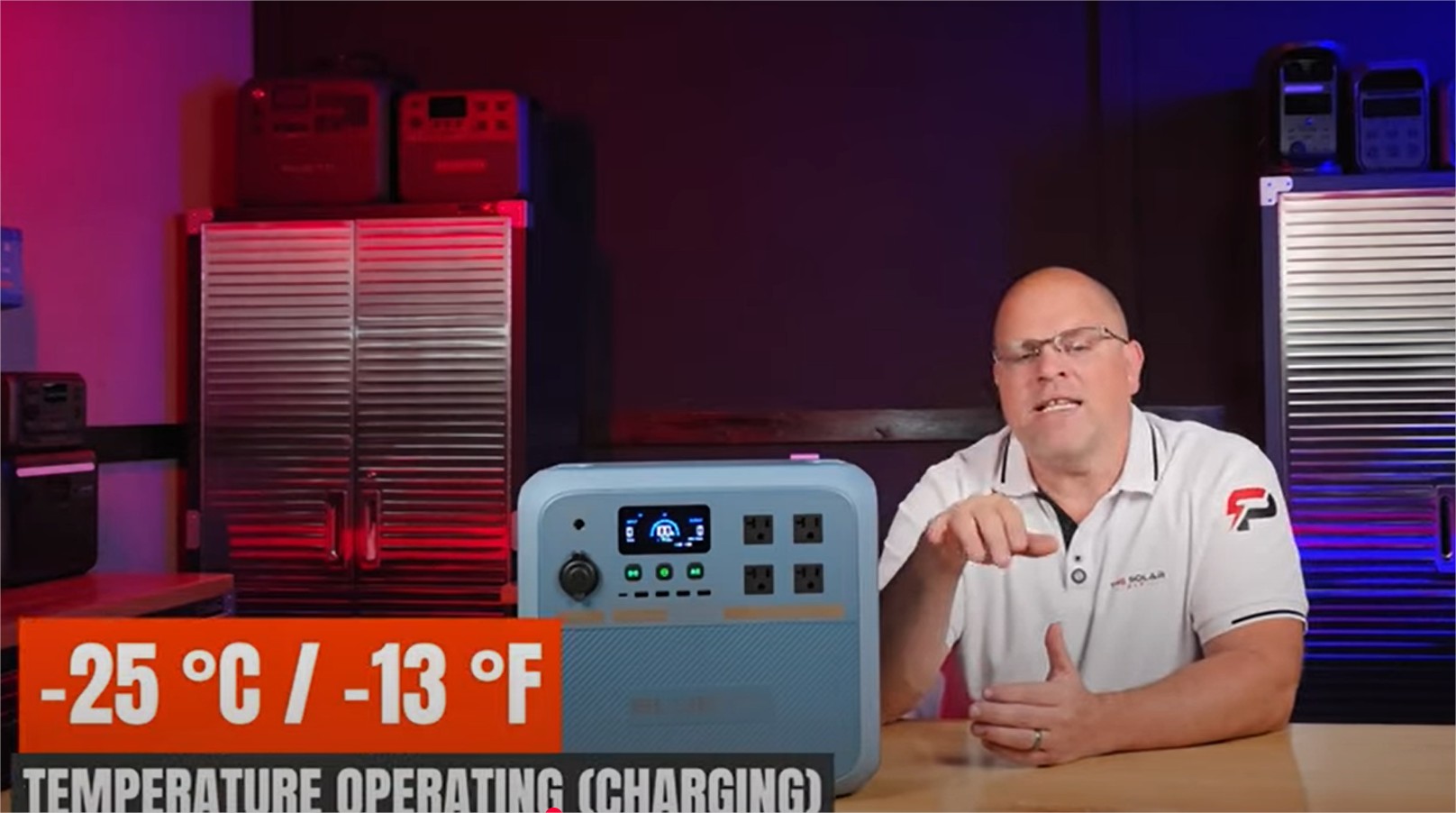
Even more interesting, sodium ion chemistry doesn’t flinch in freezing weather. I’ve tested it in temperatures as low as -25°C (-13°F), and unlike my lithium units that often require heaters, this one worked flawlessly. That’s a massive advantage if you camp, travel, or work outdoors in colder climates.

Key strengths I noticed:
- ⚡ Zero to 80% recharge in just 35 minutes
- ❄️ Stable output at extreme cold without heaters
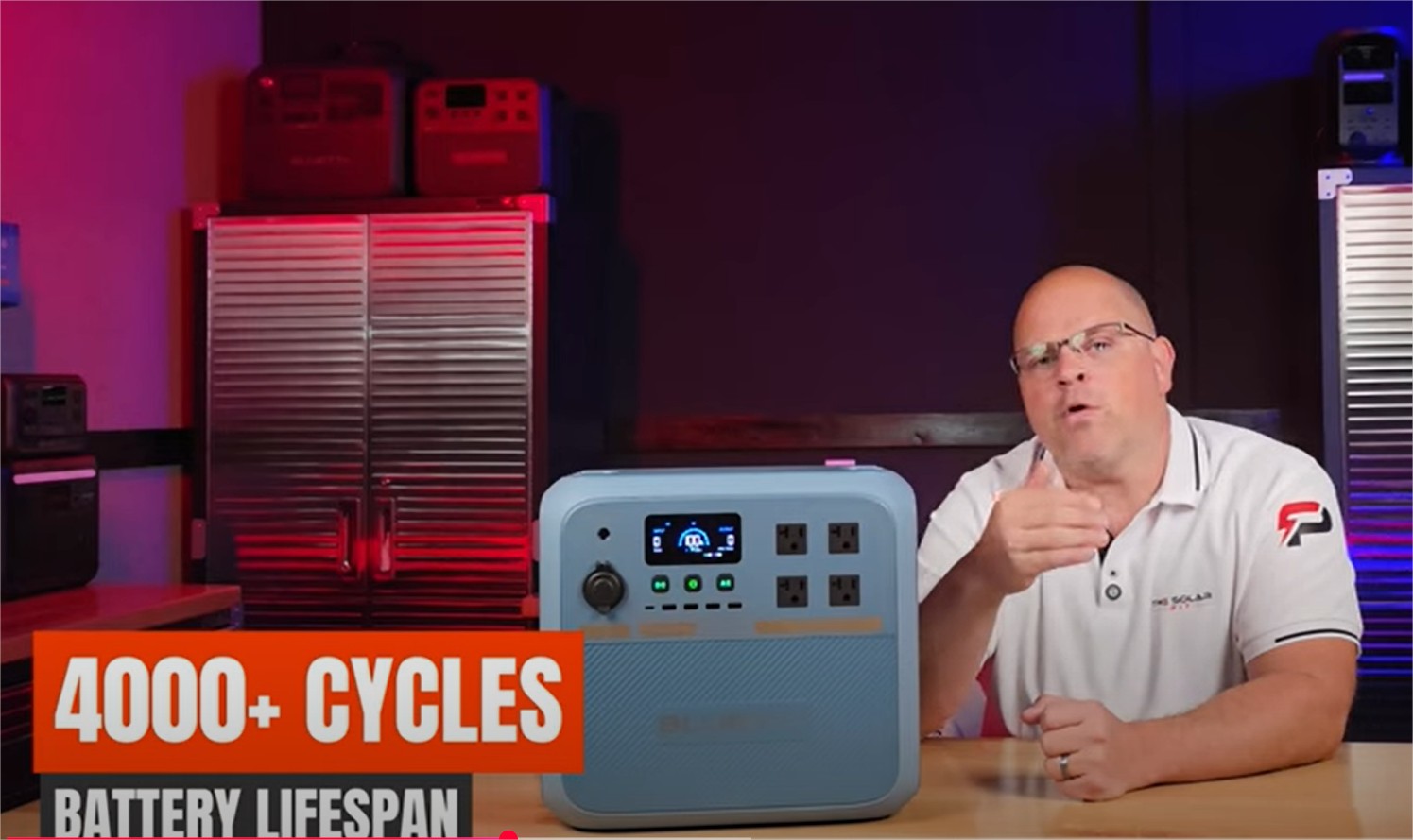
- 🔋 Over 4,000 charge cycles for long-term use
- 🛡️ Naturally safer chemistry with less thermal risk
Performance and Efficiency That Surprised Me
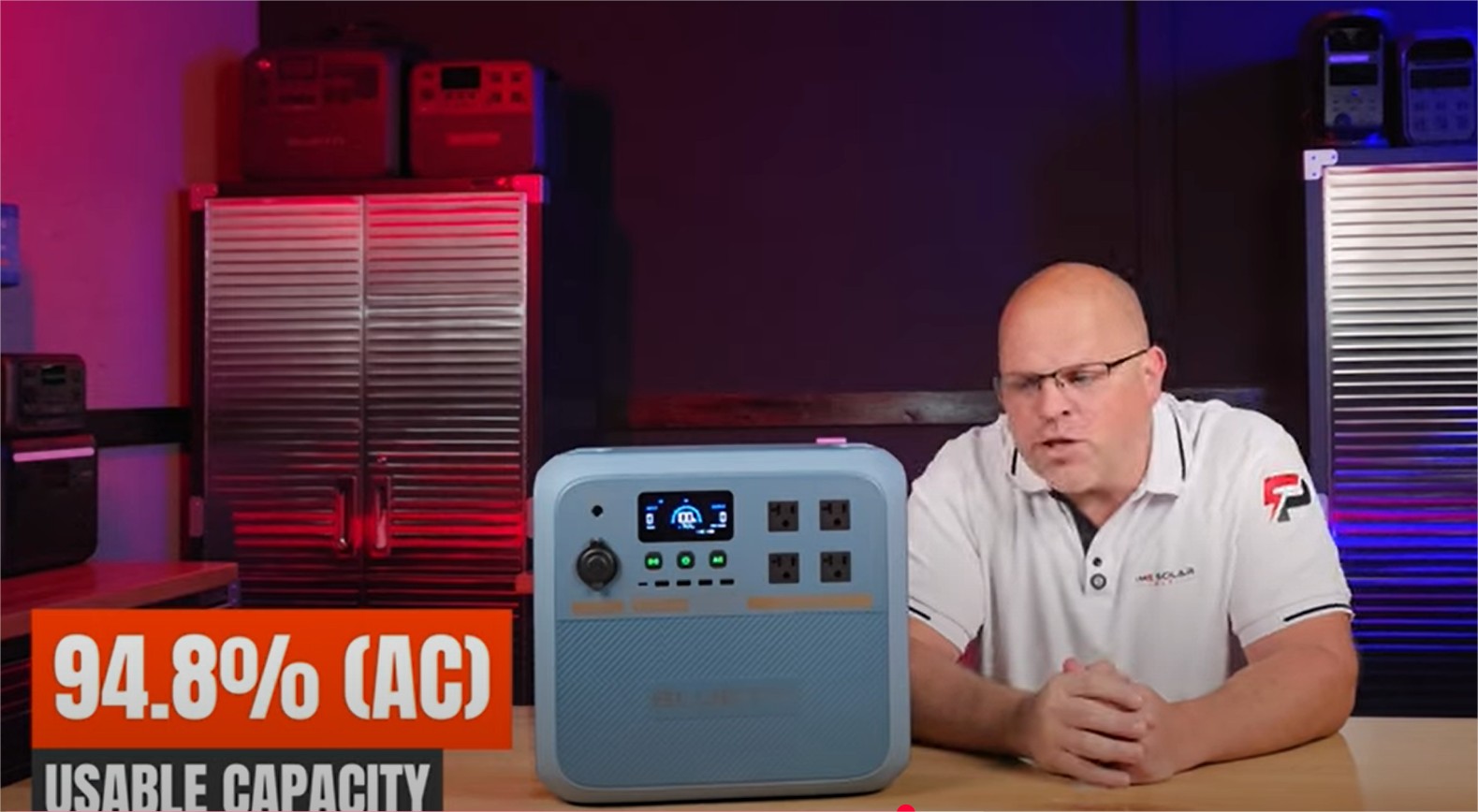

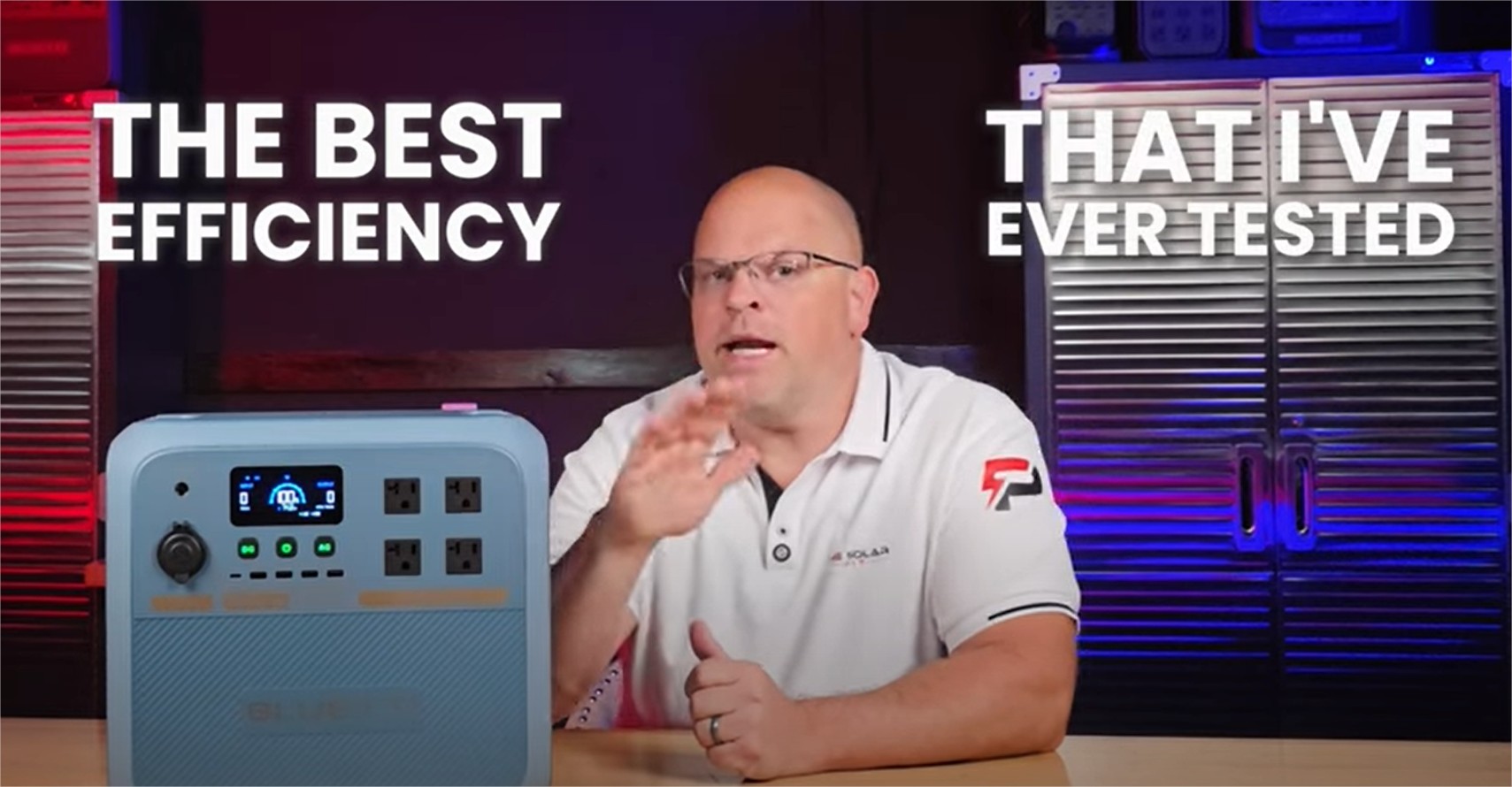
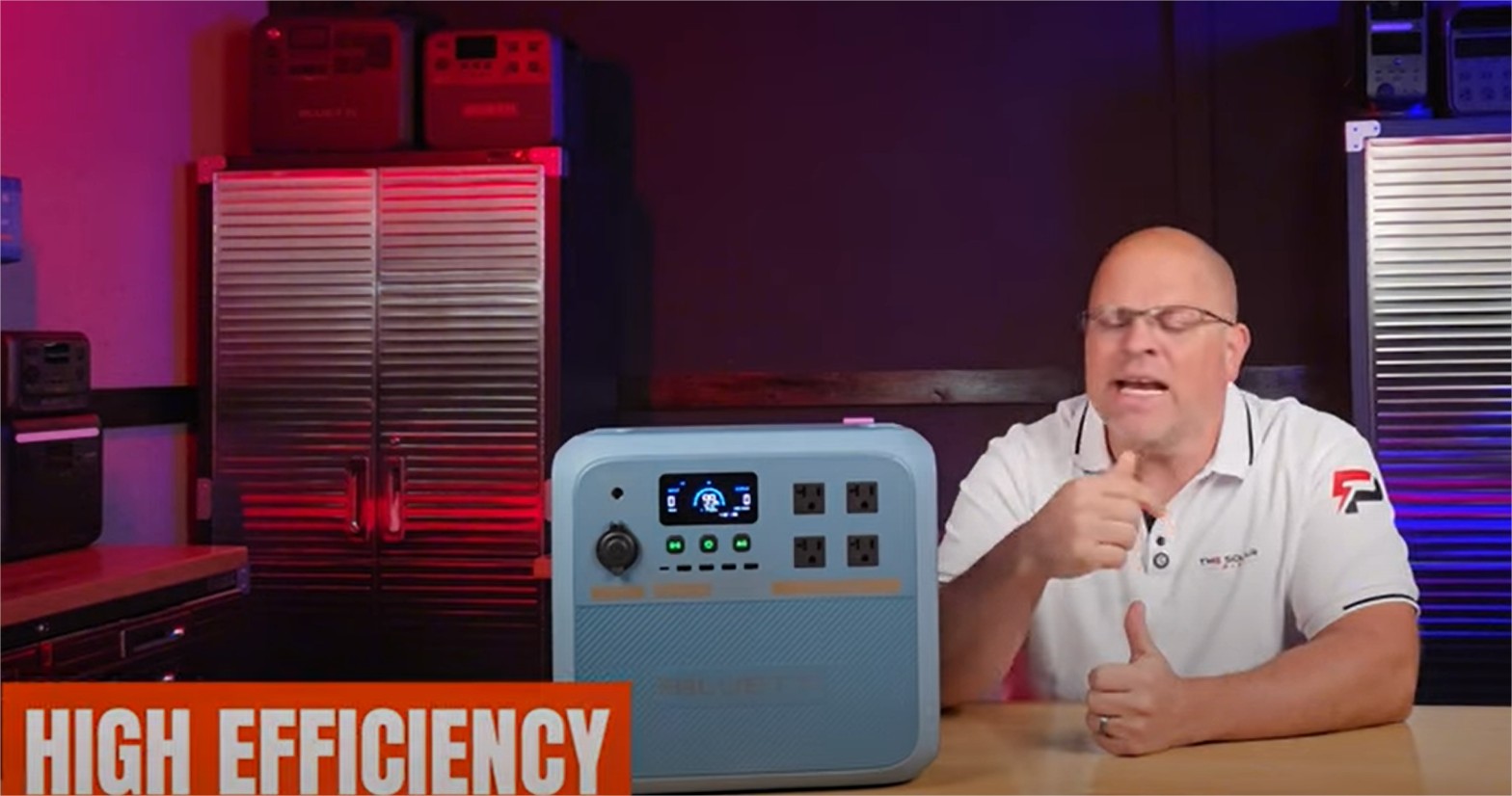
One of the biggest concerns I had was whether sodium ion could match lithium’s efficiency. Bluetti claims the Pioneer Na reaches 94.8% AC efficiency and 88.7% DC efficiency, and my real-world use backed it up. I ran tools, lights, and small appliances, and the energy loss was minimal.
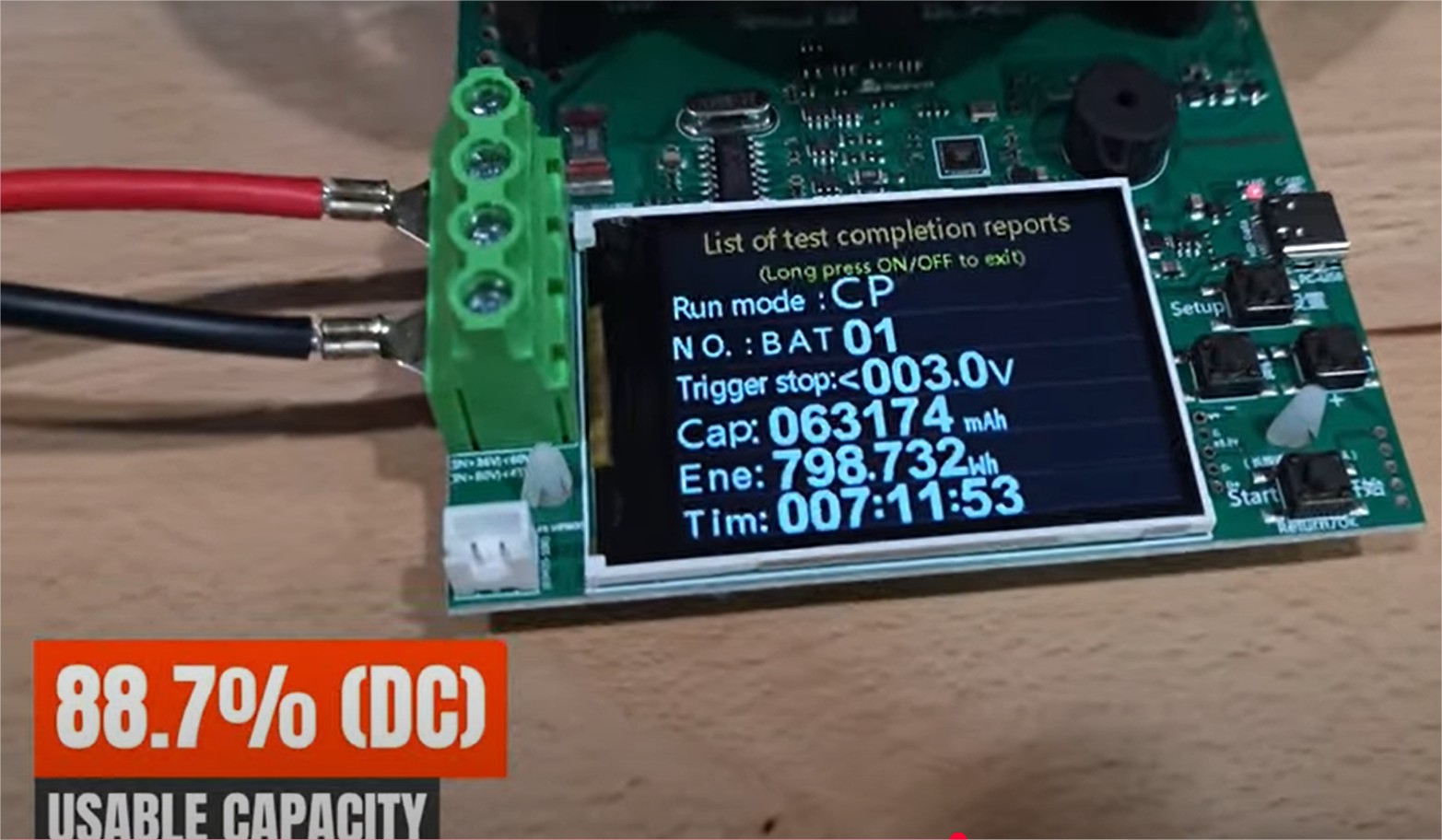

For comparison, most lithium systems I’ve tested hover around 85–90% efficiency. That may not sound like a big difference, but over months of use, it means more usable power per charge and less waste. The Pioneer Na really made me rethink what’s possible with portable energy storage.

Here’s what stood out:
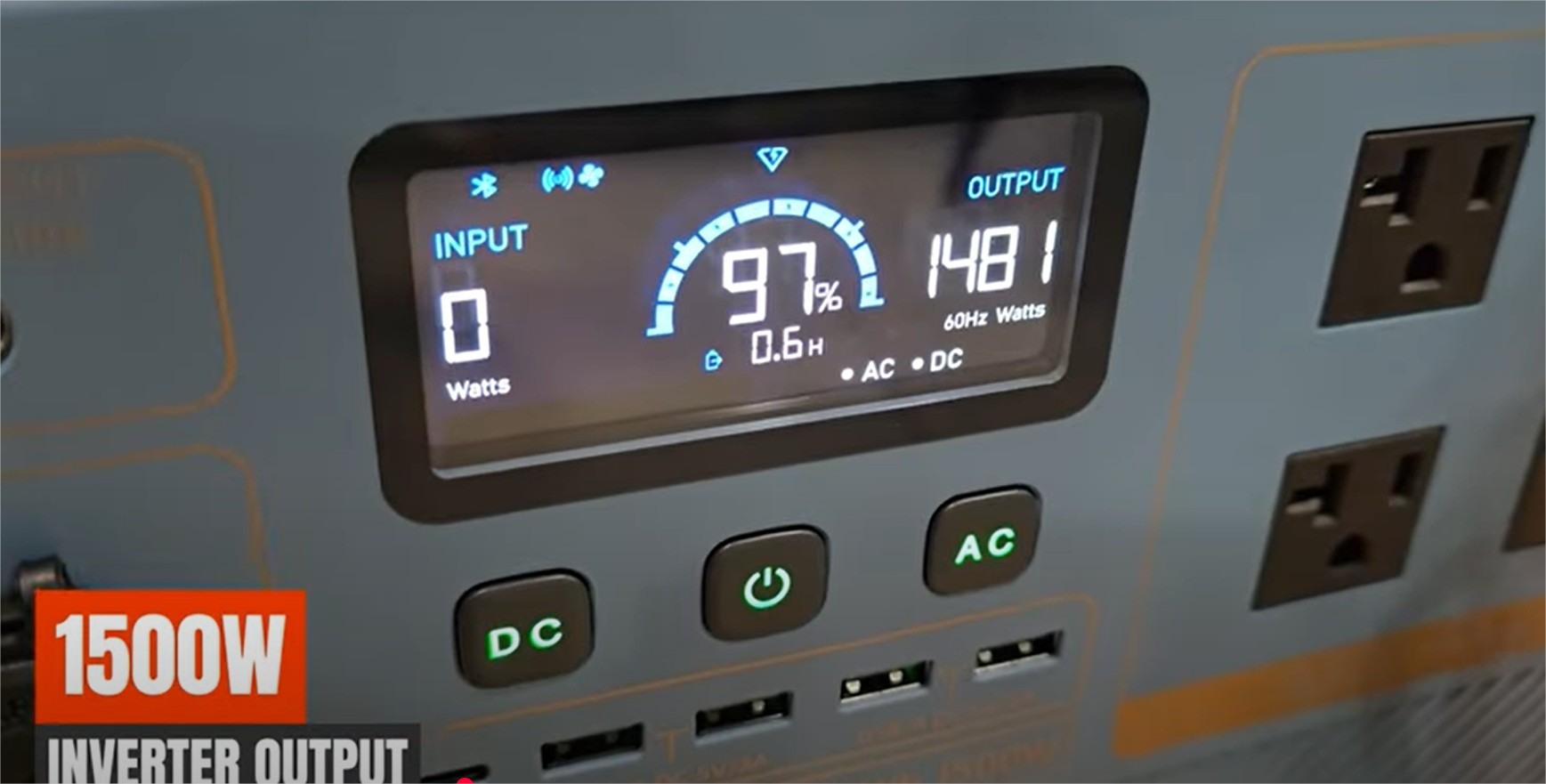
- ⚡ 1500W continuous output powered all my essentials without issue
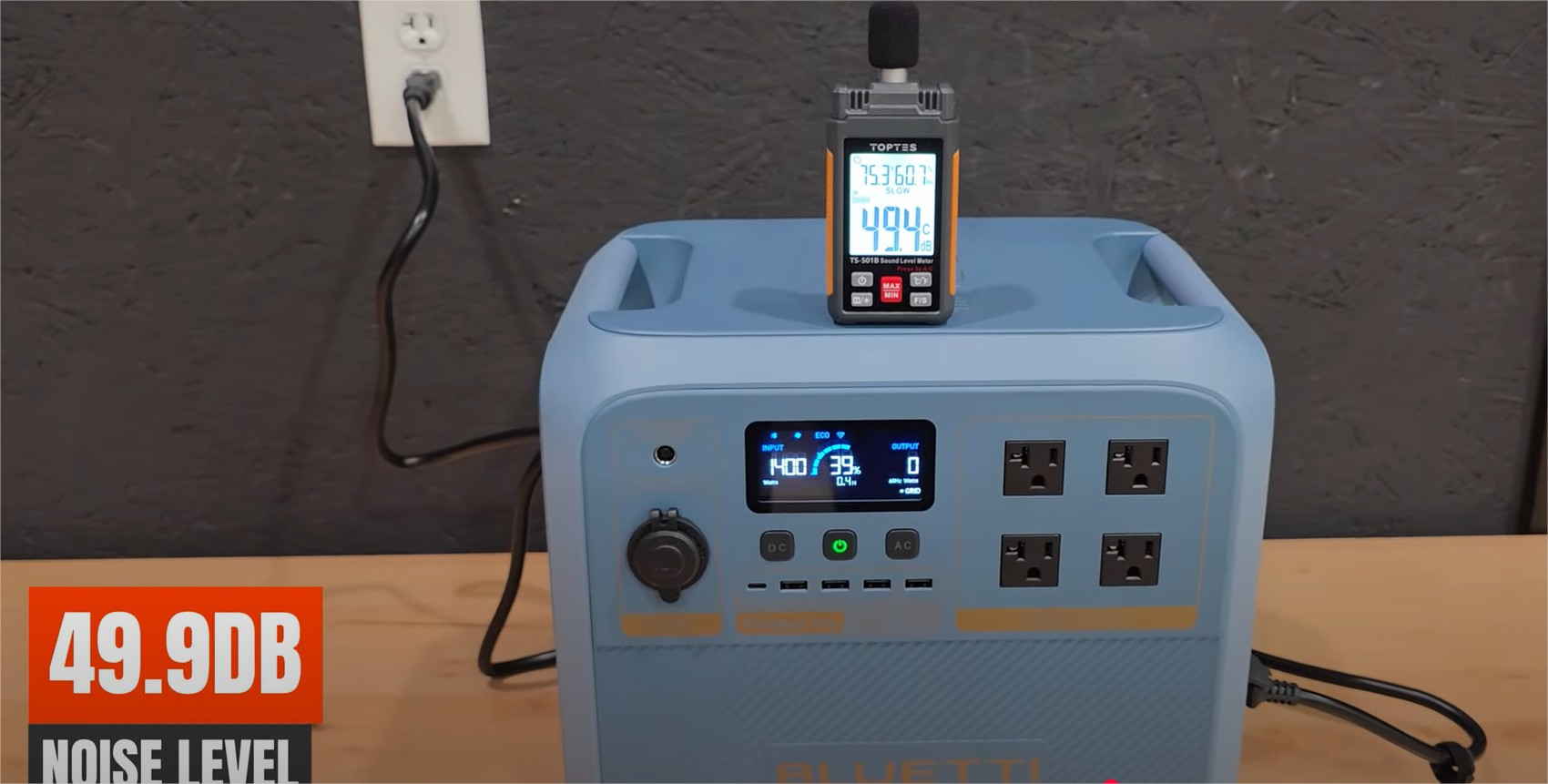
- 🔇 Quiet operation at just 49.9 dB—even during heavy charging
- 🔄 4,000+ life cycles equal to premium LiFePO4 batteries
- ✅ Reliable overload protection during stress tests


Installation, Ports, and Day-to-Day Usability
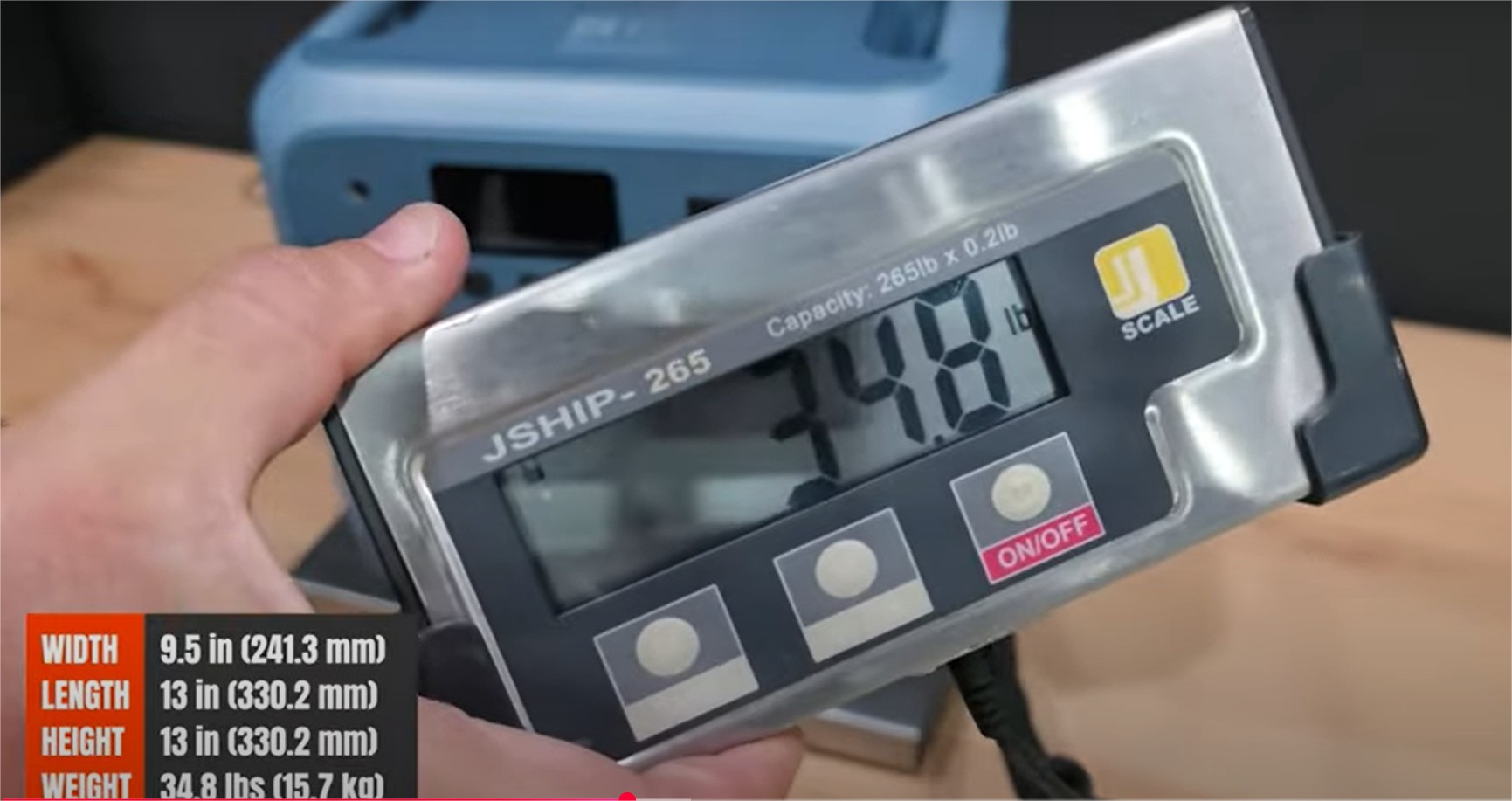

I’m not a fan of complicated setups, and thankfully, the Pioneer Na was very straightforward. At 34.8 lbs, it’s a bit heavier than some lithium units I’ve used, but still manageable. The build quality feels solid, and it has a thoughtful design for everyday use.
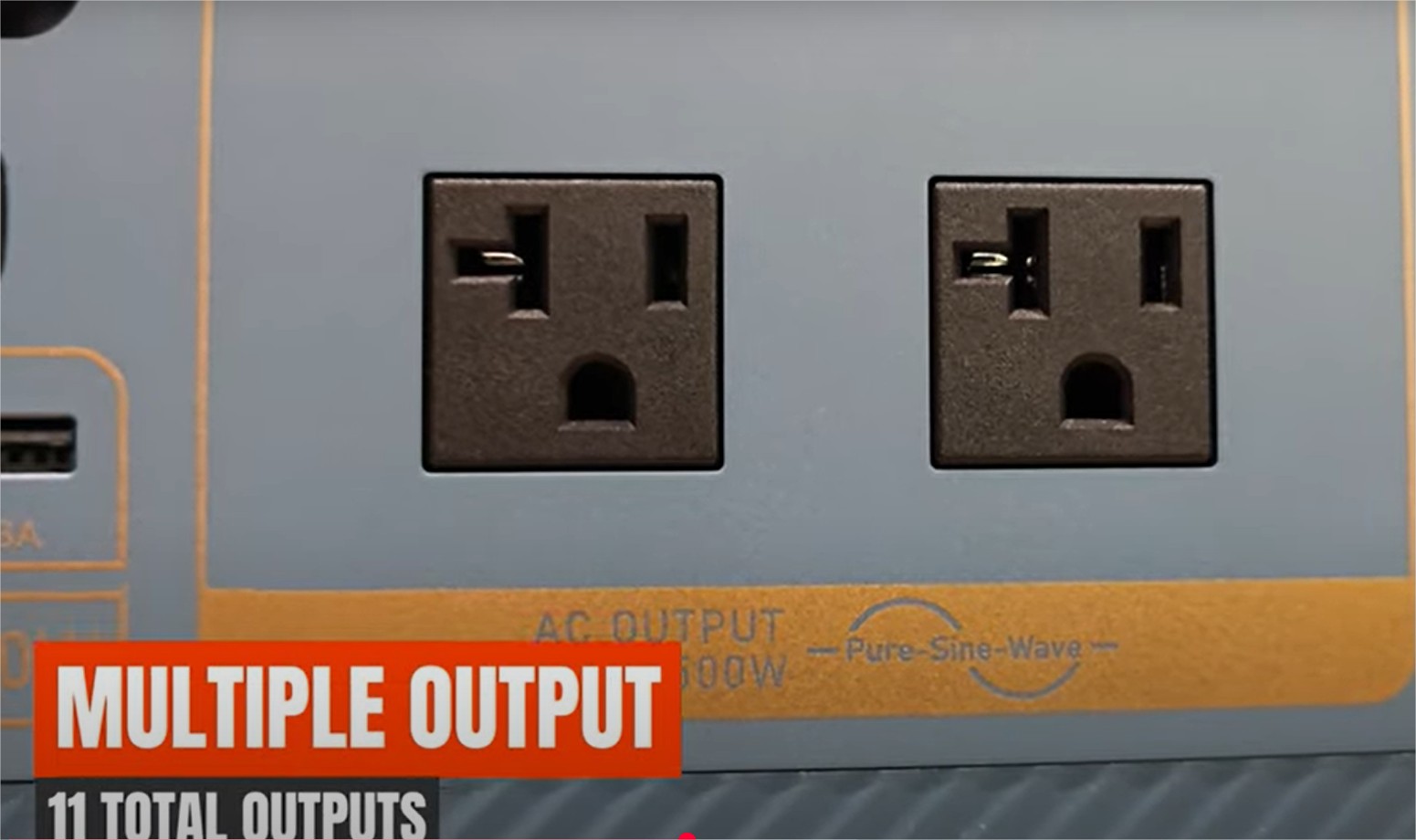

I appreciated the 11 different output ports, which made it versatile enough for both my work tools and camping gear. It includes:
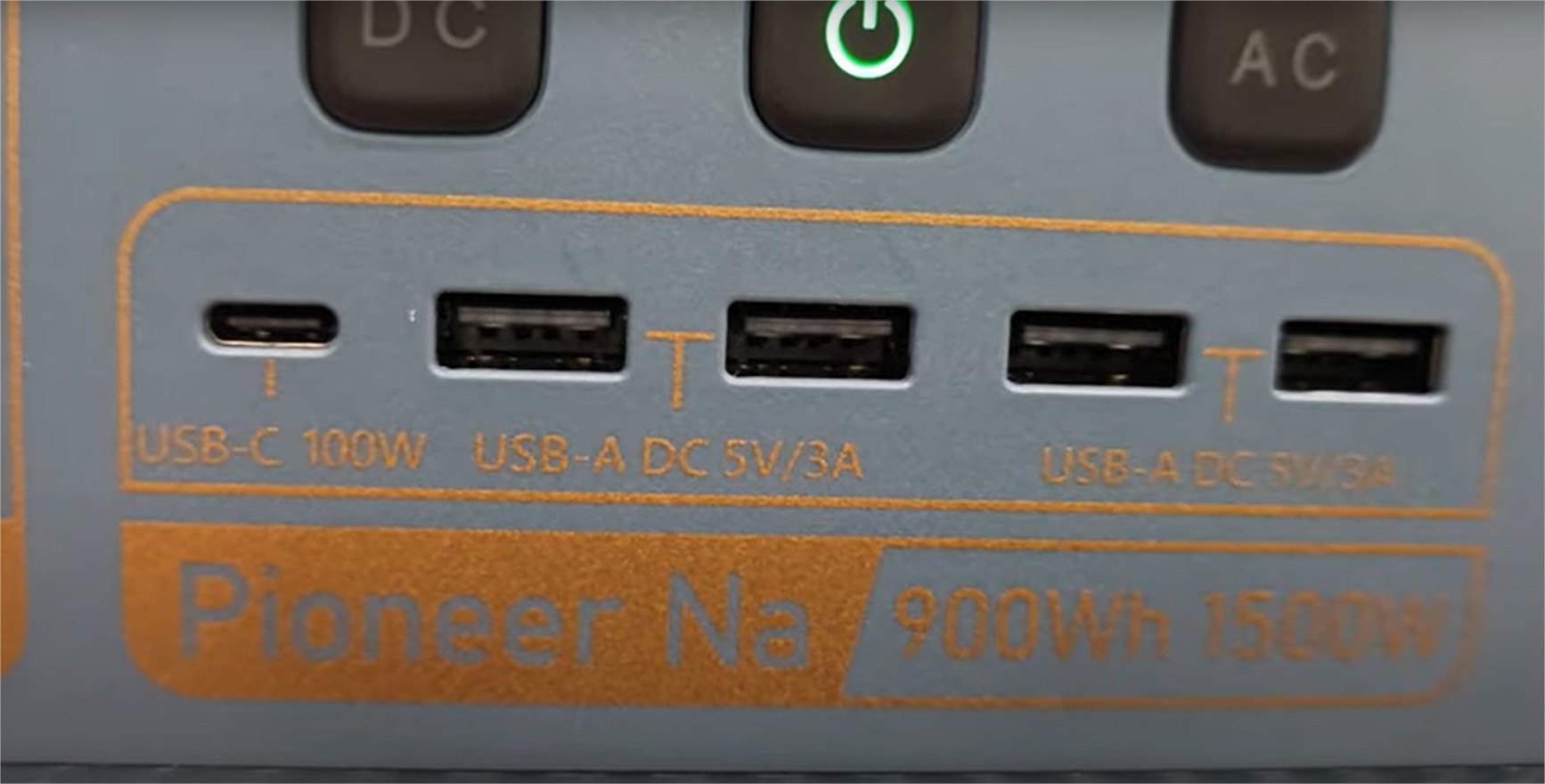

- 3 × AC outlets
- USB-C fast charging
- USB-A ports
- 12V car output
- Wireless charging pad
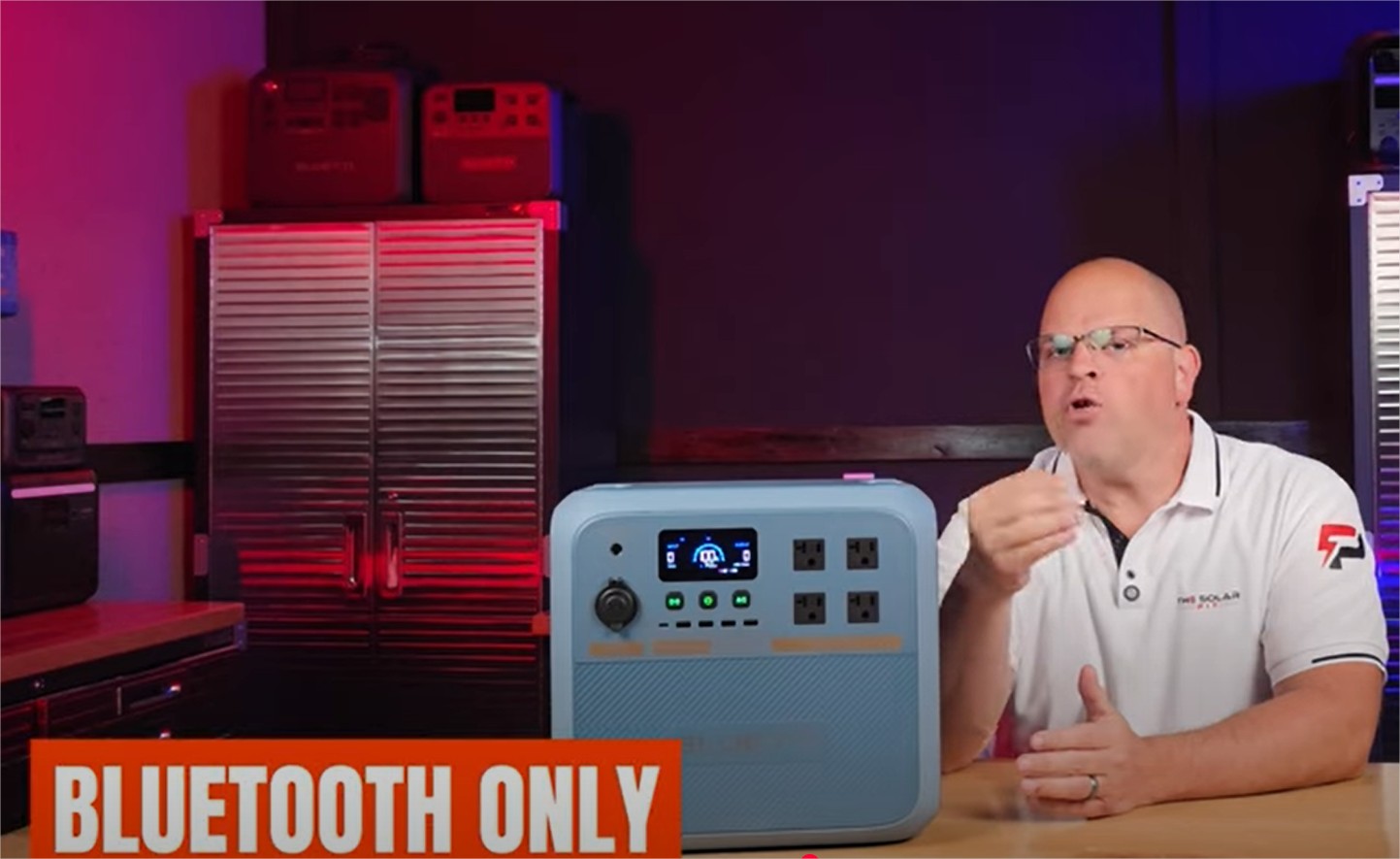

Control and monitoring are easy through the Bluetooth app. I did miss Wi-Fi for remote access, but the simplicity has its own charm—less connectivity risk and fewer unnecessary features.
Safety and Reliability Gave Me Confidence
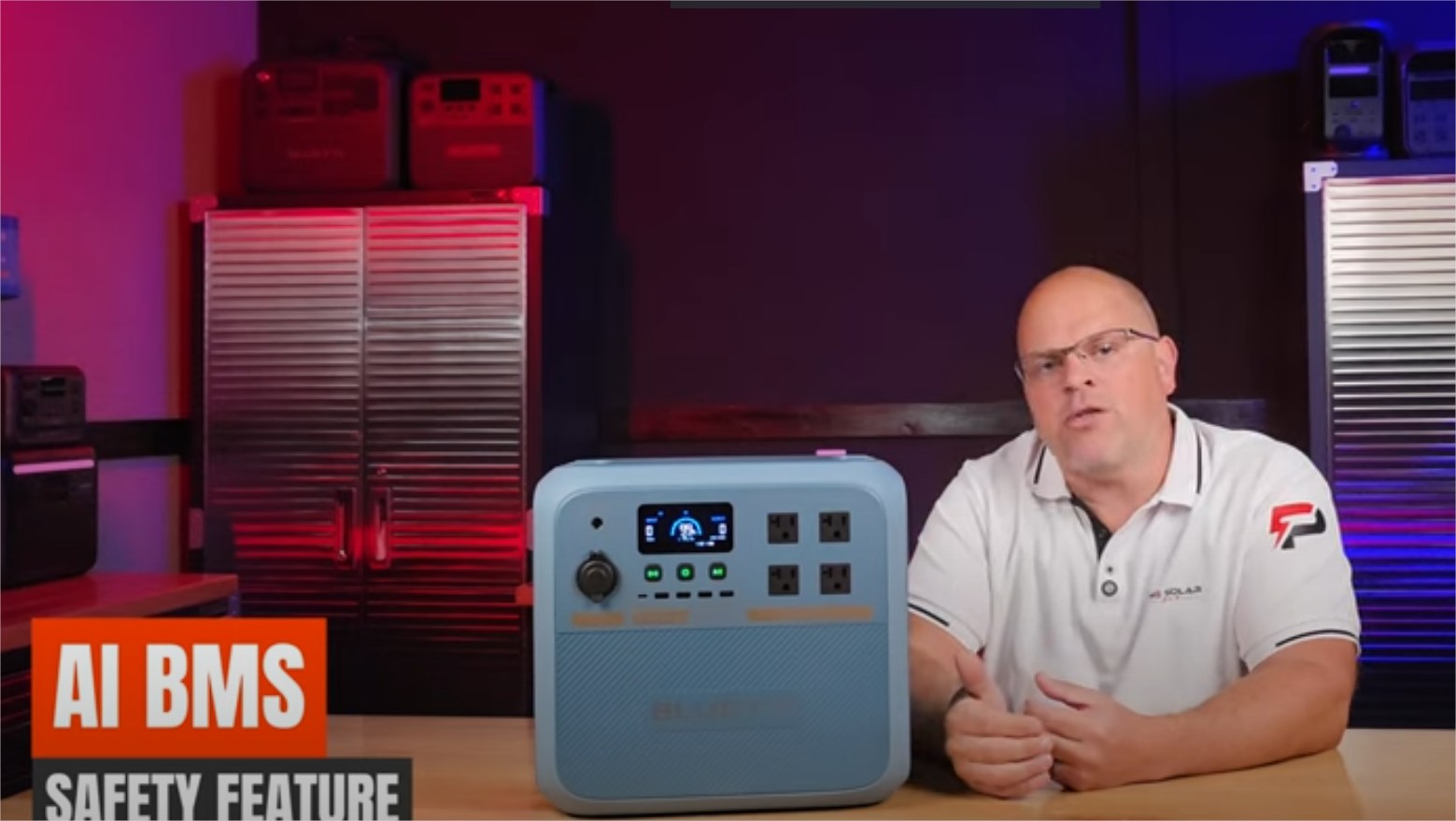

Battery safety is always on my mind, especially when I’m using power stations indoors. Bluetti built the Pioneer Na with its Blue Topus AIB Battery Management System, and I could see it actively monitoring voltage, current, and temperature in real time.
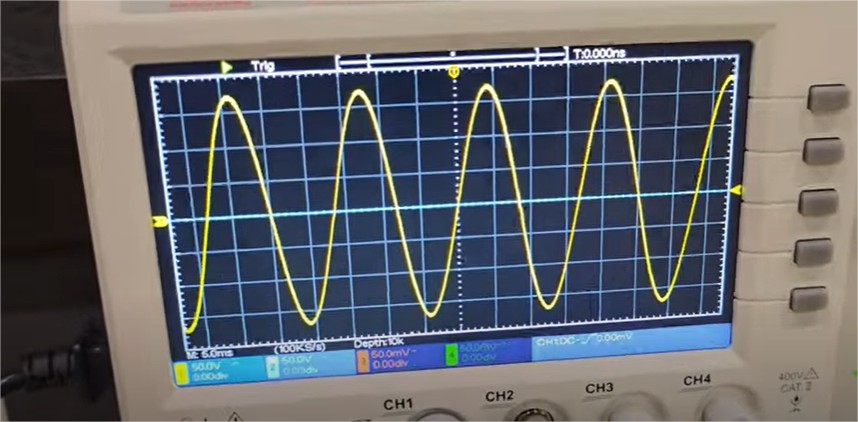

During my testing, I pushed it hard with different loads, and it never overheated or tripped unexpectedly. Sodium ion chemistry itself is also more stable than lithium-ion, meaning less risk of fire hazards or thermal runaway. Combined with the smart protections, it’s one of the safest systems I’ve ever used.
Some of the safety features I noticed:
- Overvoltage and short-circuit protection
- Reverse polarity safeguards
- Leakage detection system
- Intelligent thermal management
Tradeoffs and What I’d Like Improved
Of course, no product is perfect. Sodium ion batteries currently have a lower energy density, which explains why this unit feels bulkier and heavier than similar lithium options. If portability is your top priority, that’s something to keep in mind.
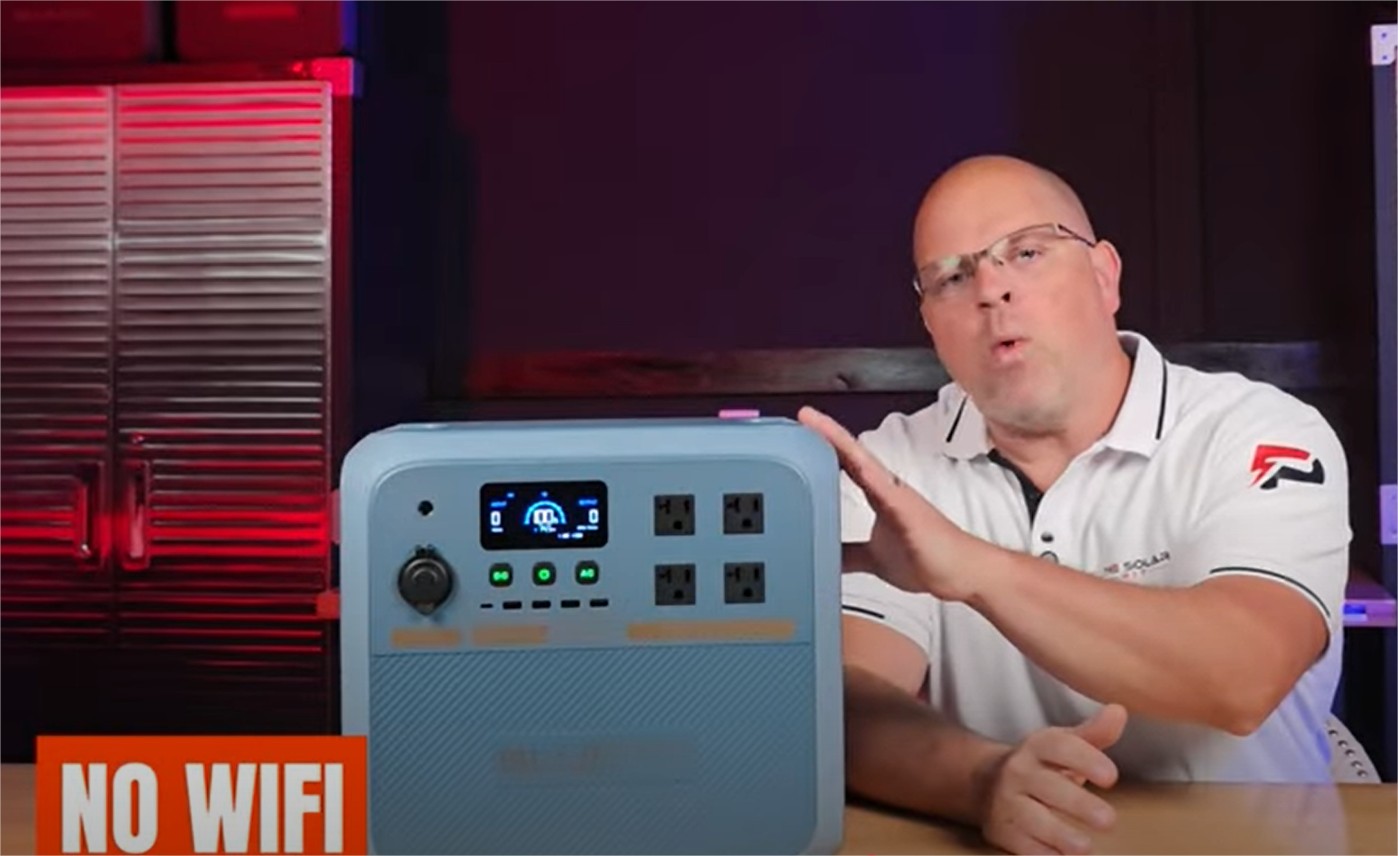

Also, while the Bluetooth control works well, the lack of Wi-Fi means I can’t check status when I’m away from the unit. For me, it’s not a deal-breaker, but I know some users prefer remote monitoring.
Still, these tradeoffs feel minor compared to what I gained in performance, reliability, and long-term durability.
Why I Think Sodium Ion is the Future
After using the Bluetti Pioneer Na, I genuinely believe sodium ion has the potential to reshape the portable power industry.
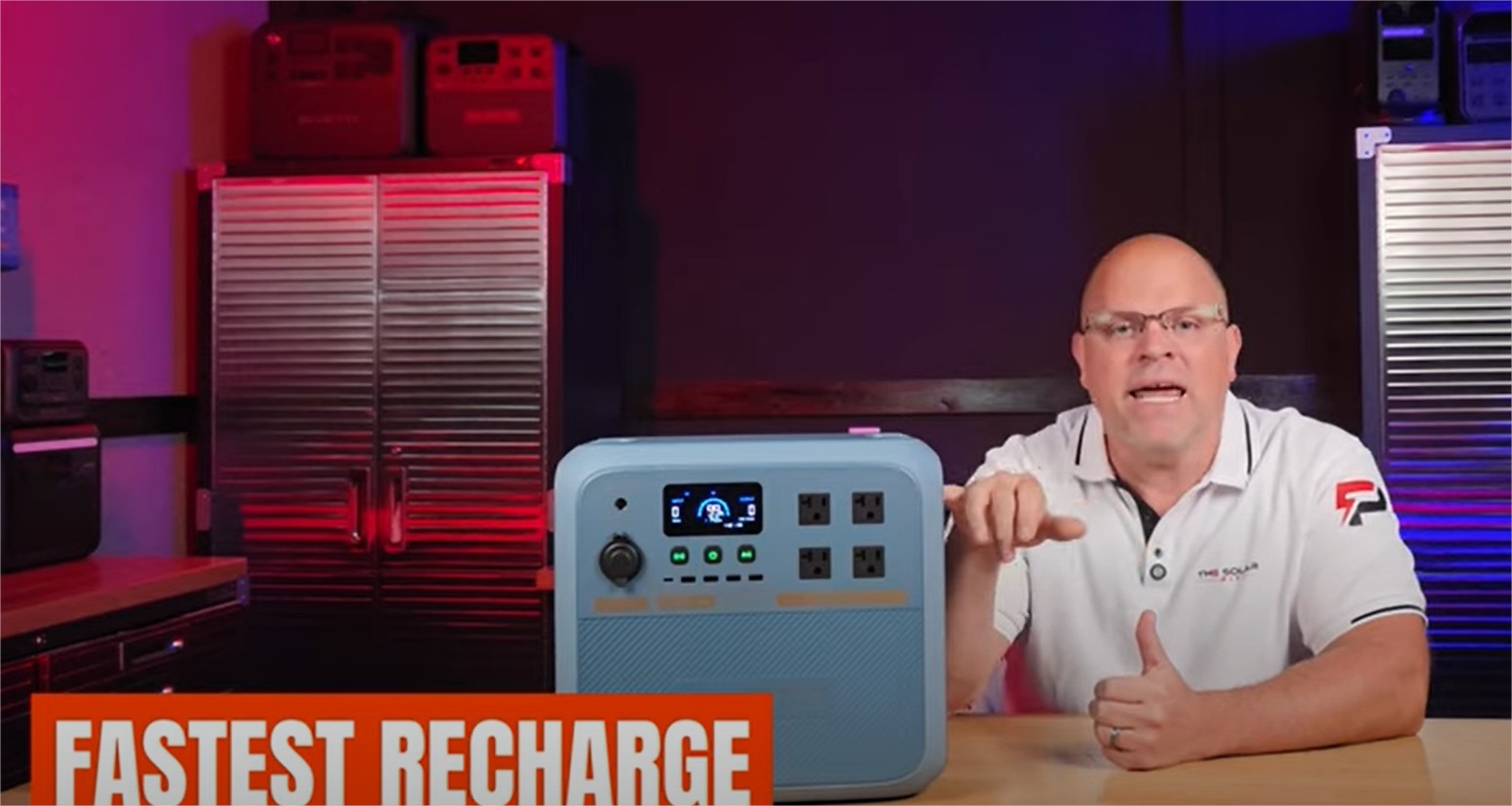

The benefits I experienced—fast recharge, extreme cold operation, high efficiency, and improved safety—are exactly what users like me have been waiting for.
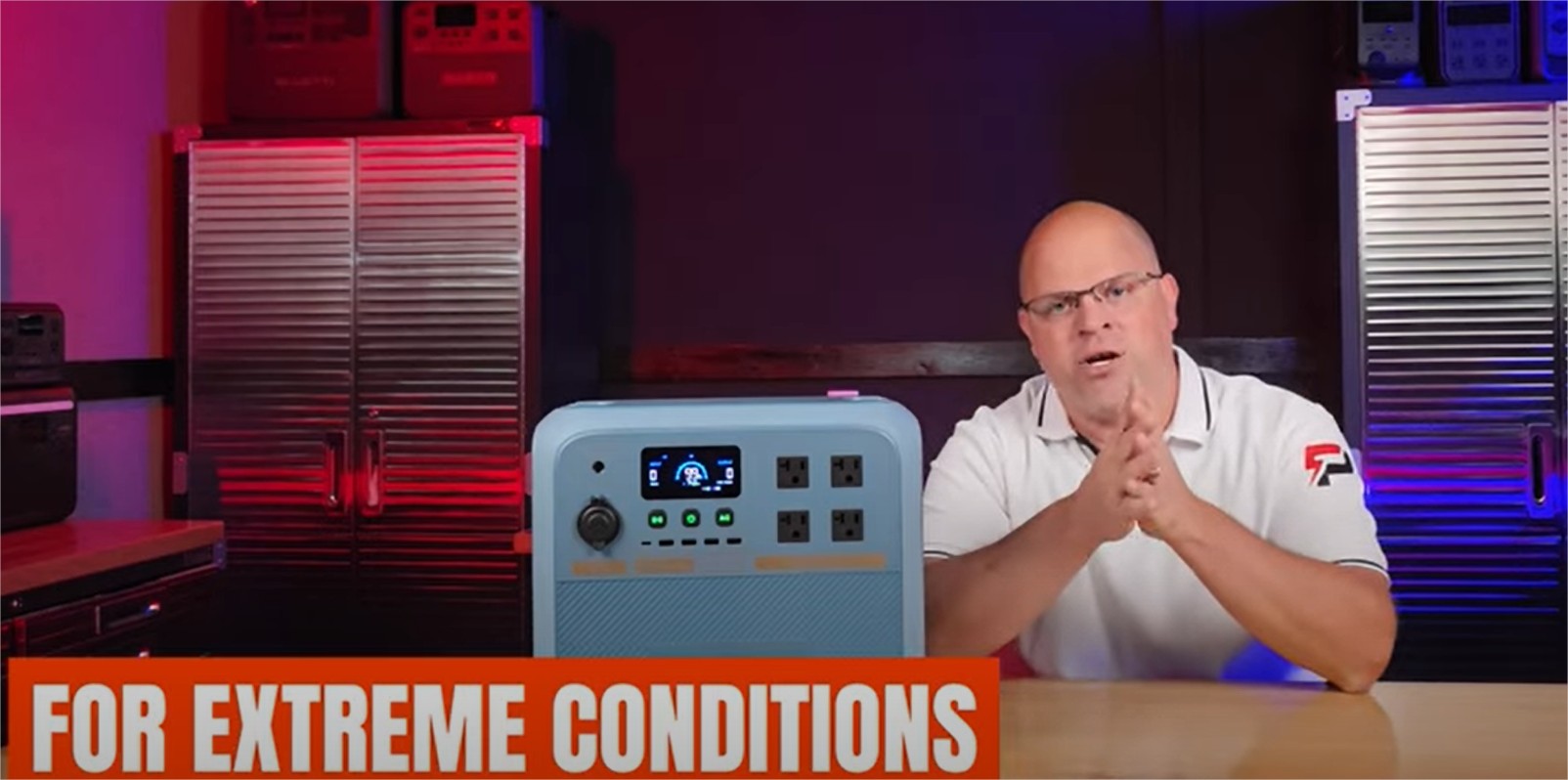

Yes, it’s heavier than lithium alternatives, but the peace of mind and performance made me quickly forget about that. Plus, the cycle life and durability mean fewer replacements, which is better for my wallet and the environment.
If you’re looking for a portable power station that’s ahead of the curve, the Pioneer Na is a bold step into the post-lithium era. For me, it felt less like trying a new gadget and more like witnessing the next big shift in battery technology.

Final Thoughts
Testing the Bluetti Pioneer Na has been one of the most exciting experiences I’ve had with power stations. From the moment I charged it to full in 35 minutes to watching it perform effortlessly in freezing conditions, it felt like I was experiencing the future of energy storage.
For campers, outdoor workers, or anyone who wants a reliable and safe power solution, this device is more than just an upgrade—it’s a breakthrough. Despite the small tradeoffs in weight and Wi-Fi absence, the performance speaks for itself.
If you’re ready to move beyond lithium and want a power station that blends innovation with reliability, the Bluetti Pioneer Na should be at the top of your list. It’s not just another product—it’s a glimpse into the future of sustainable portable power.