If you’re planning to install solar panels, take it from someone who’s been there — it pays to do your homework. I’ve spent years experimenting with solar setups, from rooftop arrays to a full-fledged solar carport. Along the way, I’ve made (and witnessed) just about every mistake possible.
In this blog post, I’ll walk you through 10 crucial pitfalls to avoid — so you don’t waste thousands of dollars or end up with a system that underperforms.
10. Estimate Your Annual Energy Usage — Not Just Monthly Bills

One of the most common rookie errors I see is sizing your system based on a single month’s utility bill. That’s a huge mistake.
- Look at your electricity consumption for the past 12 months.
- Add a buffer if you plan to increase usage (e.g., adding EVs or AC units).
- Undersizing now means costly upgrades later.
Solar isn’t cheap, so proper planning makes or breaks the return on your investment.
9. Battery Backup Isn’t Optional Anymore
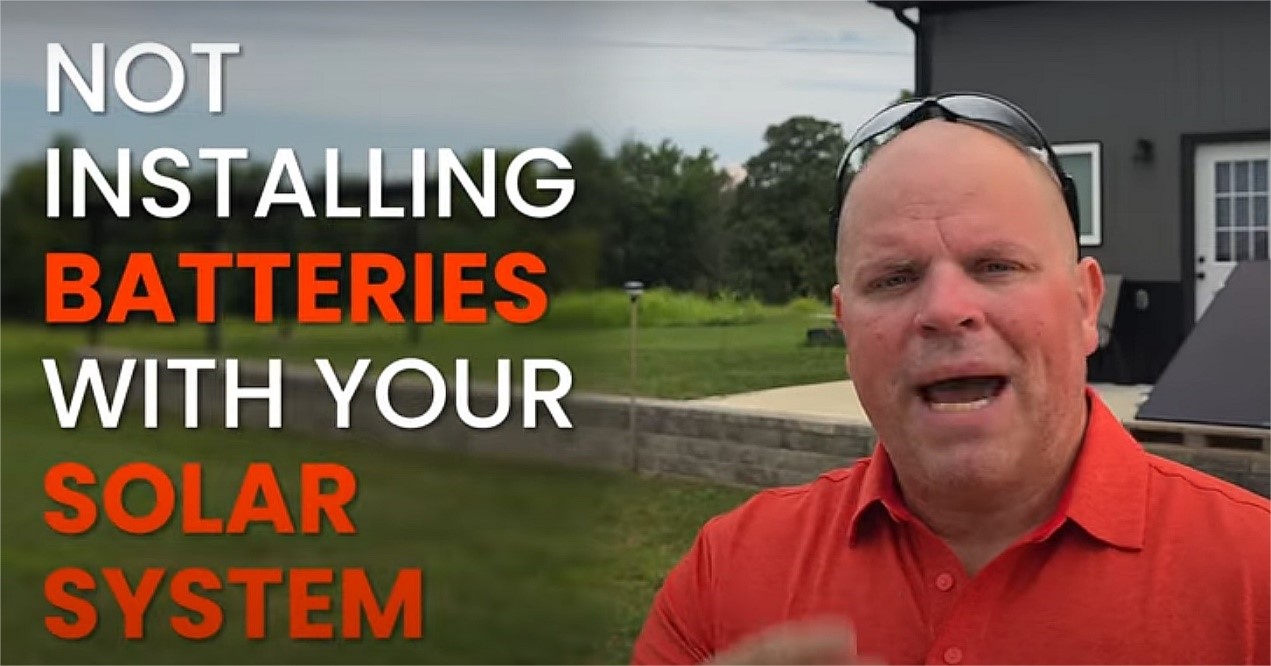
Early on, I skipped batteries to save money — and regretted it the first time the power went out.
- Without batteries, solar won’t power your home during outages.
- Retrofitting storage later is often more expensive.
- Batteries like Tesla Powerwall or EG4 provide night time coverage and off-grid resilience.
If energy independence is your goal, make room in your budget for batteries upfront.
8. Don’t Fall for “Free Solar” Gimmicks
If someone offers you free solar, run.
- These deals usually involve long-term leases or inflated financing schemes.
- You’ll often pay more in the long run.
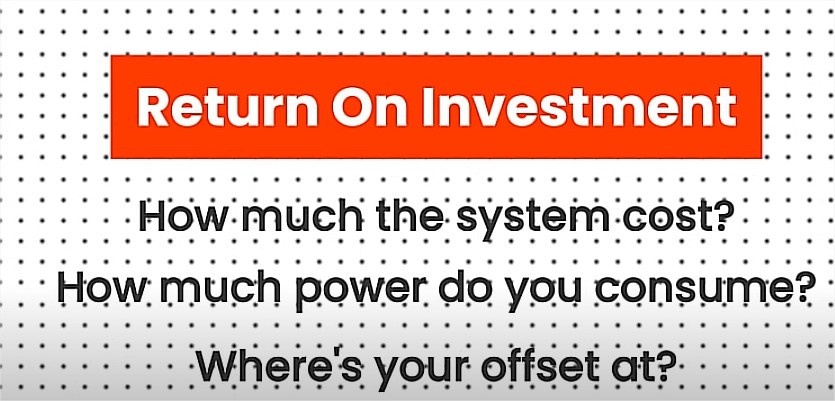
- Focus instead on ROI and payback period.
Solar is an investment, not a giveaway. Transparency matters.
7. Check Your Roof Before You Sign Anything

Your solar system is only as good as the roof it’s installed on.
- Make sure your roof is in good structural condition.
- South-facing roofs offer optimal solar gain (in the northern hemisphere).
- Tilt and orientation affect performance — even bifacial panels can’t fix poor placement.
Fixing a roof post-installation is expensive and risky. Get it inspected first.
6. Get Permits and Know the Regulations
Skipping permits is a shortcut to disaster.
- Your system may not pass inspection.
- Without approval, you could be forced to remove the setup.
- Every region has unique solar rules.

I once built a solar wall only to learn it couldn’t be permitted in my area. Don’t be me — check before you build.
5. Use Quality Equipment with Strong Support
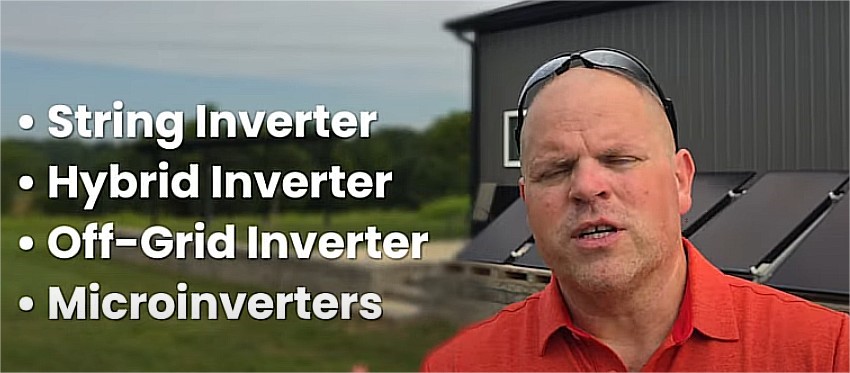
Cheap gear may seem appealing until something breaks.
- Choose well-reviewed brands like Hoymiles, Enphase, Sirius Solar, etc.
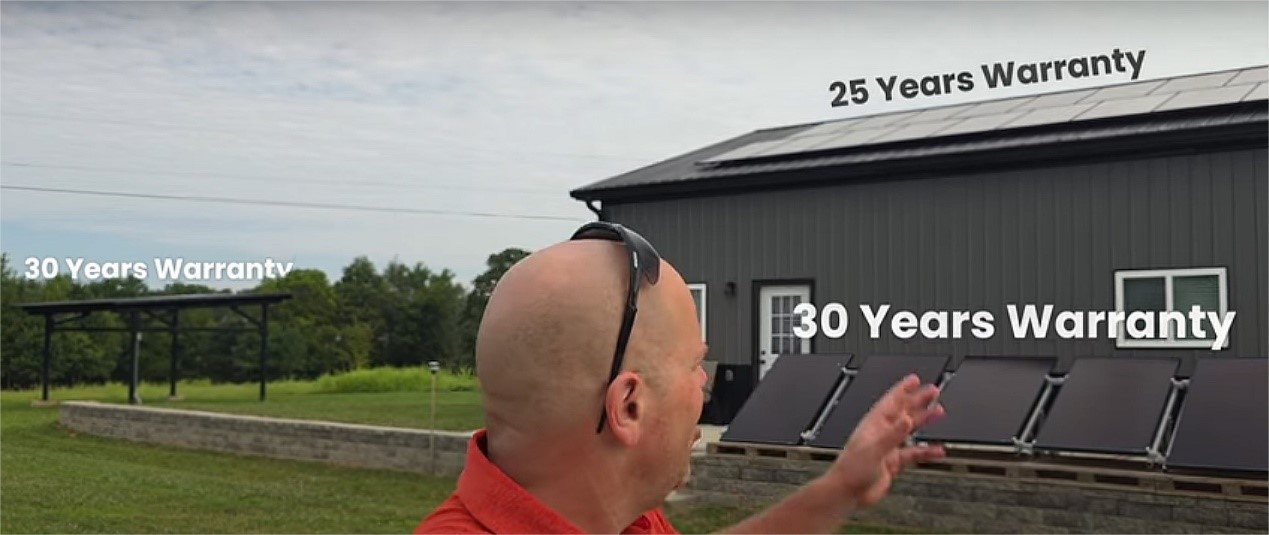
- Check warranty terms and customer support availability.
- Don’t just go by specs — look for user experience reviews.
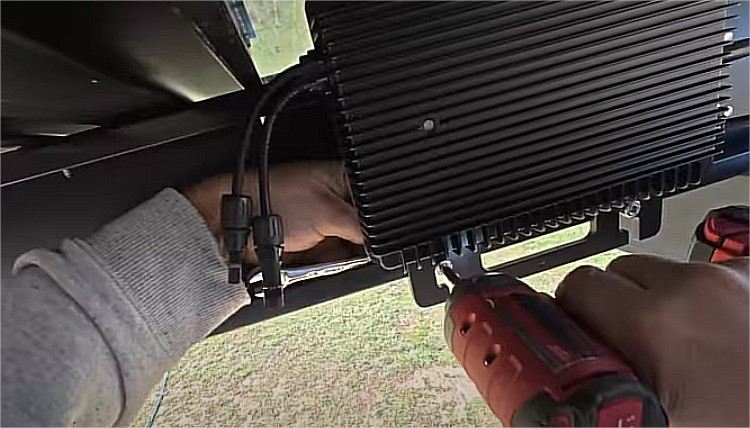
Quality pays for itself in peace of mind and system longevity.
4. Get Multiple Installer Quotes — or DIY If You Can
Installation quotes can be all over the map. Trust me, I’ve seen them range from $18K to $80K.
- Always get at least 3 local quotes.
- Ask detailed questions about materials, warranty, and after-service.
- If you’re handy, DIY installation can slash your costs — but do your research.
You don’t want to overpay for the same result.
3. Monitor Panel Performance Actively
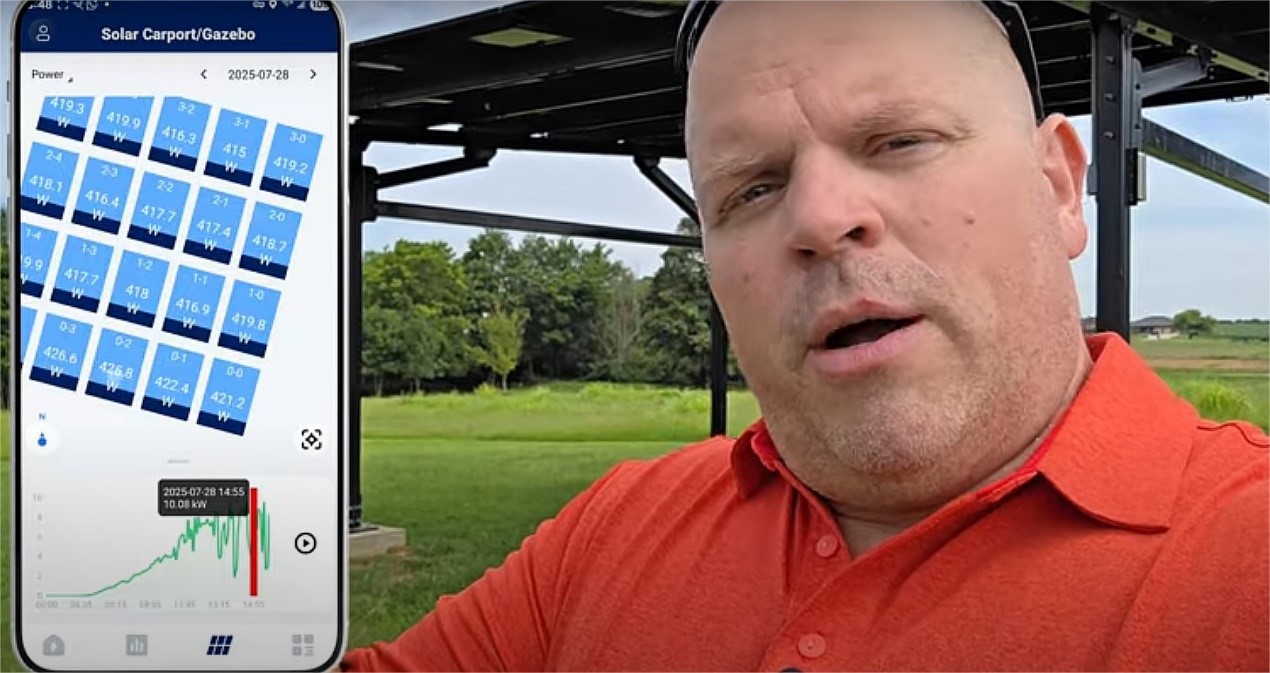
Solar isn’t a “set it and forget it” system.
- Use apps or inverters that offer panel-level monitoring.
- Clean your panels regularly to avoid efficiency losses.
- Spotting a dead panel early can save you tons in lost power.
Performance tracking equals savings and longevity.
2. Design for Expansion from the Start
Your energy needs will grow — plan for it now.
- Use microinverters for modular expandability.
- Leave roof space and breaker capacity for future panels.
- Add extra conduit or wiring now to avoid a full rework later.
Think long-term. Your future self will thank you.
1. Work with Local Experts
Local knowledge can make or break your solar journey.
- Regulations vary wildly between cities and counties.
- Local installers understand permits, weather patterns, and optimal design.
- Support your local economy while reducing your risk.
Avoid out-of-town sales reps pushing cookie-cutter solutions. Go local and get it done right.
Final Thoughts
Solar power can be life-changing — but only when done right. From estimating energy use to choosing the right hardware and installer, every decision matters. I hope this guide helps you avoid the most common solar installation mistakes I’ve seen (and made). Be informed, be critical, and don’t rush. Your solar system is a long-term asset — make it one you’re proud of.