Anker SOLIX X1: The Modular Solar Power Solution That Beats Tesla Powerwall 3?
Discover how the Anker SOLIX X1 is redefining home solar backup with unmatched modularity, real-time switchover, and seamless compatibility with existing systems.
Whether you're upgrading or starting fresh, this flexible, future-ready solution could be the smarter alternative to the Tesla Powerwall 3.
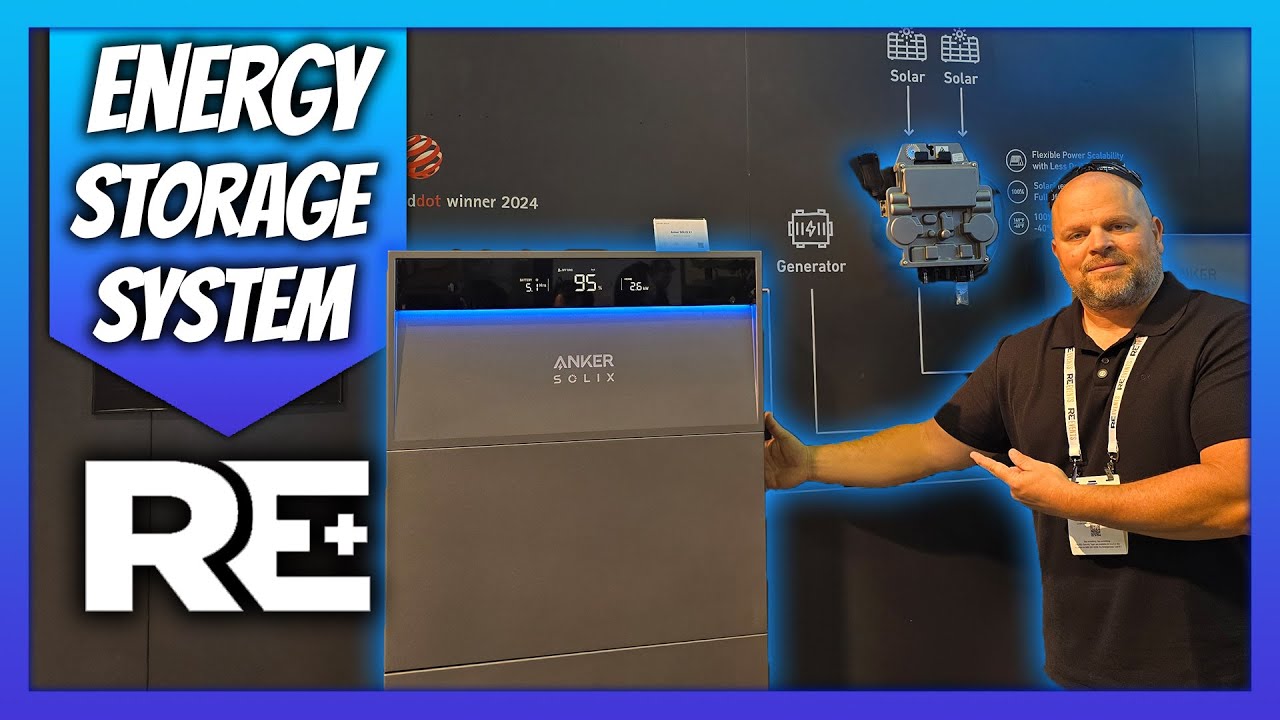
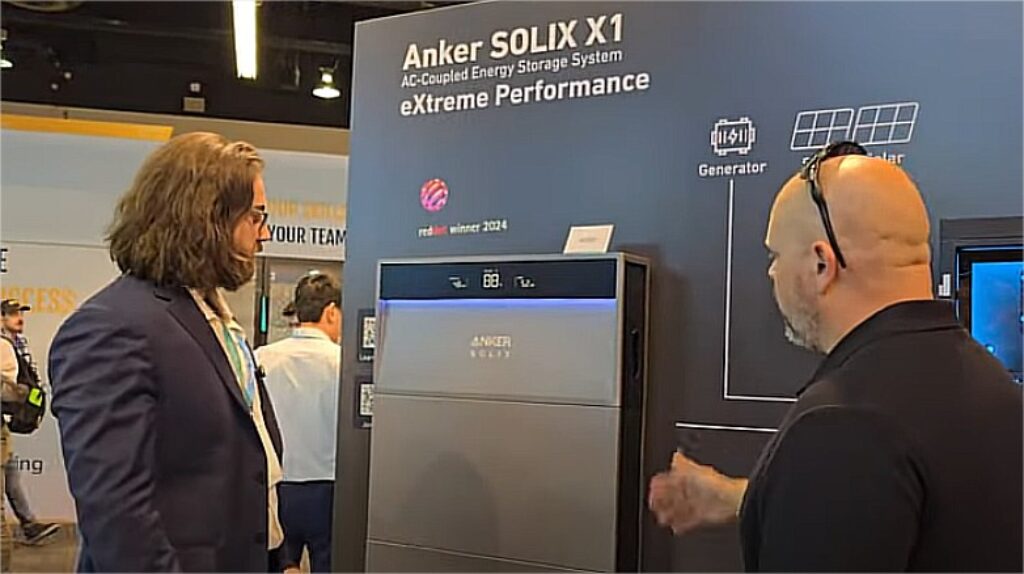
In an era of rising energy demands and grid instability, solar backup systems have evolved into critical components of home energy infrastructure. At North America’s largest renewable energy trade show, RE+, I explored one of the most talked-about home battery solutions — the Anker SOLIX X1 — and came away impressed. Designed with flexibility, reliability, and real-world efficiency in mind, this system offers serious competition to the Tesla Powerwall 3, especially for homeowners with AC-coupled systems. Let’s break down why the SOLIX X1 might be the most modular and future-proof solar storage system available today, and how it compares to Tesla’s flagship solution. Whether you’re installing a fresh system or upgrading an existing one, here’s everything you need to know.
Seamless Integration with Existing Solar Setups
Effortless AC-Coupled Configuration
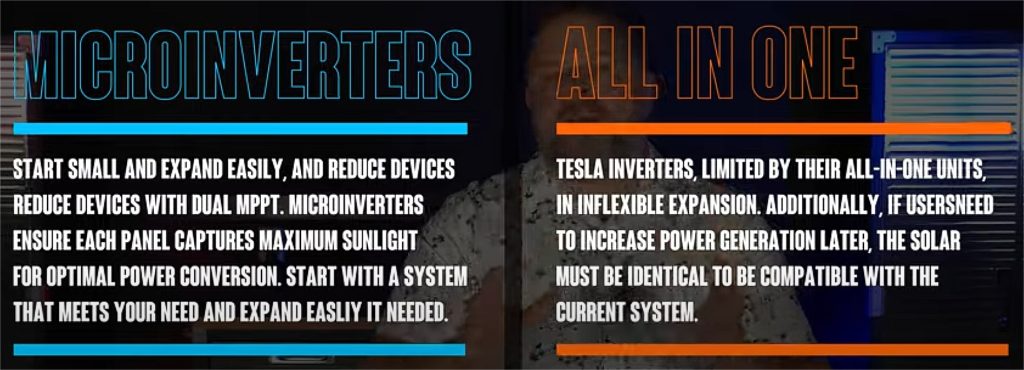
One of the biggest strengths of the Anker SOLIX X1 is its compatibility with existing AC solar systems — particularly those already running microinverters. While the Tesla Powerwall 3 requires a more rigid system setup, the X1 is brand-agnostic, making it a plug-and-play solution for most homes.
Key Points:
Works with popular microinverters like Enphase, Hoymiles, and more.
Ideal for homeowners with an already installed AC solar system.
AC-coupled design avoids communication issues between components.
This flexibility means you don’t need to rip out your existing infrastructure just to upgrade your battery system — a major win for cost-conscious users and system scalability.
A Truly Modular System for Evolving Needs
Independent Battery Stack Operation
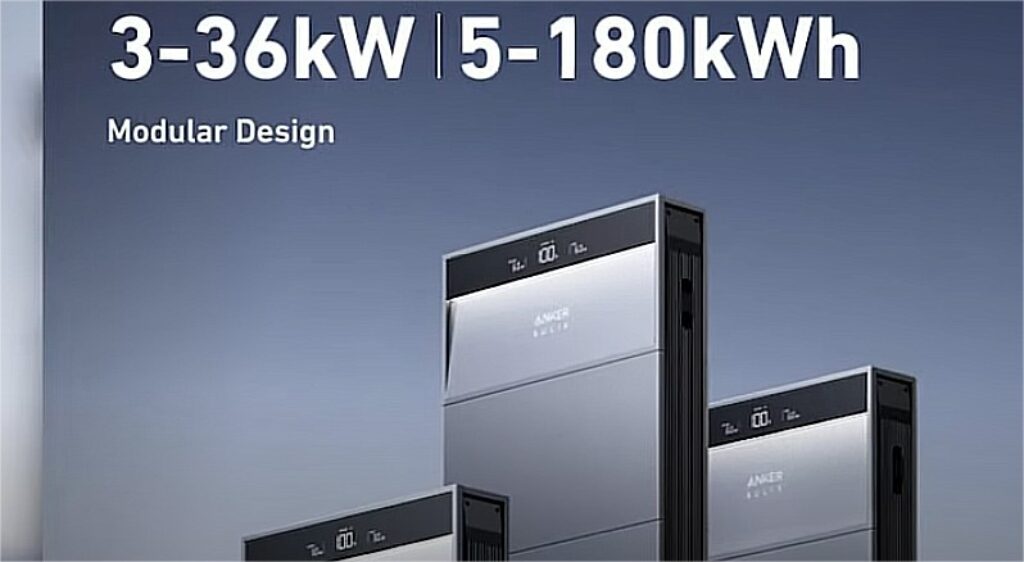
The SOLIX X1 stands out with its fully modular approach. The system is built from stackable 5 kWh battery modules and a 6 kW inverter per stack. Want more power or storage? Just add more batteries or inverters.
Modular Specs at a Glance:
Up to 6 inverters per system: 36 kW output max.
Up to 6 batteries per inverter: 180 kWh max storage.
Mix-and-match flexibility lets you scale as your energy needs grow.
Unlike Tesla’s Powerwall 3, which forces you to add 13.5 kWh units regardless of your requirements, Anker lets you build only what you need. This approach helps avoid unnecessary costs while giving users the power to future-proof their home energy system.
Smart Backup Control with Instant Switchover
No Downtime, Even in Outages
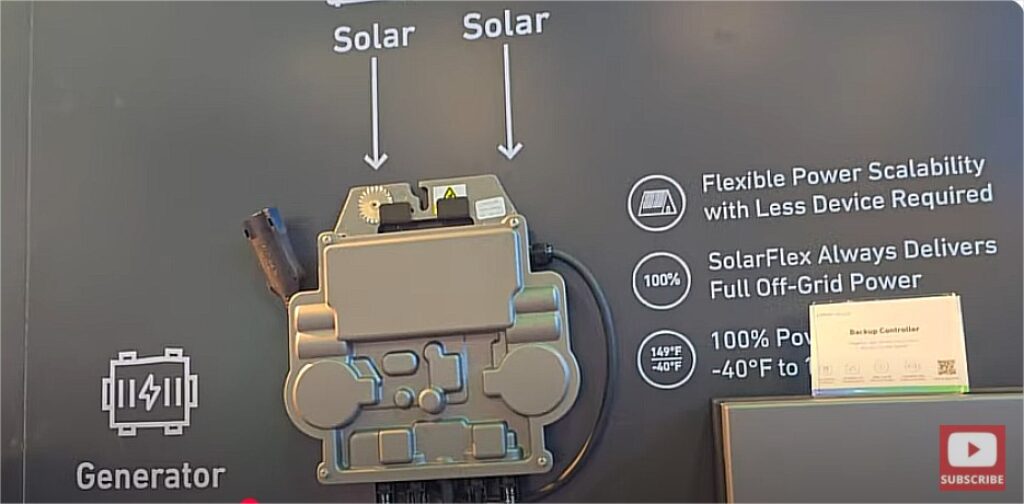
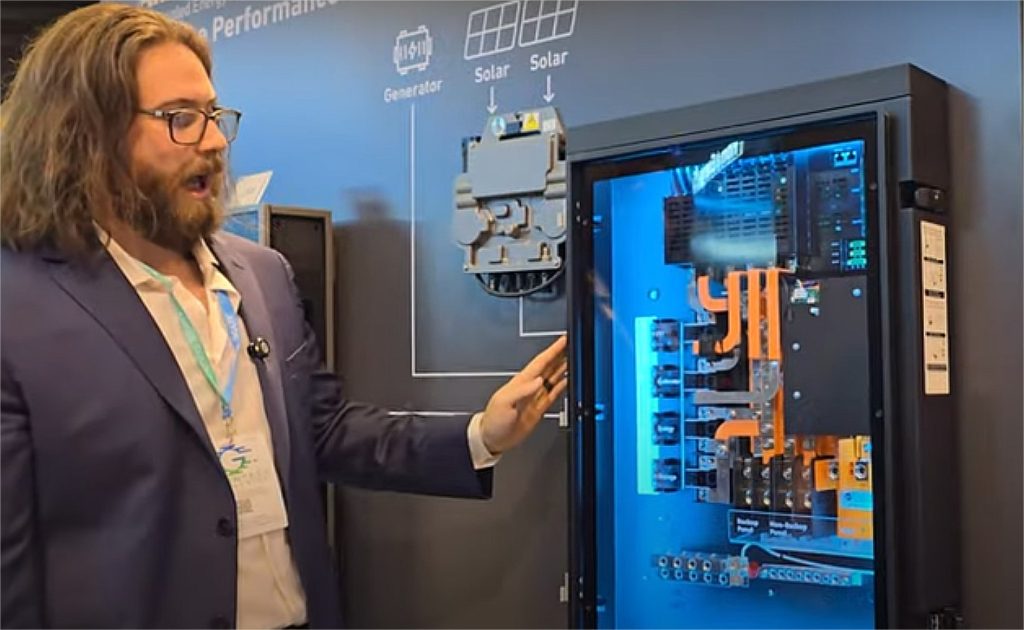
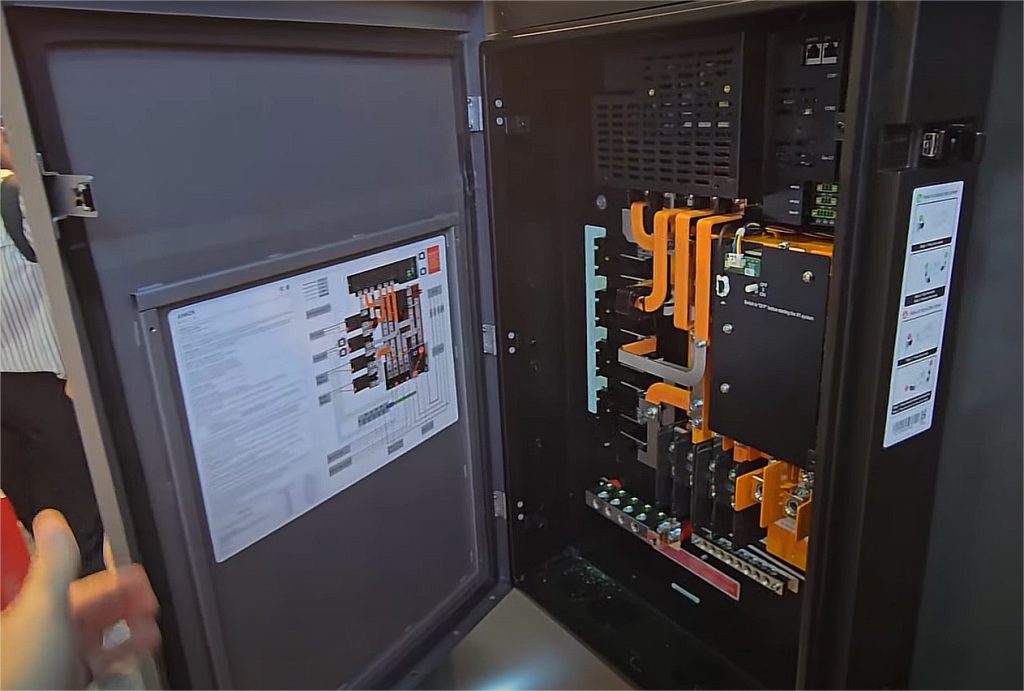
Another standout feature of the SOLIX X1 is its backup controller, the central hub for the entire setup. This unit connects to the grid, your home circuits, batteries, solar input, and even a fuel-powered generator — and it switches seamlessly when the grid goes down.
Highlights:
0 ms switchover time during outages — yes, literally zero.
Supports up to 100A generators.
Integrated cooling system and weather-proof NEMA 4/6 enclosures.
The automatic failover is lightning fast and critical for keeping essentials like fridges, medical devices, or computers running without a hiccup. And with outdoor-rated components, the SOLIX X1 is built for durability — just avoid placing it on south-facing exterior walls to prevent overheating.
Real-Time Monitoring for Homeowners and Installers
Live Energy Insights at Your Fingertips
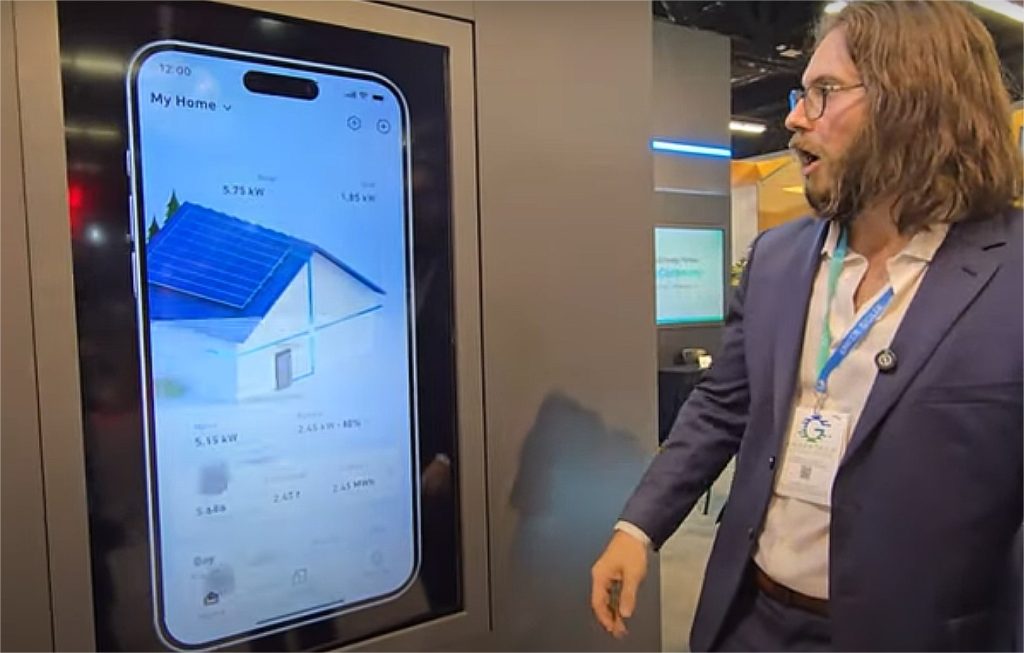
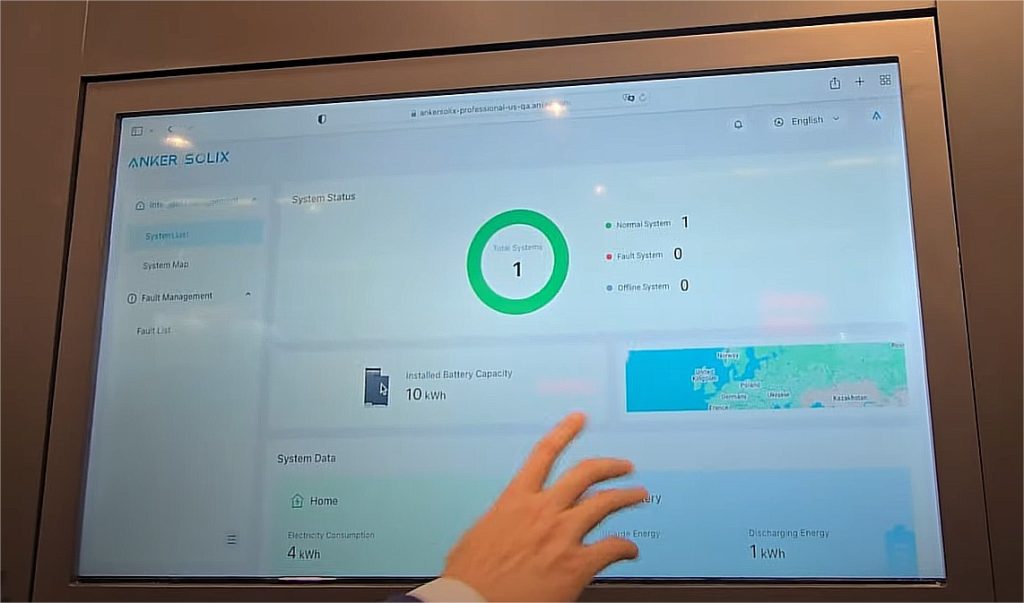
A sleek, intuitive app experience makes it easy to monitor everything from battery status to solar production. Whether you’re a homeowner keeping tabs on your energy consumption or an installer managing multiple sites, the software is a strong point.
What You Get:
Homeowner app with real-time generation and consumption data.
Installer portal with full fleet monitoring and system diagnostics.
Wireless connectivity via 2.5 GHz dongle and built-in Wi-Fi chip.
Each module in the system operates independently. That means even if one battery or one microinverter goes down, the rest keep functioning — a key feature that enhances reliability and reduces downtime.
SOLIX X1 vs Tesla Powerwall 3: Which One Wins?
Zero-Delay Backup, Total Peace of Mind
Here’s where things get even more interesting. If you already have an AC-coupled system or plan to build a modular one, the Anker SOLIX X1 offers significant advantages over the Tesla Powerwall 3.
Why SOLIX X1 Edges Ahead:
More modular (customize output from 3 kW to 36 kW, storage from 5 to 180 kWh).
Wider compatibility with third-party microinverters.
Lower cost of expansion — buy only what you need, when you need it.
Built-in AC coupling eliminates communication issues.
Tesla Powerwall 3 is powerful but rigid, and it doesn’t support microinverter systems — a dealbreaker for many homeowners. In contrast, SOLIX X1 blends power, flexibility, and smart design in one complete package.
Thoughts: Is SOLIX X1 the Future of Home Energy?
More Than Just a Tesla Alternative
Whether you’re installing a brand-new solar setup or upgrading your current one, the Anker SOLIX X1 deserves serious consideration. Its modularity, compatibility, and seamless integration make it one of the most adaptable systems on the market today.
If you already have microinverters or are planning a scalable home energy strategy, the SOLIX X1 is likely the clear winner. And while Tesla has the brand recognition, Anker’s approach offers real-world functionality that speaks louder to practical users.
Bottom Line
The Clear Winner for Smart Homes
TL;DR – Why Choose SOLIX X1?
✅ AC-coupled & microinverter-compatible
✅ Modular output (3–36 kW) & storage (5–180 kWh)
✅ Seamless 0 ms switchover during outages
✅ User-friendly apps for homeowners & installers
✅ Future-proof, cost-efficient, and scalable
If you’re ready to take control of your home energy — and do it smartly — the Anker SOLIX X1 just might be the solution you’ve been waiting for.