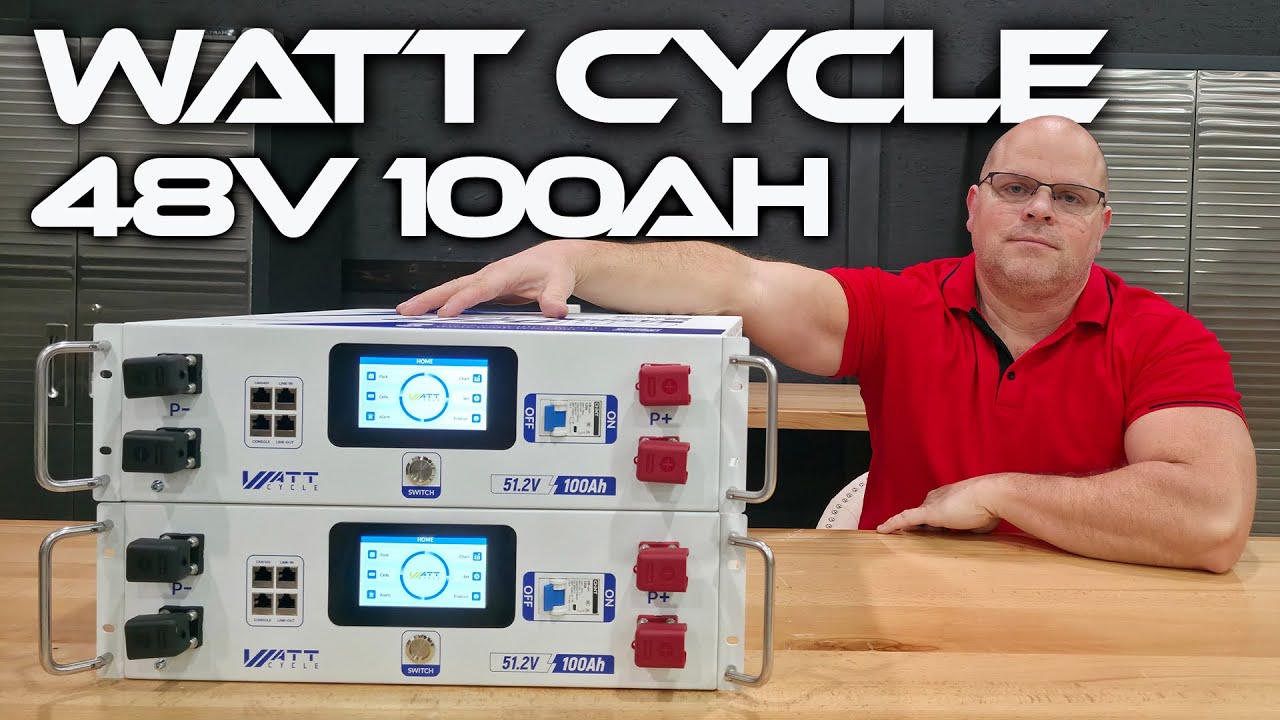
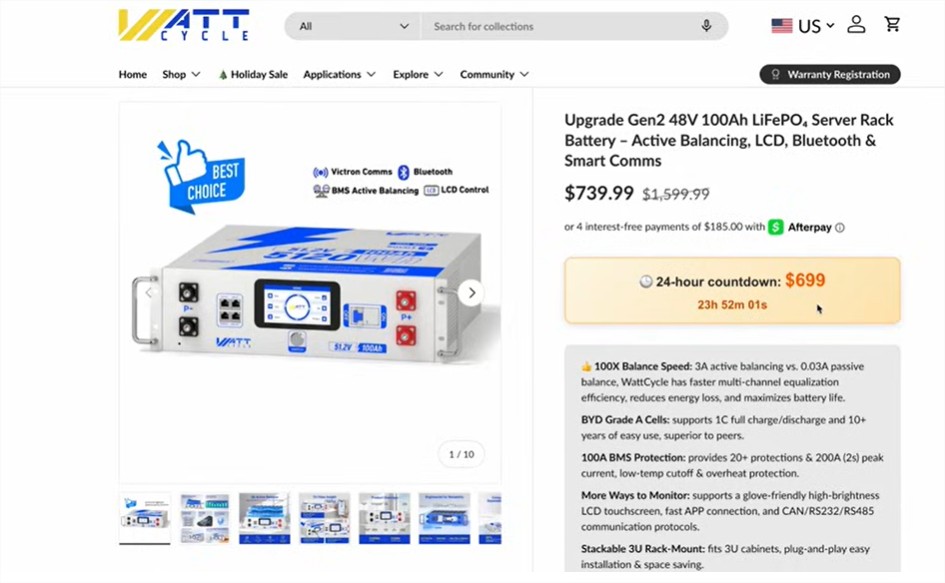
When I first got my hands on the WattCycle 48V 100Ah Server Rack Smart Battery, I knew this wasn’t just another plug-and-play lithium battery review. At $699, this battery sits in a very competitive price bracket, especially for a UL-listed 48V server rack solution designed for real solar and backup systems.
In this review, I opened the battery, examined its internal build quality, tested real-world capacity, and pushed the BMS harder than most users ever will. If you’re building an off-grid system or a budget-conscious ESS and want honest insights—good and bad—this deep dive is for you.
Unboxing, Specs, and First Impressions
Right out of the box, the WattCycle battery gives off a solid, purpose-built impression. It ships with everything needed to integrate into a server rack or wall-mounted energy storage system, including cables, brackets, communication wiring, and terminal covers.

At just 93.2 pounds, it’s lighter than many competing 48V rack batteries in this class.

It measures 5 inches in height and 17 inches in width, extending to 19 inches with brackets and handles, while depth ranges from 18 to 20 inches. Power connections are handled via secure M10 screw terminals.
What immediately stands out is how compact and clean the design is. The LCD screen on the front provides far more information than you’d expect at this price, and the dedicated breaker and power button add a layer of usability I always look for in stationary batteries.

Key specifications at a glance:
- 48V 100Ah LiFePO₄ server rack battery
- 5.12 kWh usable capacity
- 100A BMS with UL listing
- CAN, RS485, RS232 communication ports
- Weight: ~93.2 lbs
- Price: ~$699 (before discounts)
For solar builders, compatibility matters—and WattCycle claims support for most major inverters in the U.S. and Canada.
Smart Display and Inverter Communication
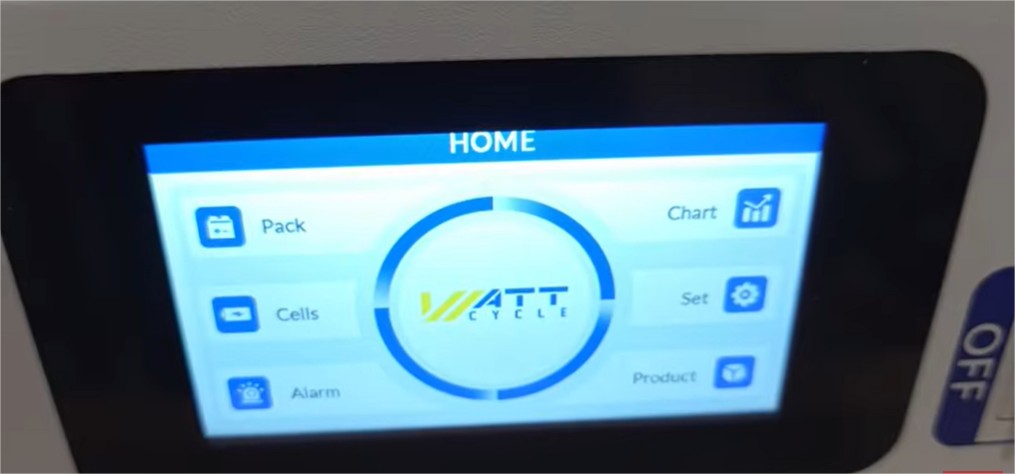
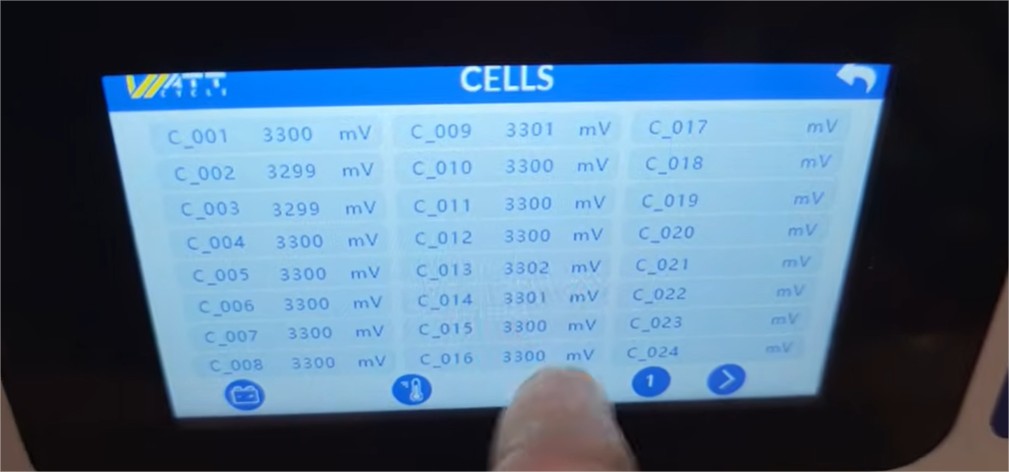
One of my favorite aspects of this battery is the LCD screen. Unlike cheaper batteries that force you to rely on a mobile app, this one gives you real control and insight directly from the front panel. I can monitor individual cell voltages, temperatures, active alarms, historical data, and even tweak communication parameters.
When I connected it to a Fortress 6.5 Solo inverter, it was truly plug-and-play. No manual configuration, no firmware guessing—the battery and inverter communicated instantly. I also verified compatibility with LuxPower inverters, which is a big plus for DIY solar builders.

What the screen lets me monitor in real time:
- Individual cell voltage balance
- Cell and BMS temperatures
- Charge and discharge current
- Alarm history and system status
- Communication status with inverter
While the screen protector itself feels a bit flimsy, it didn’t affect usability during testing. Still, if this battery is going into a high-traffic environment, that’s something to keep in mind long-term.
Internal Build Quality: A Solid Server Rack Design
I opened the battery for a quick internal inspection—not a full teardown, but enough to judge workmanship. Inside, the layout is clean and professional. All 16 LiFePO₄ cells are arranged neatly in series, with proper venting and protection plates installed exactly where they should be.
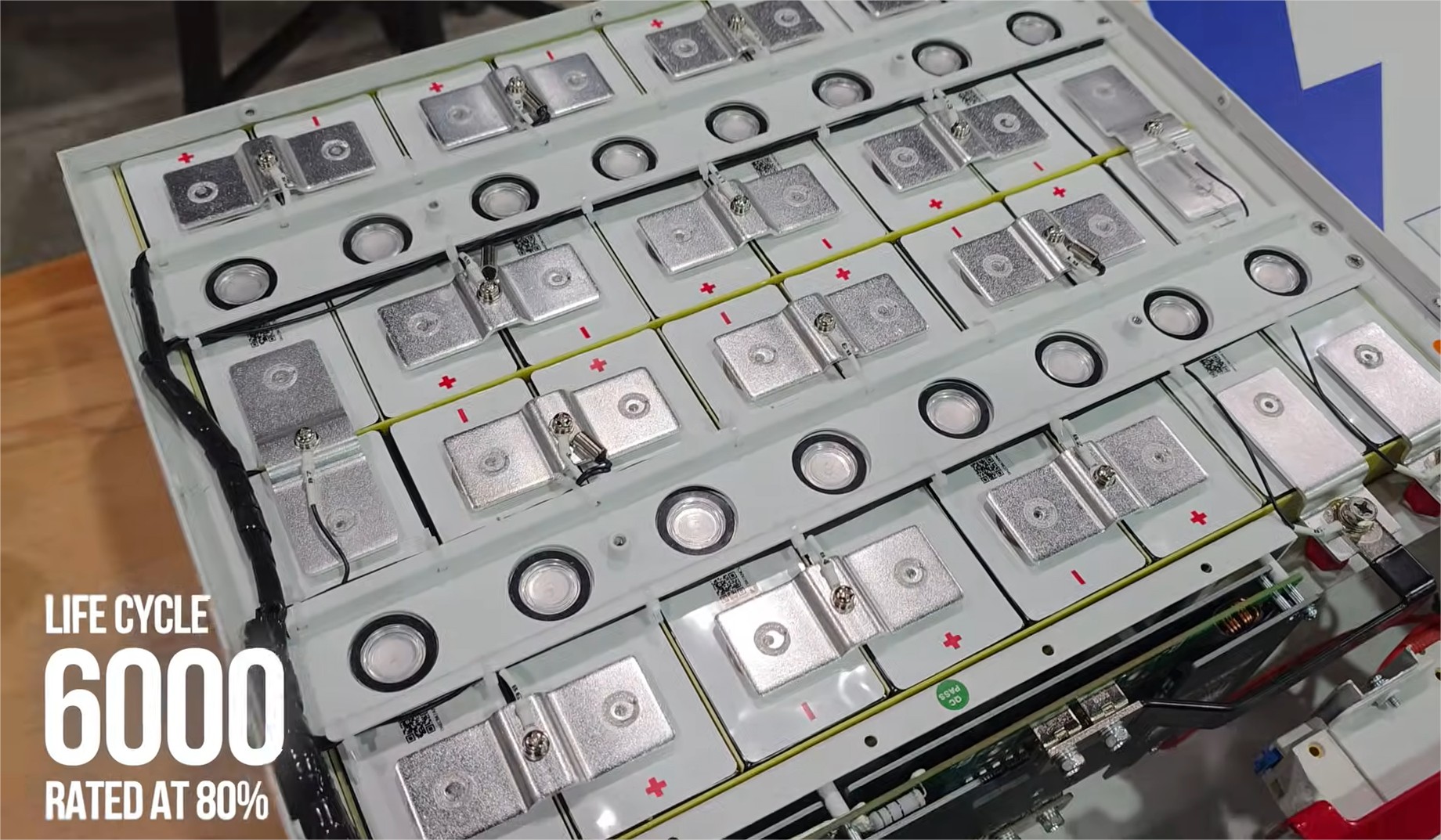
What impressed me was the wire management and bus bar layout. Everything is well-routed, laser-welded, and mechanically secure. Relief clamps are used on battery connections, which helps reduce stress over time—something many budget batteries skip.
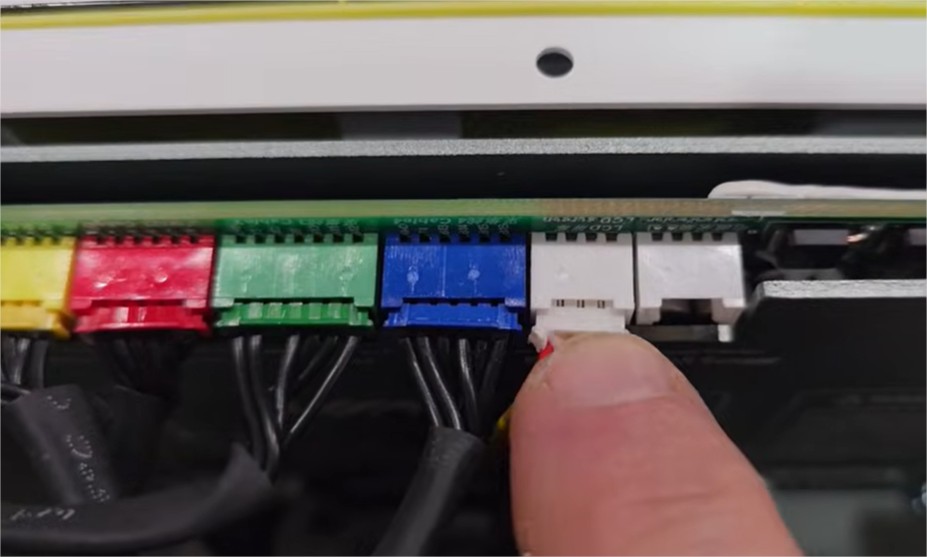
That said, I did notice one concern: not all BMS terminal connections had securing compound applied. While some connections were properly treated, I’d prefer to see torque-marking or compound on every critical fastener, just to eliminate long-term vibration or thermal cycling risks.
Internal highlights:
- 16-cell LiFePO₄ configuration (16S)
- Clean bus bar layout and welds
- Individual cell monitoring leads
- Protective plates fully secured
- Dedicated BMS with direct communication ports
For the price, the internal quality is better than expected.
Capacity Testing and Real-World Performance
Specs on paper are one thing—real-world performance is what really matters. I ran a capacity test under a normal operating load, not an idealized lab scenario. The result? The battery delivered 100.31Ah on a 100Ah-rated system.
That’s a solid pass in my book.

Voltage stability during discharge was consistent, and the battery maintained predictable behavior throughout the test. For anyone building a solar system that relies on accurate capacity planning, this consistency is extremely important.
Capacity test results:
- Rated: 100Ah
- Measured: 100.31Ah
- Stable voltage throughout discharge
From a pure energy delivery standpoint, the WattCycle battery does exactly what it claims.
BMS Stress Test: Impressive Output, Mixed Feelings
This is where things get interesting—and where I need to be completely honest.
I deliberately pushed the battery beyond its rated 100A output to see how the BMS would respond. Under load, the battery exceeded:
- 120A for nearly a minute
- 150A for ~20 seconds

Surprisingly, the battery itself never shut down. Instead, the inverter tripped first after exceeding its own limits at over 7,200 watts.
On one hand, this demonstrates that the battery is extremely robust and capable of delivering serious current. On the other hand, I have concerns. Ideally, the BMS should protect the battery before the inverter reaches overload conditions.
While the system didn’t fail catastrophically, and nothing was damaged, I’d prefer more conservative BMS intervention—especially for long-term cell health and safety.
What I observed during the stress test:
- Battery exceeded rated current without BMS shutdown
- Inverter tripped first due to overload
- No voltage collapse or instability
- Cells remained balanced post-test
This doesn’t automatically make it a bad battery—but it is something advanced users should be aware of.
UL Certifications, Use Cases, and Final Verdict
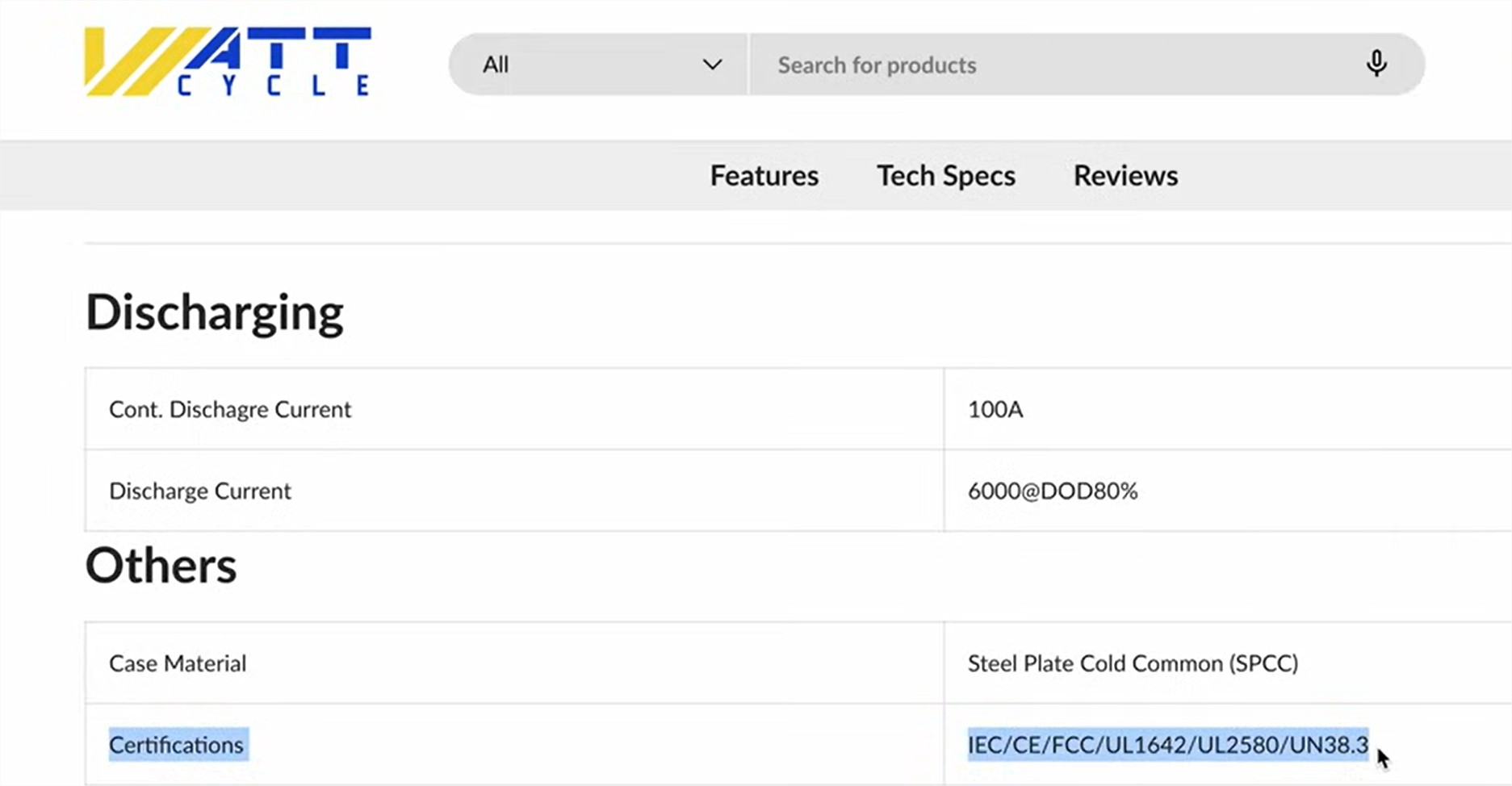
One major advantage of the WattCycle 48V 100Ah battery is its UL Certifications. That matters if you’re planning a grid-tied or permit-inspected installation. However, UL compliance requirements vary by jurisdiction, so it’s always wise to confirm compatibility with your local authority before connecting to the grid.

For off-grid systems, cabins, workshops, and DIY ESS builds, this battery offers excellent value. At $699—often less with discounts—it undercuts many competitors while delivering real capacity, inverter compatibility, and a genuinely useful display.
Final thoughts
At this price, the WattCycle battery delivers more than I expected:
- Accurate capacity and solid build quality
- Excellent inverter communication
- Useful front-panel monitoring
- Strong real-world performance
My only reservation is the BMS allowing extended overcurrent output. While it didn’t cause immediate issues in my testing, it’s something WattCycle could improve with firmware or tighter protection thresholds.
That said, if you’re looking for a budget-friendly, UL-certified 48V server rack battery for solar or backup power, the WattCycle 48V 100Ah is absolutely worth considering—especially if you understand its strengths and limitations.
As always, I’m not here to sell you anything. I’m here to test, verify, and share honest results so you can make informed decisions for your solar journey.